
Last updated November 23, 2026
 Whole-home duct cleaning
 Dryer vent cleaning
 Camera inspection
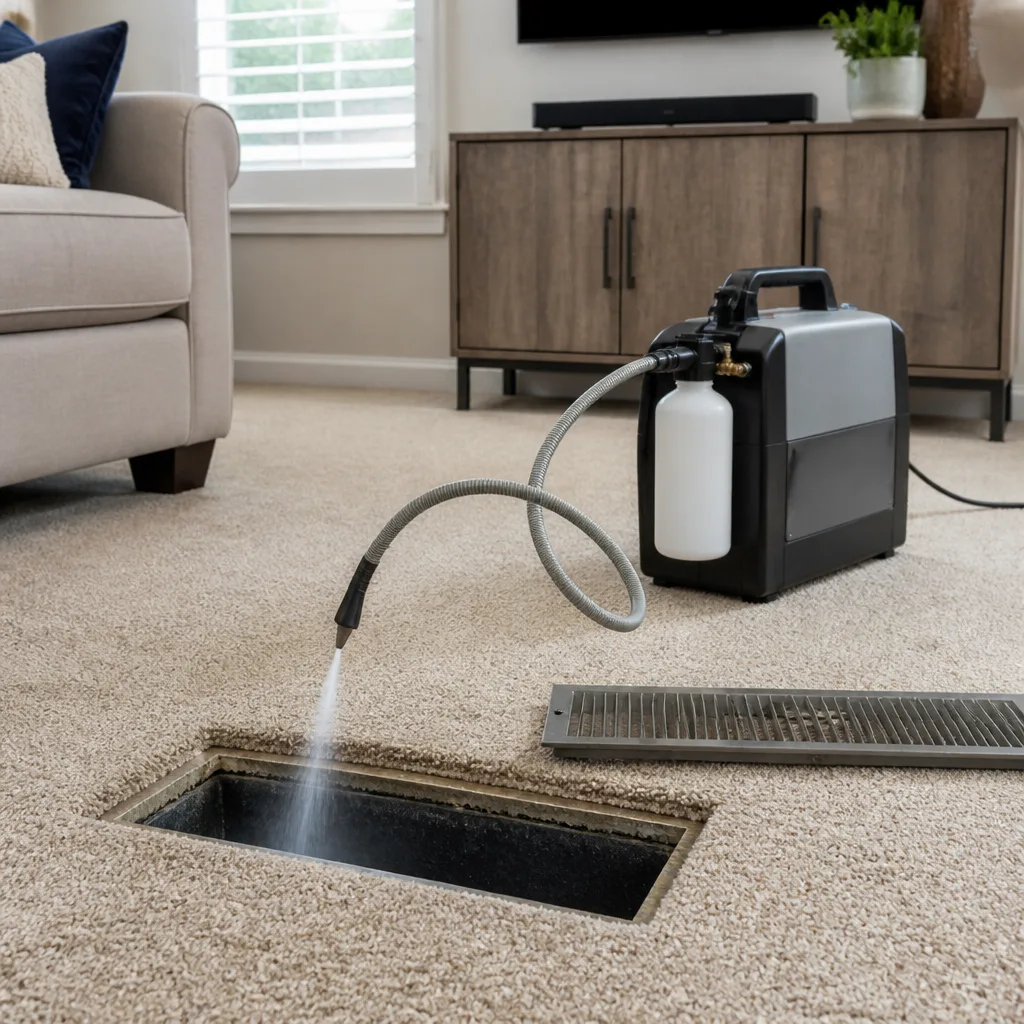 Sanitizing & deodorizing
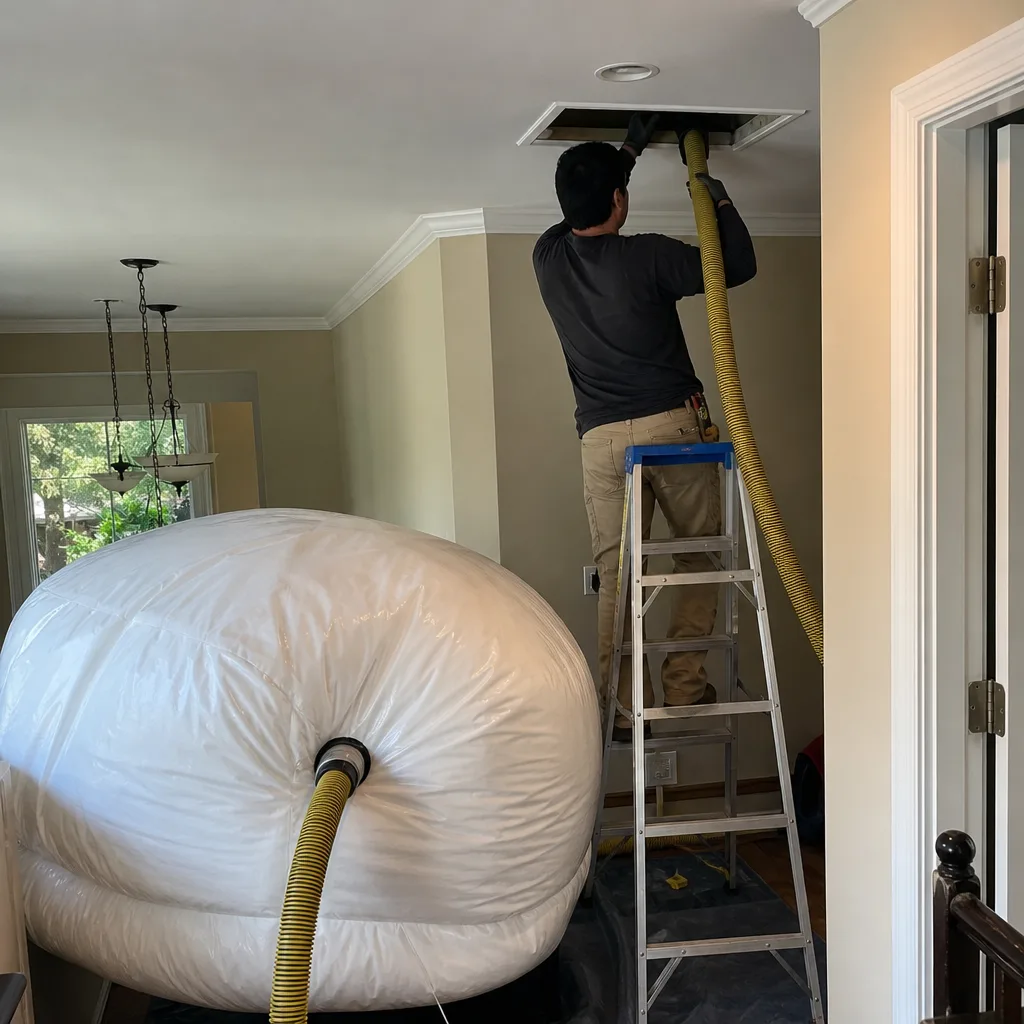
Whole-system duct and dryer vent check with before-and-after photos - you see exactly what came out of your vents
That "$99 whole-house special" is a bait ad - the real number appears once they are in your hallway, or the "clean" is a shop-vac at the register. We photograph the inside of your ducts before and after instead.
Air Duct Cleaning Warning Signs: A Bellevue Homeowner’s Reference Guide
A musty smell when the heat kicks on isn’t “just the dust burning off.” In a Bellevue home that’s been sealed up through a wet fall and a damp, gray winter, that smell is often the first hint of biological growth in the duct lining, and it’s far easier to address before it reaches the air handler coil. The trouble is that most duct problems in Bellevue don’t announce themselves with a bang. They show up as a room that never quite warms up, a faint whistle at a register, or a power bill that creeps up without any rate change. This guide teaches you to read those signals accurately and to tell the difference between contamination you can schedule for and a structural failure worth a call today.
Quick Answer
Air duct cleaning warning signs in Bellevue fall into two categories: contamination symptoms (musty odor, visible debris at the registers, inconsistent airflow room to room) and structural symptoms (whistling at supply vents, pressure imbalance, rooms that won’t reach temperature no matter what the thermostat says). Contamination usually calls for cleaning and sanitizing; structural symptoms usually point to leakage, poor sealing, or damaged flex duct that cleaning alone won’t fix. If you notice a persistent smell plus a rising power bill, that combination is worth a professional look before the problem spreads.
Styles & brands we work with
- Whole-home duct cleaning
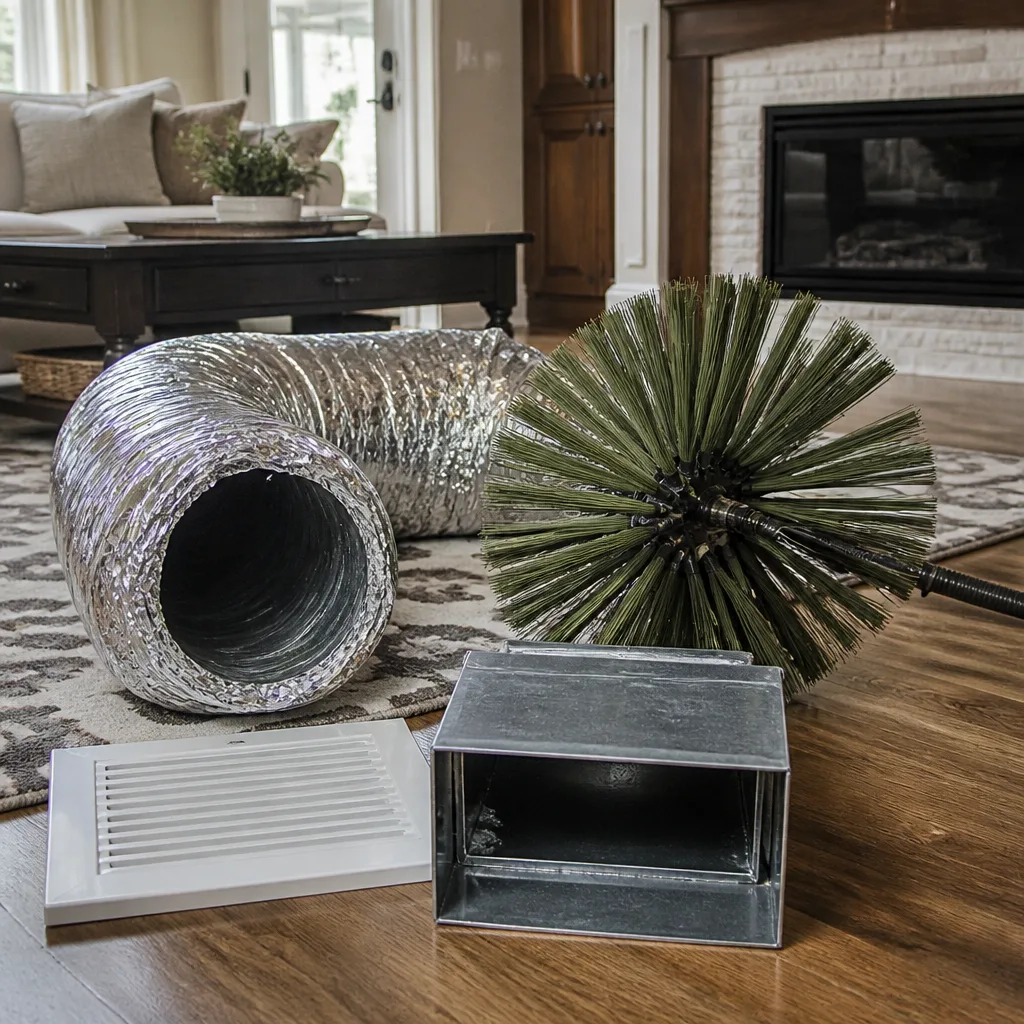
- Dryer vent cleaning
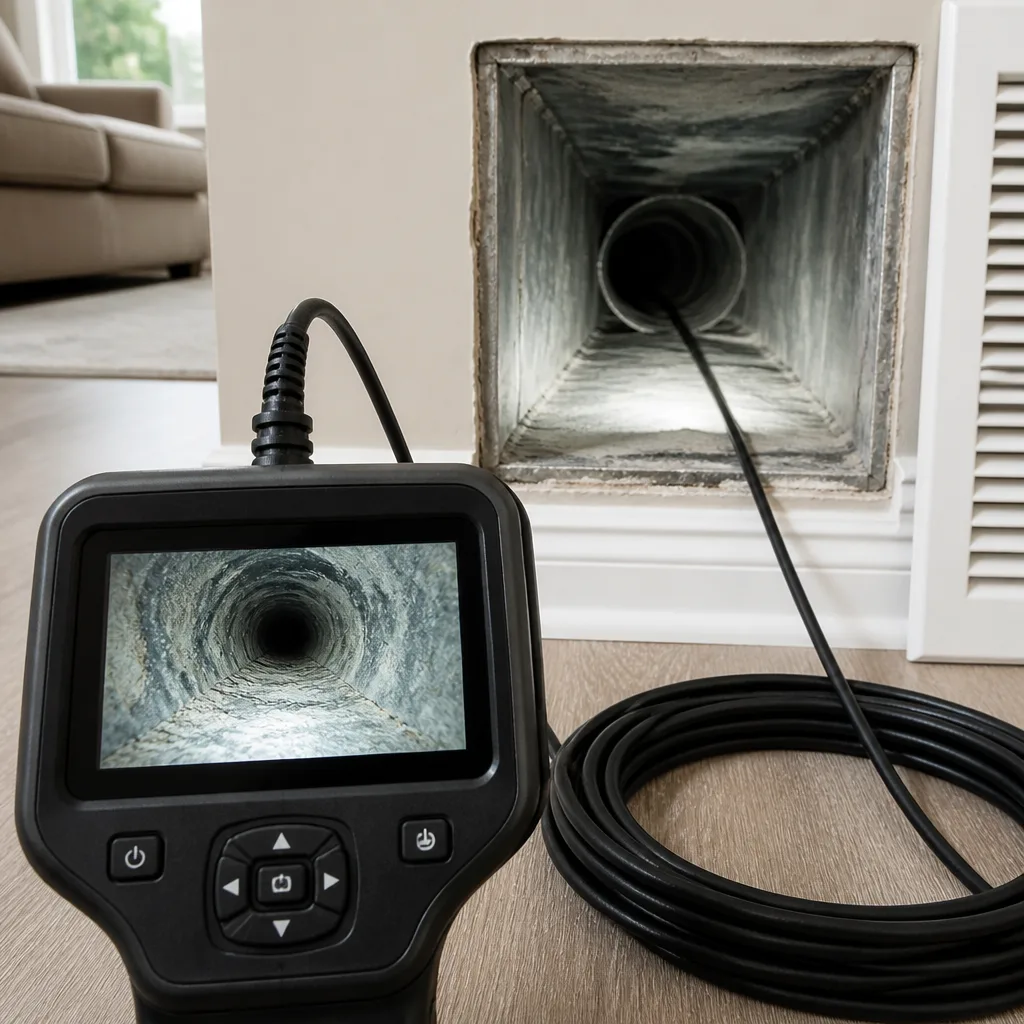
- Camera inspection
- Sanitizing & deodorizing
Table of Contents
- Contamination Symptoms vs. Structural Symptoms
- The Five-Minute Register Inspection
- Rising Utility Bills Without a Rate Change
- Bellevue Climate and Flex-Duct Moisture
- Triage Framework: Monitor vs. Call Today
- The Dryer Vent Signal Homeowners Miss
- Common Mistakes to Avoid
- Frequently Asked Questions
Contamination Symptoms vs. Structural Symptoms
Almost every duct problem in a Bellevue home lands in one of two buckets, and knowing which bucket you’re in changes what you do next. Contamination symptoms come from what’s inside the ductwork: dust, dander, pollen, mold spores, construction debris, or pet hair coating the lining. Structural symptoms come from how the ductwork is built and connected: leaks at seams, crushed or disconnected flex runs, undersized returns, sagging duct that restricts flow. Cleaning fixes the first bucket. Sealing and repair fix the second. A home can have both at once, and that overlap is where many homeowners get stuck with a cheap cleaning that doesn’t actually solve the problem.
Contamination symptoms
- A musty or earthy smell that gets stronger when the system starts up
- Visible dark residue or fuzzy growth near the supply registers
- Dust settling on horizontal surfaces faster than it used to
- A family member whose allergies or asthma flare up indoors but ease when they leave
- Airflow that feels weaker at some registers than others, especially after a renovation
Structural symptoms
- A whistling or hissing sound at a supply register, which usually signals a pressure imbalance or a leak nearby
- A room that won’t reach temperature, particularly in a two-story Bellevue home with a long flex run to the upper floor
- A filter that loads up with dust on one side faster than the other
- Cold air leaking out of a joint in the attic or garage
Once you’ve decided which bucket your symptoms land in, the next step is to look at the registers themselves. That’s the fastest, lowest-effort check a homeowner can do.
The Five-Minute Register Inspection
You don’t need a ladder or a flashlight technique that takes an afternoon. A quick walk around your Bellevue home, checking supply registers and return grilles, tells you more than most people expect. Do it once, in the fall or early spring, and write down what you find so you have a baseline to compare against later.
What to check at the supply registers
- Turn on the system and hold a tissue or a strip of thin paper in front of the register. If it flutters weakly or gets pushed back toward the vent, airflow is low at that point and worth flagging.
- Shine a light into the grille slots. A fine even layer of gray dust is normal; dark, fuzzy, or patchy residue near the opening is a contamination sign.
- Run your finger along the vent’s interior edge. If it comes away with a greasy or damp film, there may be growth in the flexible lining behind the grille.
- Sniff the airflow. A clean, neutral smell is normal. A damp, musty odor that persists longer than a minute after startup is a signal to investigate.
- Look at the ceiling or wall around the vent. Water staining around a register is the one visual sign that most reliably points to moisture intrusion in the duct system or the ceiling cavity above it.
What to check at the return grille
The return pulls air back to the air handler, so it tends to be dirtier than any supply vent. A return that’s visibly caked with dust, or a filter behind it that’s clearly overdue, is a sign the system has been working harder than it should. If the return sits in a hallway in a Bellevue condo or townhome, compare the dust buildup there to what you see at the supplies. A very heavy return and clean supplies is a normal pattern; the reverse usually means a leak somewhere in the return path.
When to bring in a fresh set of eyes? If your check turns up two or more of the symptoms above, it’s worth scheduling. If it turns up only one mild sign, monitor it. And when you do decide to schedule, it’s worth understanding which air duct cleaning service actually matches the symptom you found.
Rising Utility Bills Without a Rate Change
A rising power bill is one of the most overlooked duct warning signs, because homeowners instinctively blame the weather or the utility. Look at the same month against the same month last year. If the rate structure hasn’t changed and the weather has been similar, but your usage has climbed, the system is working harder than it used to. Leaky ducts are one of the most common reasons for that, and in Bellevue’s housing stock, where flexible duct runs through attics and crawl spaces, a loosened connection or a crushed section can waste a meaningful share of the air you pay to condition.
Here’s how to separate a duct issue from an appliance issue:
- Ask one question first: is any single room noticeably harder to heat or cool than the others? Uneven heating points at the distribution system, not the furnace or heat pump.
- Check the filter schedule. If you’re replacing filters at the same interval as before and they’re loading up faster, the ductwork is drawing in more debris, which usually means a leak.
- Listen at the air handler. A rumbling or a whooshing sound that wasn’t there last year often means the return path is restricted or the duct is partially disconnected.
- Walk the attic or crawl space, if you can safely access it. Look for sagging flexible duct, a duct visibly disconnected from a boot, or a joint that’s come apart. Never crawl an attic or tight space you’re not comfortable in; that’s a job for a professional.
If a visual inspection in the attic turns up loose joints or sagging runs, HVAC cleaning alone won’t solve it. Sealing and repair come first, then cleaning, or you’ll re-contaminate a freshly cleaned system the first time the system runs. That’s the reasoning behind treating the whole duct ecosystem, rather than one symptom at a time.
Bellevue Climate and Flex-Duct Moisture
Bellevue’s climate is mild, but it’s damp. Long stretches of cool, wet weather mean many homes stay closed up for months, running the heat, without much fresh air moving through. Flexible duct in an unconditioned attic stays cold through the winter, and warm moist interior air can condense where the flex meets a warm supply boot. That condensation point is where biological growth starts. It’s a quiet, gradual problem, which is exactly why it’s easy to normalize.
These are the signs that show up specifically in Bellevue homes with limited winter ventilation:
- A musty smell that’s stronger on damp days and fades when the weather dries out, a pattern that points to moisture-driven growth rather than dust
- Dark spotting on the interior lining of a flex run, best seen by looking just inside the boot at a supply register
- Condensation on the exterior of a flexible duct in the attic during a cold snap
- Allergy-type symptoms that seem to get worse in late fall and early spring, when the weather swings
- A bathroom exhaust fan or kitchen range hood that vents into the attic rather than outside, which adds moisture to the same space the duct runs through
Older homes near Downtown Bellevue and Wilburton, and townhomes built in the last couple of decades, both run into this pattern; the building age matters less than how well the attic and crawl space breathe. If you can’t get into the attic safely, a professional can check the flex runs and drainage points during a regular service visit, and that’s often more useful than another round of cleaning. Contaminated flex duct that shows biological growth is one of the cases where Abatement Technologies-grade sanitizing products are the right tool, not a mild surface cleaner.
Triage Framework: Monitor vs. Call Today
Once you’ve found symptoms, you need a way to sort them. Here’s the framework we use. It’s not a substitute for an inspection, but it helps you decide whether you need to act now or add it to the maintenance list.
Monitor and schedule
- A single room that’s cooler or warmer than the rest of the house
- Mild dust buildup on the register grilles
- A faint odor only at startup, that fades quickly
- A slightly higher power bill with a known weather swing on the same month
- A filter that’s loading a little faster than usual but still catching most of the debris
Call today
- A persistent musty or moldy odor that gets stronger over several days
- Visible water staining around a register or ceiling near one
- A dryer that takes two cycles to dry a load, or a laundry area that feels unusually hot or humid (this is a safety signal, not a comfort one)
- A visible disconnected or crushed duct in the attic
- Airflow that has stopped at one or more registers entirely
The dividing line is simple: if the sign involves moisture, a disconnected duct, or a dryer vent, act now. If it’s a comfort or dust complaint, schedule it. If you’re ever unsure, call and describe what you’re seeing; a dispatcher can help you tell which bucket your symptom fits.
What to have ready when you call
- Which room is affected, and for how long
- Whether the symptom is worse on damp days or after the system starts up
- How old the current filter is, and how often it’s been changed
- Whether the attic is accessible and whether you’ve seen anything there
- Whether anyone in the home has respiratory sensitivities that make the timing more urgent
The Dryer Vent Signal Homeowners Miss
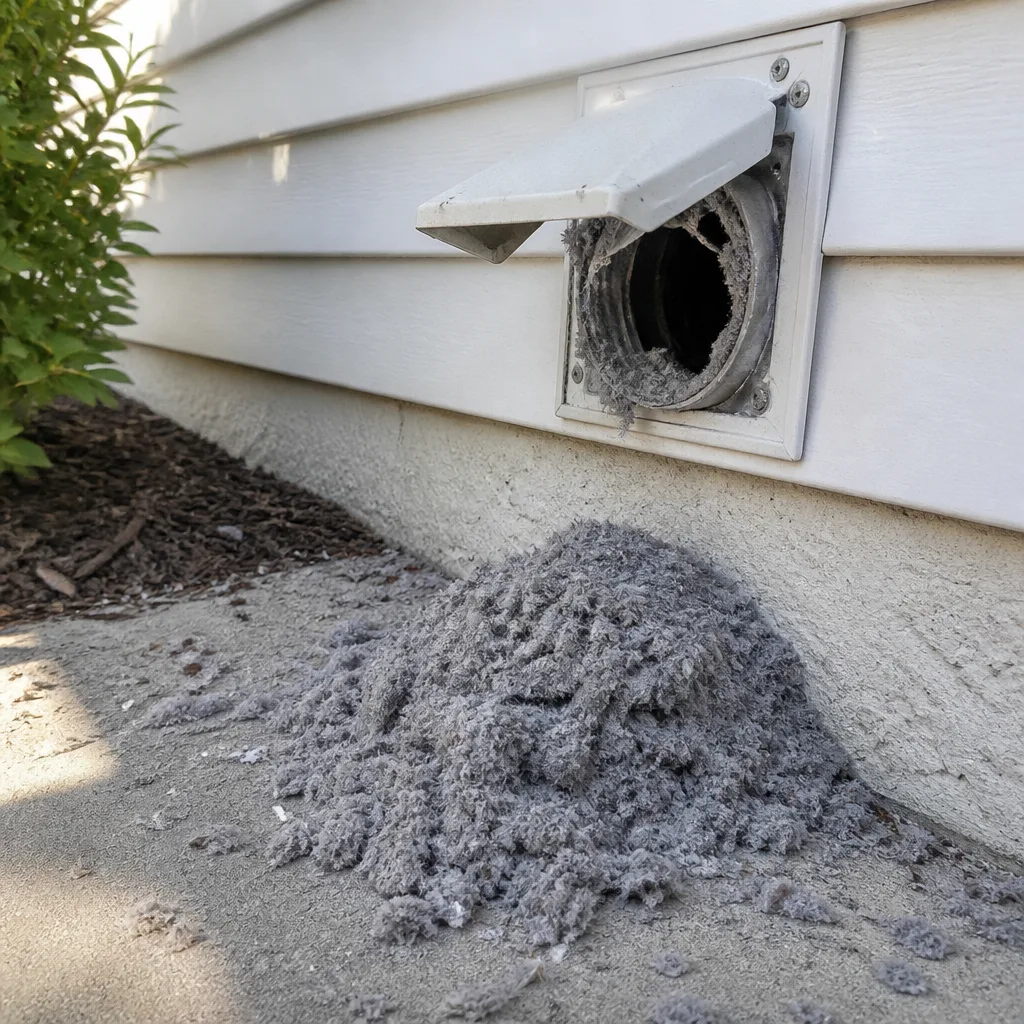
Dryer vents share a category of risk with air ducts: they’re hidden, they’re out of sight, and they collect lint and moisture until a small problem becomes a serious one. The warning signs are subtle at first. A dryer that needs two cycles, a laundry room that stays humid, a load that comes out warm and damp instead of hot and dry, or a lint screen that seems to fill faster than it used to. None of these mean the appliance is failing; the vent behind it is often the culprit. Dryer vent cleaning that reduces fire risk is the safety side of the same discipline that keeps your ducts clean, and it belongs on the same inspection schedule. If you want to understand the process and the timeline, see dryer vent cleaning for the full overview. For a home in Bellevue with a long dryer run through an interior wall, a professional inspection once a year or so is worth the effort. It’s an inexpensive way to reduce the risk of the leading cause of residential dryer fires.
Common Mistakes to Avoid
- Assuming the smell is dust burning off. Dust burning off fades within a few minutes of startup; musty, earthy odors that persist are a contamination sign and deserve a closer look, especially in a Bellevue home that’s been closed up through a damp fall.
- Booking a cheap cleaning without inspecting the ducts. A discount coupon for a per-vent cleaning can look attractive, but if the actual problem is a leak or a crushed run, cleaning without repair just re-contaminates the system. Ask for a written estimate per system, not per vent.
- Replacing the furnace before checking the ducts. If the comfort problem is uneven rooms and rising bills, the distribution system is often the cause, and a new furnace won’t fix a duct leak.
- Ignoring a whistling register. A whistle usually means the system is fighting a pressure imbalance or a leak, and it’s cheaper to diagnose it early than to replace a blower motor later.
- Cleaning the ducts without sealing the leaks first. In a Bellevue home with attic flex runs, a cleaning without an inspection for loose joints is a temporary fix at best.
- Forgetting the dryer vent. Dryer vent lint and moisture are the same class of hidden risk as duct contamination, and they get ignored far more often.
- Skipping a baseline check. If you don’t write down what your registers and filters look like today, you have nothing to compare against when the next season rolls around.
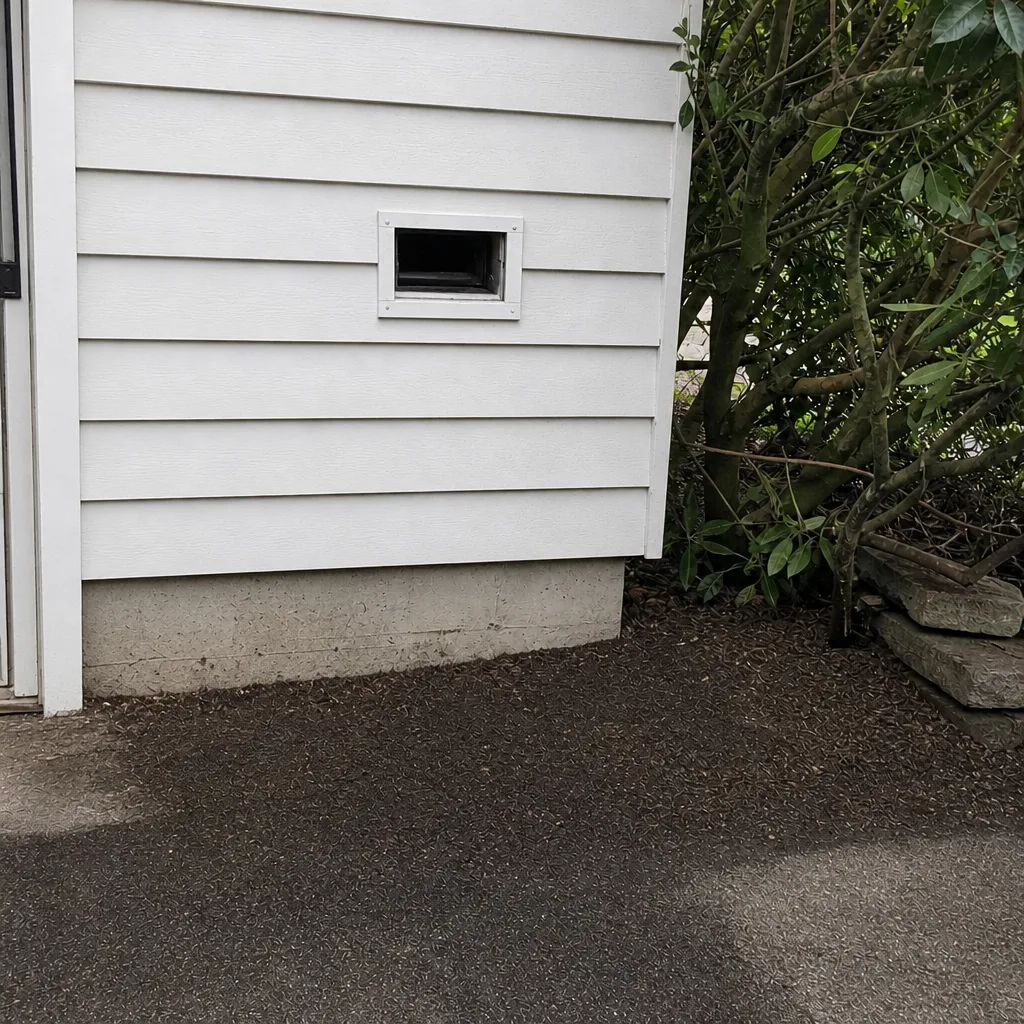
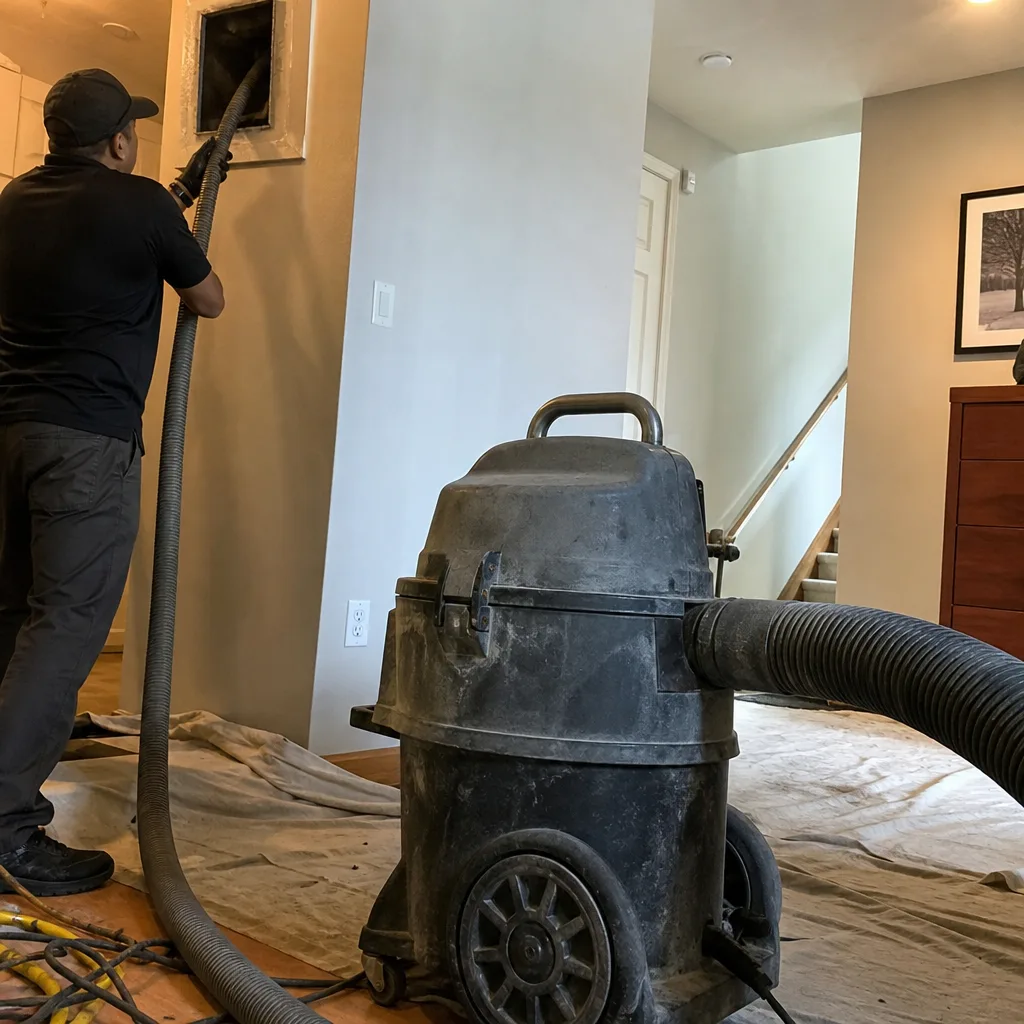
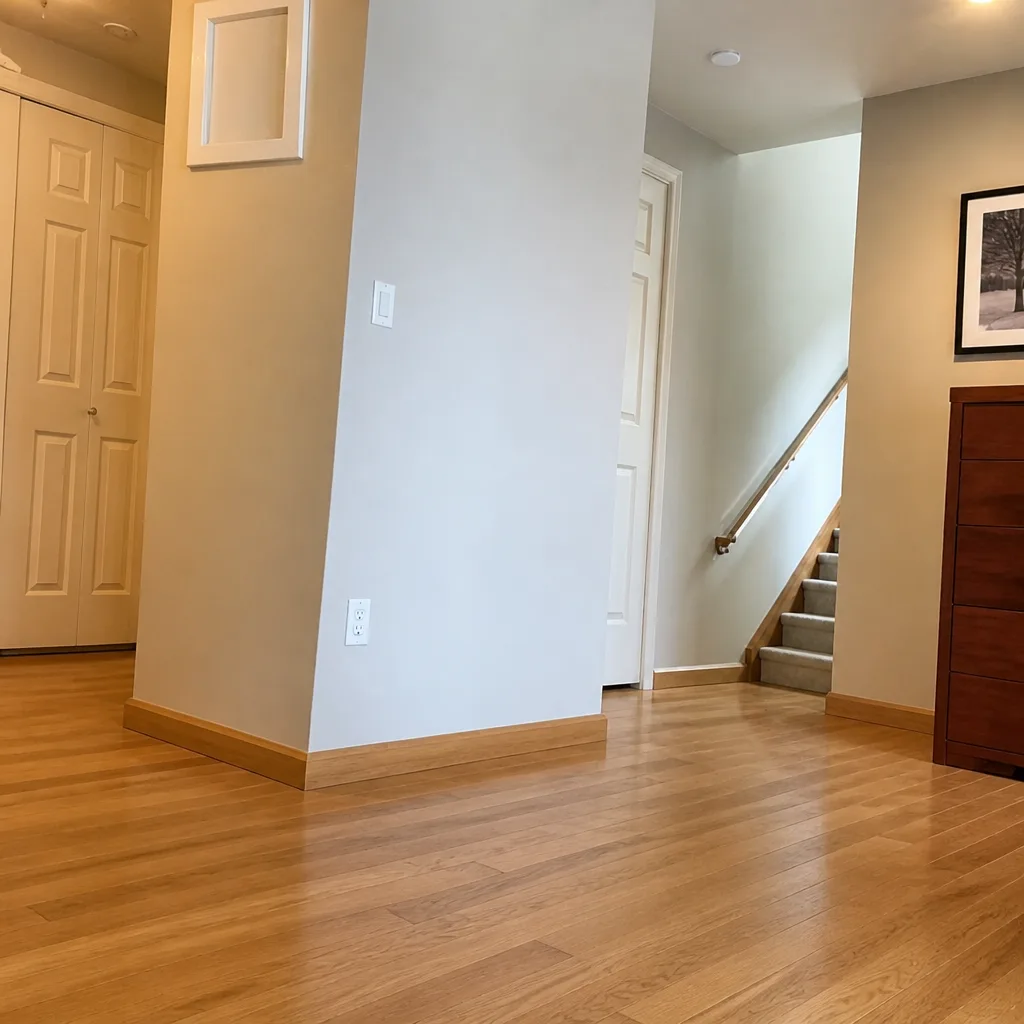
See the difference
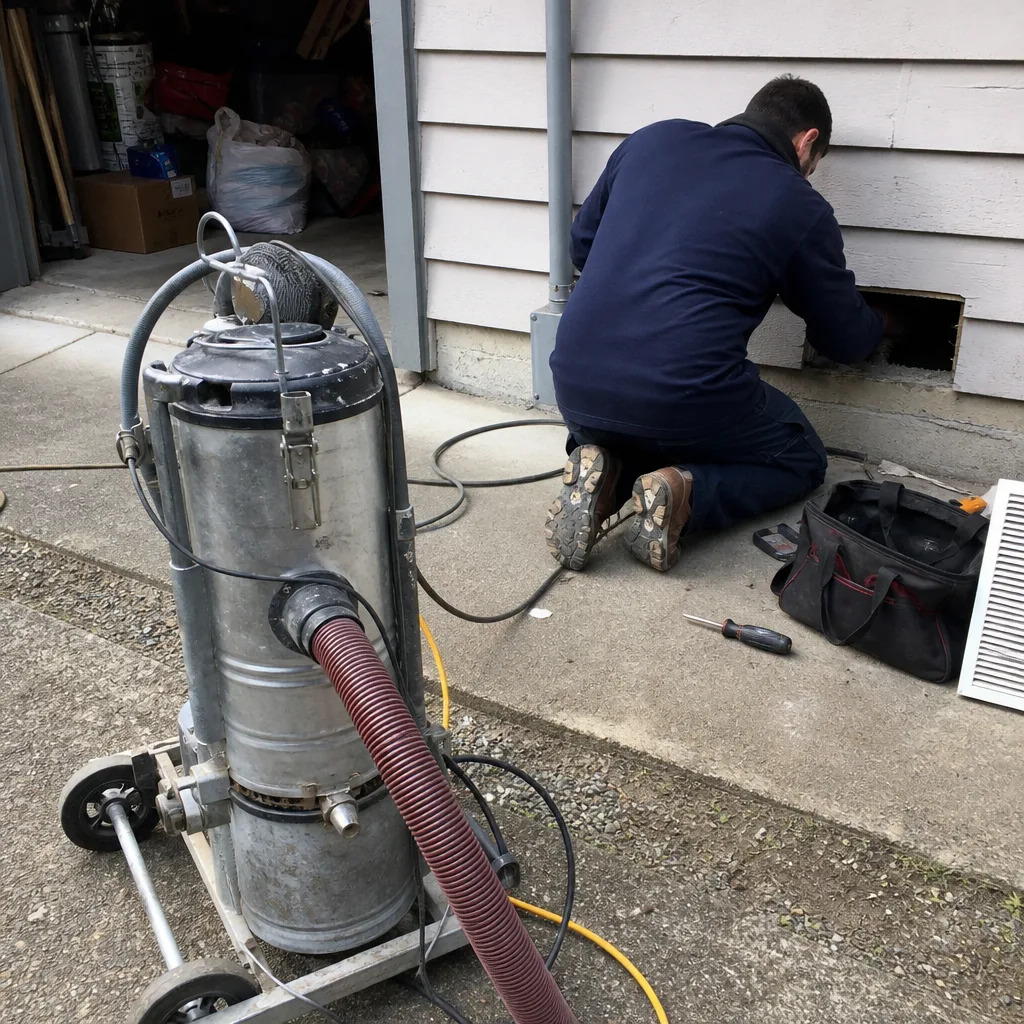 Before
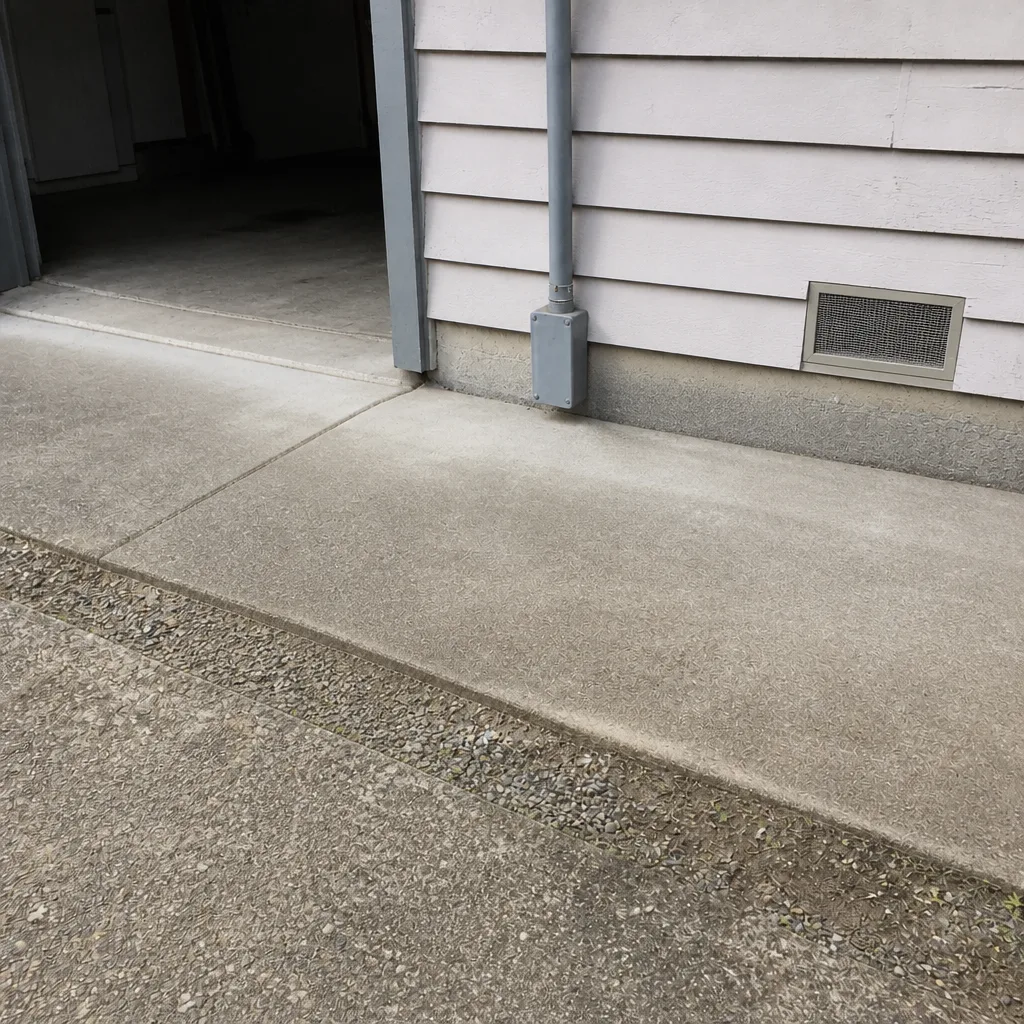 After
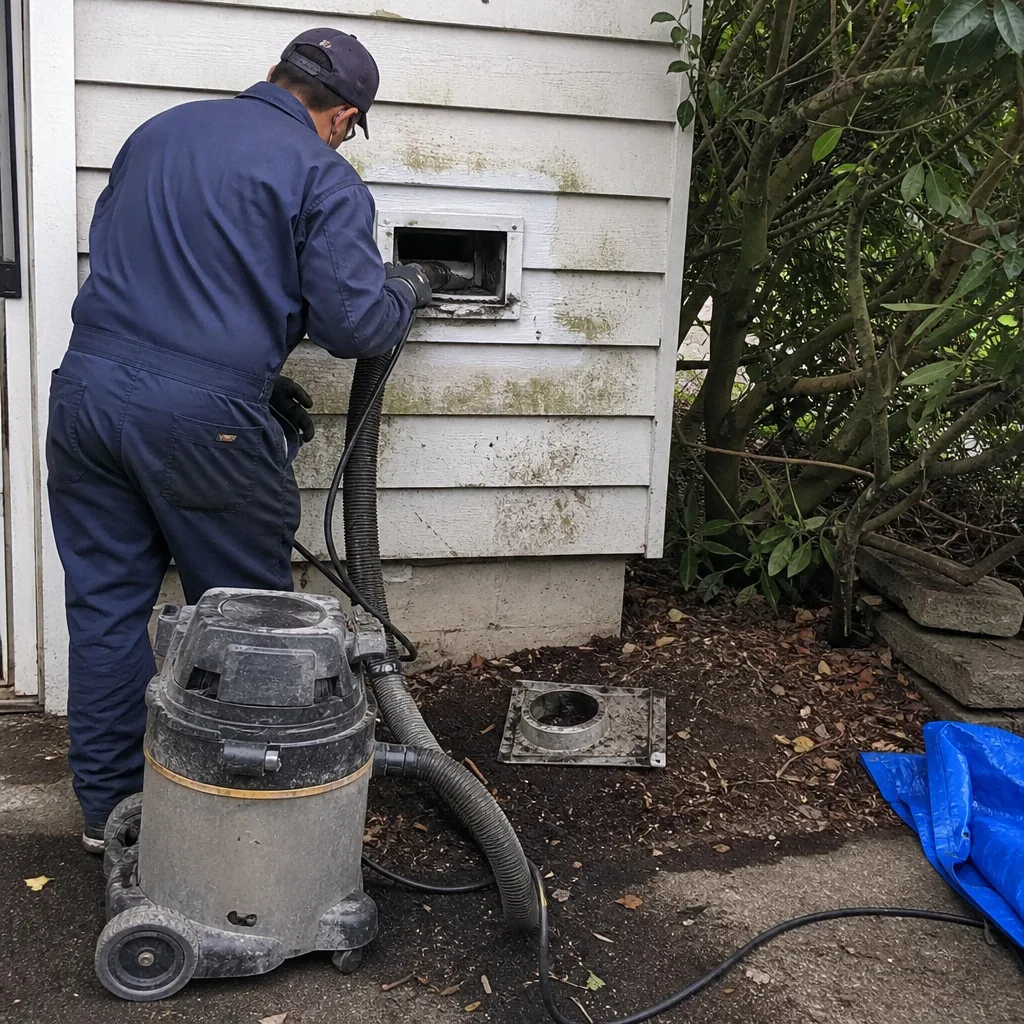 Before
 After
 Before
 After
When to Call a Professional
Call a professional if you’ve found a persistent musty odor, visible water staining near a register, a disconnected or crushed flex duct, airflow that has stopped at one or more vents, or a dryer that’s taking much longer to dry a load than it used to. Also call if the symptoms are ambiguous: your bill is up but the weather was the same, or one room stays cold while the rest of the house is comfortable. And call if you’re not comfortable accessing the attic or crawl space yourself; those spaces are for trained technicians, not homeowners with a flashlight. Bellevue Air Duct Cleaning Pros offers free estimates in Bellevue. Call (855) 337-2032. We answer 24/7. Fast dispatch from 7am to 7pm, Sunday through Friday.
Our technicians have up to 8 years of experience with professional-grade Rotobrush and Nikro equipment, and we work with Honeywell, Aprilaire, Abatement Technologies, and Guardsman product lines. The local pro is licensed and insured as their state requires. One flat price per system, agreed before work starts, with before-and-after photos of your own ducts.
Frequently Asked Questions
You need cleaning if you see visible dark residue at the registers, smell a musty odor when the system starts up, notice dust settling faster than before, or have a family member whose allergies flare up indoors. In Bellevue, the damp climate makes the musty-odor sign more reliable than in drier regions.
Not always, but it’s the sign most worth investigating. A musty smell that persists longer than a minute after startup and gets stronger on damp days is consistent with growth in the duct lining; only an inspection can confirm what’s happening. Call (855) 337-2032 for an exact quote, and the estimate is free.
Leaky or disconnected ducts are a common cause of rising bills without a rate change, because the system is conditioning air that never reaches the rooms. Uneven heating is the giveaway: if one room is harder to heat or cool than the others, focus on the ducts first. Call (855) 337-2032 for a free estimate.
Most homes do well with a professional inspection every few years, and more often if there’s a pet, recent renovation, or anyone with respiratory sensitivities. Homes with limited winter ventilation benefit from an inspection on the sooner side. Call (855) 337-2032 for an exact quote, and the estimate is free.
Cheap quotes are usually per-vent pricing with a portable vacuum, which doesn’t address the actual duct ecosystem. A professional-grade Rotobrush and Nikro HEPA setup, with sealing and repair as a standalone step, costs more upfront because it addresses the cause rather than the symptom. Call (855) 337-2032 for an exact quote, and the estimate is free.
Ask for before-and-after photos of your own ducts and an itemized written estimate per system. A professional-grade job leaves a clean duct interior behind the register and a documented before-and-after, and it’s fine to ask for the photos before you pay. Call (855) 337-2032 for an exact quote, and the estimate is free.
The Bottom Line
The warning signs of a duct problem in Bellevue are quiet by design. They show up as a musty smell on a damp morning, a register that whistles, a room that never quite gets comfortable, or a bill that climbs without a rate change. The two categories, contamination and structural, tell you what to do next: cleaning and sanitizing for the first, sealing and repair for the second. Do a five-minute register check once a season, write down what you find, and call a professional when moisture, a disconnected duct, or a dryer vent is involved. That’s the whole framework. It’s simple, it works, and it’s what keeps a home in the Pacific Northwest comfortable through the wet months.
Contact
If any of the signs above sound like your home, don’t wait for the smell to get worse. Bellevue Air Duct Cleaning Pros handles the full duct ecosystem, including dryer vent cleaning and Bellevue Air Duct Cleaning Pros, with one flat price per system, agreed before work starts. Call (855) 337-2032 for a free estimate. We answer 24/7. Fast dispatch from 7am to 7pm, Sunday through Friday.
Written by the team at Bellevue Air Duct Cleaning Pros.