
Last updated November 23, 2026
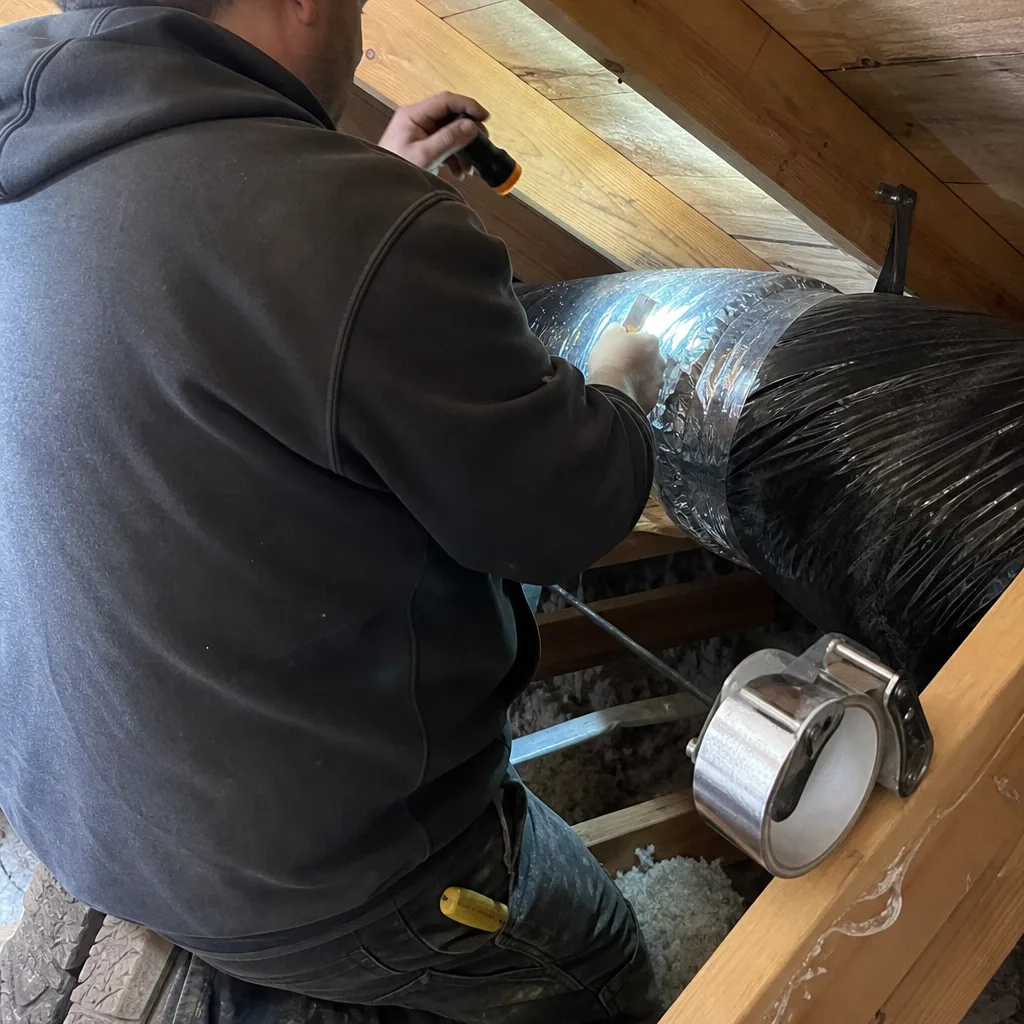
 Whole-home duct cleaning
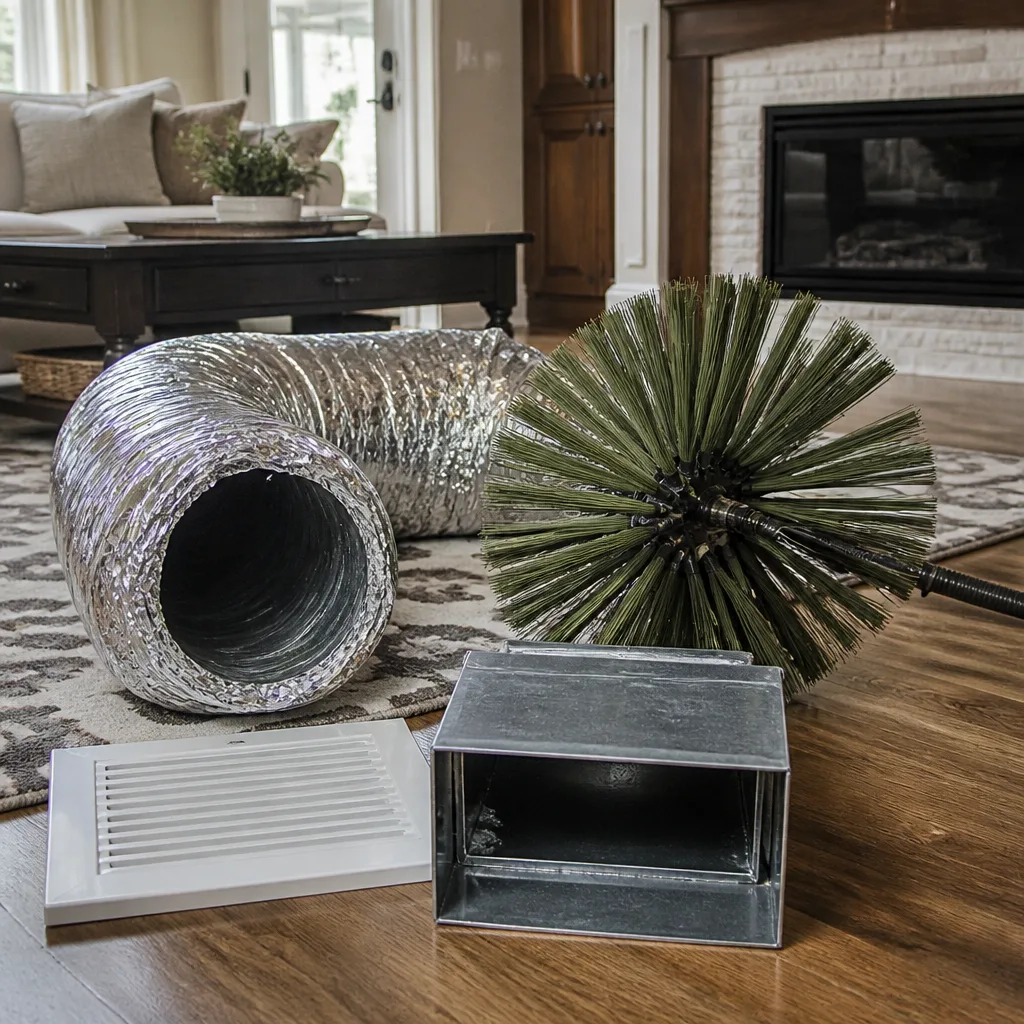
 Dryer vent cleaning
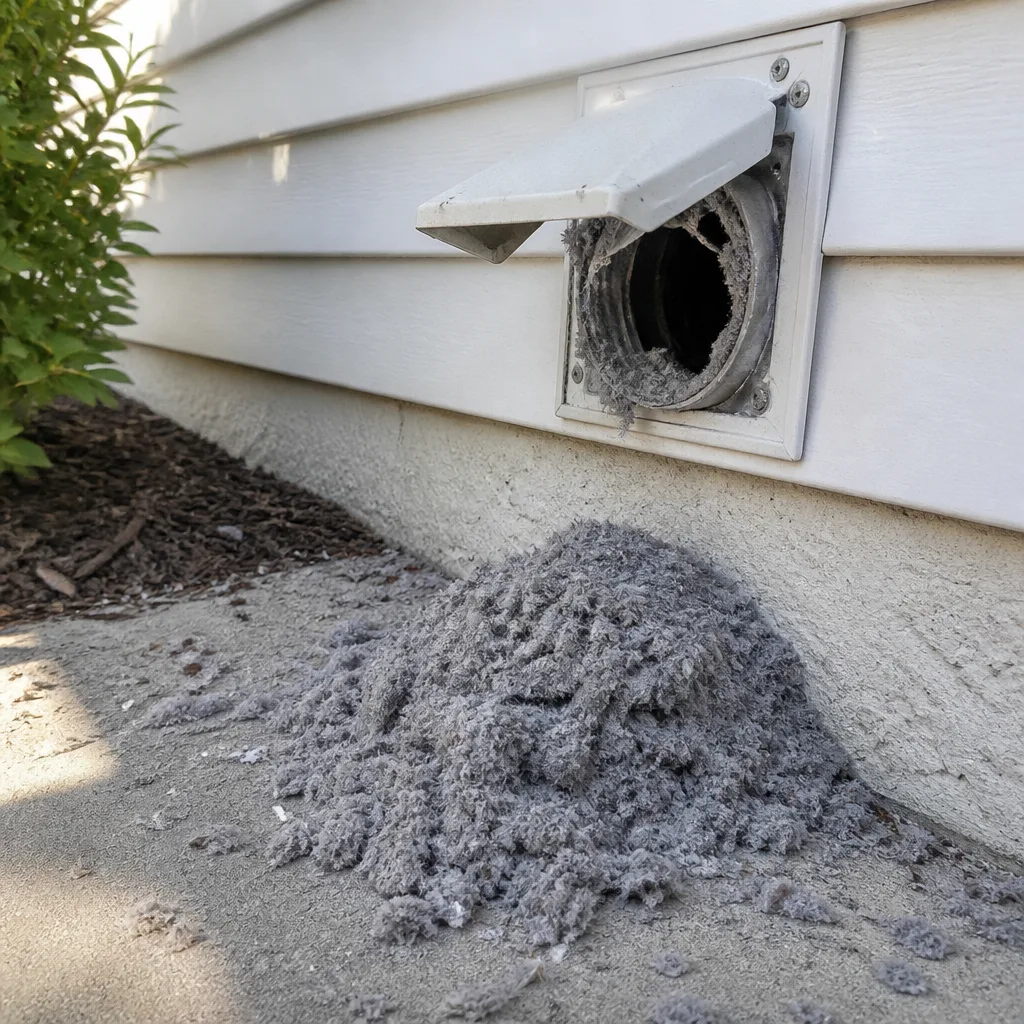
 Camera inspection
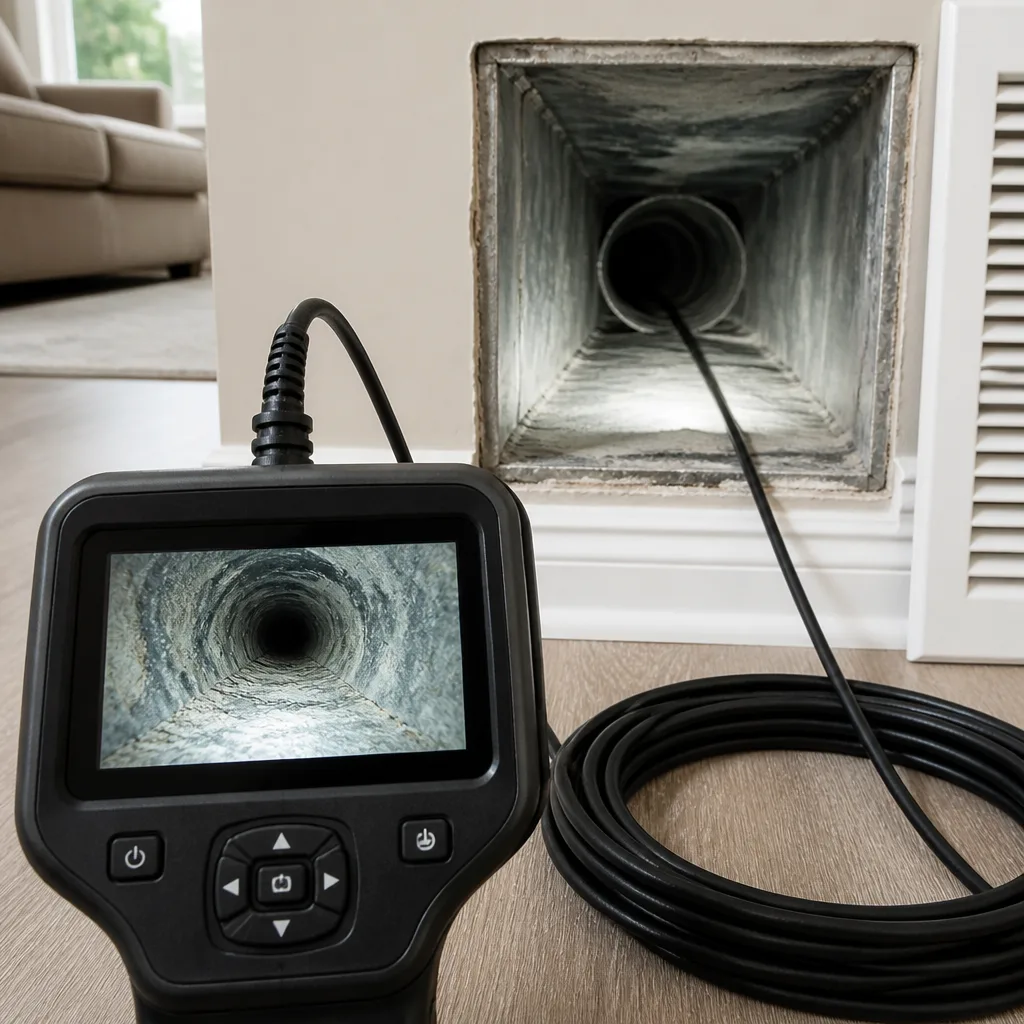
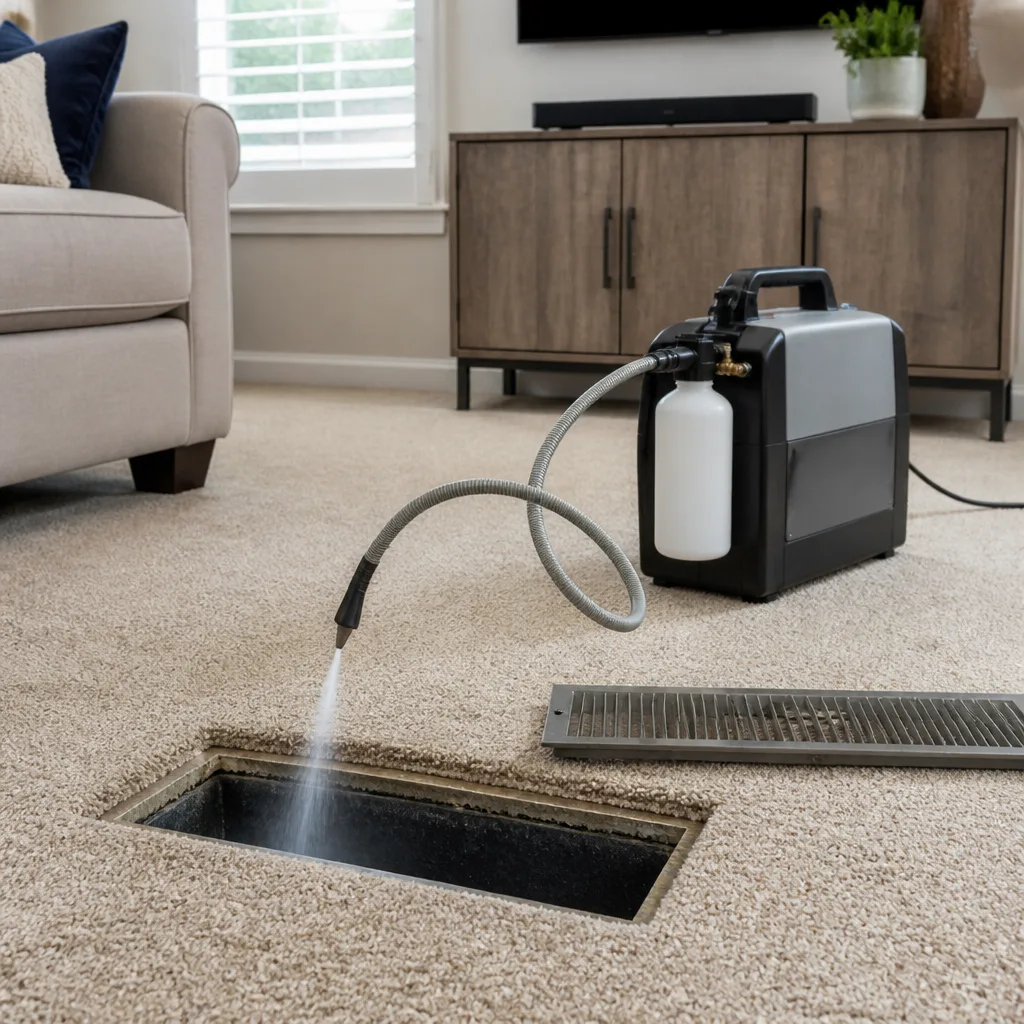 Sanitizing & deodorizing
Whole-system duct and dryer vent check with before-and-after photos - you see exactly what came out of your vents
That "$99 whole-house special" is a bait ad - the real number appears once they are in your hallway, or the "clean" is a shop-vac at the register. We photograph the inside of your ducts before and after instead.
How to Hire an Air Duct Cleaning Contractor in Bellevue: A Step-by-Step Guide
A $99 whole-house duct cleaning offer isn’t a deal. It’s a loss-leader that funds upsell pressure once the technician is already inside your HVAC system, working with equipment that can’t reach most of the contamination it claims to remove. The residential duct cleaning trade has one of the widest gaps between what a quote promises and what a crew can physically deliver, and no amount of good intentions on the homeowner’s side closes that gap. What closes it is screening the contractor before anyone pulls into your driveway. In this guide we’ll walk through the credentials worth verifying, the equipment questions that separate specialists from coupon-mailer operators, how to read a quote line by line, and how to close out a job with documentation you can actually use. Bellevue homeowners have real leverage here, and this is how to use it.
Quick Answer
To hire an air duct cleaning contractor in Bellevue, verify three things before booking: current Washington contractor registration through the state’s online lookup, active liability insurance via a certificate of insurance, and documented membership in NADCA or a comparable industry body. Then ask how they’ll clean your system, what equipment they use, and what the written quote includes down to the vent count. A legitimate contractor answers all of it without hesitation and puts the scope in writing before work begins.
Styles & brands we work with
- Whole-home duct cleaning
- Dryer vent cleaning
- Camera inspection
- Sanitizing & deodorizing
Table of Contents
- Why Duct Cleaning Needs More Screening Than Other Home Services
- The Three Credentials That Actually Matter
- Equipment Questions to Ask Before You Book
- How to Read a Duct Cleaning Quote
- What a Legitimate Pre-Job Walkthrough Looks Like
- Bellevue-Specific Factors That Affect the Job
- Payment Structure and Post-Job Documentation
- When to Call a Professional
Why Duct Cleaning Needs More Screening Than Other Home Services
Most home-service trades have a visible outcome. A plumber fixes a leak and the leak stops. An electrician installs an outlet and the outlet works. Duct cleaning is different: the finished product sits inside sealed ductwork where you can’t inspect it without a camera, and the problems it addresses (dust accumulation, allergen load, airflow restriction, HVAC efficiency) build slowly and invisibly. That combination of invisible work and invisible results is exactly why the trade attracts operators who do the minimum, pack up, and collect.
The most common pattern works like this. A flyer arrives offering a whole-house cleaning for a price that sounds like less than the technician’s time is worth. The technician arrives with a portable vacuum that produces a fraction of the suction a real negative-pressure system generates, spends twenty minutes poking a hose into a few accessible registers, then spends the next forty minutes walking the homeowner through “problems” found in the system: mold, contamination, failing components, an air quality issue that needs a treatment. The upsells are where the margin lives. The cleaning was never the point.
The structure of the industry isn’t the only problem. The equipment requirements are genuinely technical. A proper job needs a vacuum system powerful enough to hold the entire duct network under negative pressure while a contact-cleaning tool dislodges debris from every surface, and a HEPA filtration stage so the dust exits the system without re-entering your living space. That’s the benchmark professionals work to. Consumer-grade portables don’t meet it.
What separates a specialist from a coupon operator isn’t marketing. It’s the equipment they bring, the credentials they’ll let you verify, and how willing they are to put scope and price in writing before the first hose goes into a register. Bellevue’s housing stock adds another layer: older homes in neighborhoods like West Bellevue and Bridle Trails often have duct systems that have never been properly cleaned, while newer construction in the Spring District and BelRed can carry post-construction debris that needs different handling entirely. Screening matters in both cases.
The Three Credentials That Actually Matter
Three credentials separate legitimate duct cleaning contractors from everyone else: Washington contractor registration, active liability insurance, and NADCA membership or equivalent. Each one is verifiable online in under five minutes, and any contractor who hesitates to provide the information is telling you something important.
1. Washington State Contractor Registration
Anyone performing residential construction-related work in Washington, including duct cleaning and HVAC work, must be registered with the Washington State Department of Labor & Industries. The lookup is public and free. You’ll need the contractor’s business name or registration number, and the result will show whether the registration is current and whether it covers the type of work being quoted. If the registration has lapsed or the contractor can’t provide a number, walk away. This isn’t a bureaucratic detail; it’s how the state tracks who’s allowed to do work in your home.
2. Liability Insurance
Duct cleaning involves a powerful vacuum system connected to your HVAC network, technicians working in tight attic and crawl spaces, and the risk of dislodging a loose joint or damaging a flexible duct connection. If something breaks, you want the contractor’s insurance to cover it, not your homeowner’s policy. Ask for a certificate of insurance showing general liability coverage and make sure the policy is current. The certificate should come from the insurer, not be typed up by the contractor.
3. NADCA Membership or Equivalent Certification
The National Air Duct Cleaners Association (NADCA) is the trade body that sets the standards for assessment, cleaning, and restoration of HVAC systems. NADCA membership, and especially individual certification through NADCA’s Air Systems Cleaning Specialist (ASCS) program, signals that the contractor has chosen to work to a published standard rather than invent their own. There are other legitimate certifications and some regional trade bodies, but NADCA is the one most worth asking about. When a contractor is a member, they can point you to their listing. When they aren’t, they should be honest about it rather than deflect.
Verify all three before a technician comes to your home. It takes ten minutes and saves you the headache of discovering a problem after the fact.
Equipment Questions to Ask Before You Book
The equipment a contractor brings determines whether the job is real or theatrical. Three questions cover the essentials, and the answers tell you whether you’re talking to a specialist or a coupon operator.
Question 1: What kind of vacuum system do you use?
There are two professional approaches. A truck-mounted vacuum is a high-powered unit mounted on a dedicated truck or trailer, connected to the home’s duct system via a large hose, and capable of generating substantial negative pressure throughout the network. A portable negative-pressure HEPA system is a standalone unit, typically on wheels, that connects to the ductwork and uses HEPA filtration to trap what it pulls out. Nikro is a common brand name in that category. Both approaches can do a legitimate job when properly sized. What doesn’t do a legitimate job is a shop vac with a length of hose, and unfortunately that’s what some heavily discounted services are built around.
Question 2: What’s the negative pressure specification?
Negative pressure is what actually pulls debris out of the system rather than just loosening it. Ask what negative pressure the equipment generates and whether it holds the entire system under vacuum during cleaning. A contractor who can’t answer that question is either using equipment that doesn’t produce meaningful negative pressure or hasn’t thought about it. Either answer is a problem.
Question 3: What brush or contact-cleaning system do you use?
Suction alone doesn’t remove adhered debris from duct walls. Contact cleaning requires a rotating brush or air-whipping tool that physically reaches the duct surfaces and dislodges what’s stuck there. Rotobrush is the standard brand name for this type of system and it’s what most serious residential contractors use. Ask whether the contractor uses a contact-cleaning brush system and how it’s sized to different duct types. Flexible ducting and rigid metal ducting take different tools. A single-size brush run through every duct in the house is a red flag.
- Ask about HEPA filtration. If the vacuum exhaust isn’t filtered to HEPA standard, fine dust re-enters your living space during cleaning.
- Ask about containment. Serious crews set up containment at registers to stop dust from escaping into the room.
- Ask about camera inspection. A camera pushed into the ductwork before and after cleaning lets you see what was there and what’s left.
- Ask about post-cleaning sanitizing. This should be optional and offered with a clear explanation of when it’s warranted and when it isn’t.
Equipment isn’t the only thing that matters, but it’s the hardest thing to fake. A contractor who uses professional-grade tools (Rotobrush, Nikro, or their equivalents) demonstrates their commitment to a real result. One who shows up with a portable unit from a hardware store hasn’t.
How to Read a Duct Cleaning Quote
A legitimate duct cleaning quote is a written document with specific line items, a defined scope, and a total price. A vague quote with a low teaser number is a setup for upcharges once the technician is on-site. Here’s how to tell the difference.
What a proper quote includes
- System assessment line. A pre-cleaning inspection, often with camera or visual verification, should be itemized.
- Vent/register count. The number of supply and return registers to be cleaned should be explicit. “Whole house” without a count is vague.
- Cleaning method described. Contact cleaning, negative pressure, and filtration should all appear in the scope.
- Component list. Ductwork, plenum, coil, blower, and accessible components should be listed individually, not lumped into “HVAC system.”
- Post-cleaning verification. Camera inspection or other confirmation that the work was actually completed should be part of the scope.
- Total price. A flat number for the scope, not a range and not a price “starting at.”
- Payment and cancellation terms. Clear terms up front, no surprise fees discovered later.
What vague language signals
- “Starting at $X.” The number will grow. A starting price is a floor, not a quote.
- “Per vent” pricing. Per-vent prices often hide the fact that the “base” covers only a handful of registers and every additional vent adds cost. A flat whole-system price is more honest.
- Missing component list. If the quote doesn’t spell out what’s being cleaned, the crew determines scope on arrival. That’s when upsells appear.
- Verbal quotes. If it isn’t in writing, it isn’t a quote. Insist on paper or PDF.
- “Free” anything beyond an estimate. If a quote includes free sanitizing or a free dryer vent cleaning, that “free” work is priced into the total somewhere.
The cleanest quotes are the shortest. One clear scope, one clear price, one crew responsible for the whole job. For a full picture of what air duct cleaning actually covers in Bellevue, including the components most people overlook, that’s the reference to start from. If the quote you’re reviewing doesn’t match that level of specificity, ask the contractor to reissue it. A good one will.
What a Legitimate Pre-Job Walkthrough Looks Like
The five minutes before any equipment comes off the truck tells you almost everything about the contractor. A legitimate walkthrough is a real system assessment; a bad one is a set of questions designed to find your budget.
What a real walkthrough covers
- Visual inspection of accessible ductwork. The technician should look inside at least a few registers and the air handler area before quoting.
- Return air and supply side checks. Both sides of the system should be examined, not just the supply side.
- Air handler and coil inspection. The blower compartment, evaporator coil, and filter should all be checked, with photos if the technician finds something notable.
- Questions about your concerns. Allergies, recent renovations, musty odors, airflow problems. The answers shape the jack.
- Camera inspection where warranted. If there’s any doubt about what’s inside the ducts, a camera gives you a real picture.
- Written confirmation of scope before work starts. Any changes to the original quote should be documented before anyone begins.
What a bad walkthrough looks like
A technician who skips the system assessment, jumps straight to a promotional price, and then “discovers” problems mid-job is following a script. Common red flags include diagnosing mold without a sample, finding “collapsed ducts” that don’t show up on camera, and offering a same-visit sanitizing treatment with no explanation of what it does. A good contractor explains what they see, puts the scope in writing, and gives you time to decide.
If the pre-job walkthrough is thorough, the job itself usually follows. That’s true for cleaning, and it’s even more true for work that goes beyond routine dust removal. HVAC cleaning includes the components around the ductwork (coil, blower, drain pan) that a duct-only cleaning often leaves untouched. Ask during the walkthrough whether those will be addressed, and whether the answer is in the quote.
Bellevue-Specific Factors That Affect the Job
Bellevue’s housing stock and climate both shape what a duct cleaning job involves. The contractor who understands those factors usually delivers a better result than one who runs the same playbook everywhere.
Climate
Bellevue’s western Washington climate means long damp seasons and short dry summers. Interior humidity climbs in the fall and stays elevated through spring, and that’s the condition under which dust, dust mites, and mold spores thrive inside HVAC systems. Systems that see heavy dust accumulation often carry more moisture-bound contamination here than in drier parts of the country. That’s one reason post-cleaning sanitizing comes up more often in Bellevue than in Phoenix, and it’s a legitimate consideration when the assessment turns up microbial growth. It’s also a reason to ask about HEPA filtration and containment during the job; a wet-climate system has more fine particulate to release.
Housing stock
Bellevue has an unusually wide range of housing types packed into a small geography. Mid-century homes in neighborhoods like Crossroads and Lake Hills often have original ductwork that has gone decades without professional cleaning. Newer construction in the Spring District and BelRed frequently has post-construction debris still sitting in the system, particularly when the homeowner moved in shortly after the building was finished. Condos and townhomes around downtown Bellevue may have shared HVAC infrastructure that requires specific coordination. Each of these situations calls for a different cleaning approach, and a contractor who quotes all of them the same way hasn’t done the assessment.
Air quality
Bellevue sits in a basin where wildfire smoke from late-summer and early-fall fires can settle for days at a time. That smoke carries fine particulate matter that a properly sealed HVAC system with good filtration can help manage indoors. The catch is that the same system has to be clean to do the job; a dust-loaded duct network can’t filter what’s passing through it. For homeowners with respiratory concerns or family members sensitive to smoke, this connects directly to the case for air quality and sanitizing as a follow-on service.
None of this makes Bellevue unusual in the abstract; every city has its own version. But it does mean a local contractor who has seen these conditions is going to make better decisions on-site than one who hasn’t. When you’re vetting, ask what the contractor has seen in homes similar to yours. The answer is more informative than a list of brand names.
Payment Structure and Post-Job Documentation
Getting the payment structure right protects both sides. Getting documentation right afterward protects you if problems turn up in the months following the job.
Payment
- No large deposit. A reasonable deposit for materials or equipment mobilization is normal; a demand for full payment up front is not.
- Pay after the work is done. Final payment should follow the completed job and your inspection, not the technician’s arrival.
- Written invoice matching the written quote. If the final invoice is higher than the quoted scope, ask why and get the difference in writing.
- Credit card is normal. Card payment gives you a dispute mechanism if the job isn’t completed as quoted. A cash-only contractor is asking you to give that up.
- No pressure at the door. If a technician offers a discount for immediate payment before departure, that’s a sign the price wasn’t real.
Post-job documentation to request
- Before-and-after photos. Ask for photos of the ductwork before and after cleaning, and confirm they’re from your system rather than a stock library.
- Written completion report. A one-page report stating what was cleaned, what was sanitized, and what (if anything) was found to be damaged or in need of repair.
- Camera footage where applicable. If a camera inspection was part of the scope, ask for the after-cleaning footage so you can confirm it was completed.
- Filter recommendations in writing. If the contractor suggests a specific filter or air-quality product (Honeywell and Aprilaire are common name brands), the recommendation should come with a model number and a clear reason, not a hard sell.
- Warranty or guarantee terms. Any warranty or satisfaction guarantee should be in the paperwork, not just spoken.
Duct repair is the piece most cleaning-only contractors skip, and it’s often the reason a cleaned system re-contaminates within a year. Sealed ductwork holds the clean condition; leaking ductwork invites debris back in. If the completion report or camera footage shows gaps, disconnected joints, or collapsed flexible runs, ask about duct repair and sealing before those problems set in completely. That’s the full arc: clean, sealed, and sanitized. Cleaning without the other two leaves the job unfinished.
For a full spectrum of services handled by one crew in one visit, that integration matters. Splitting the work across multiple contractors means the contractor who seals a duct gets blamed by the contractor who cleaned it when a problem shows up. One crew means one responsible party, and that’s worth asking about during screening.
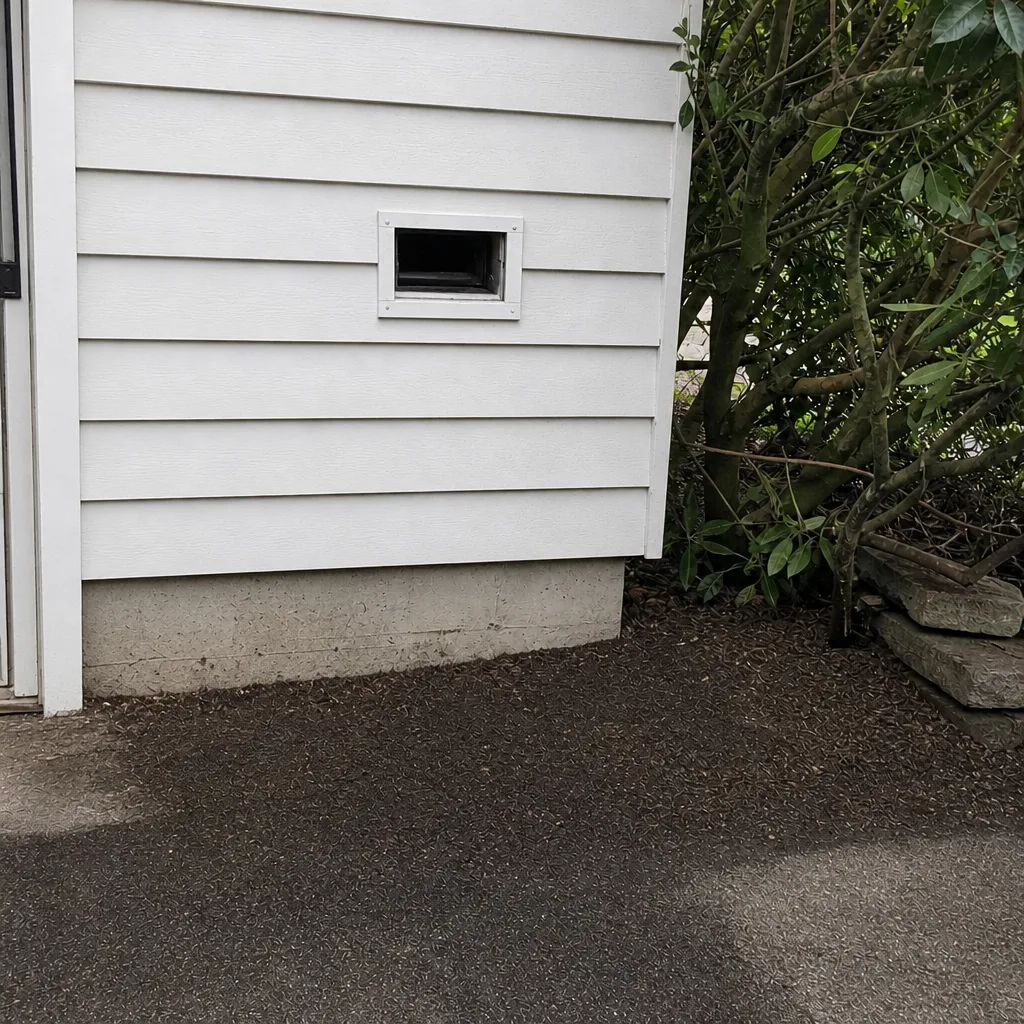
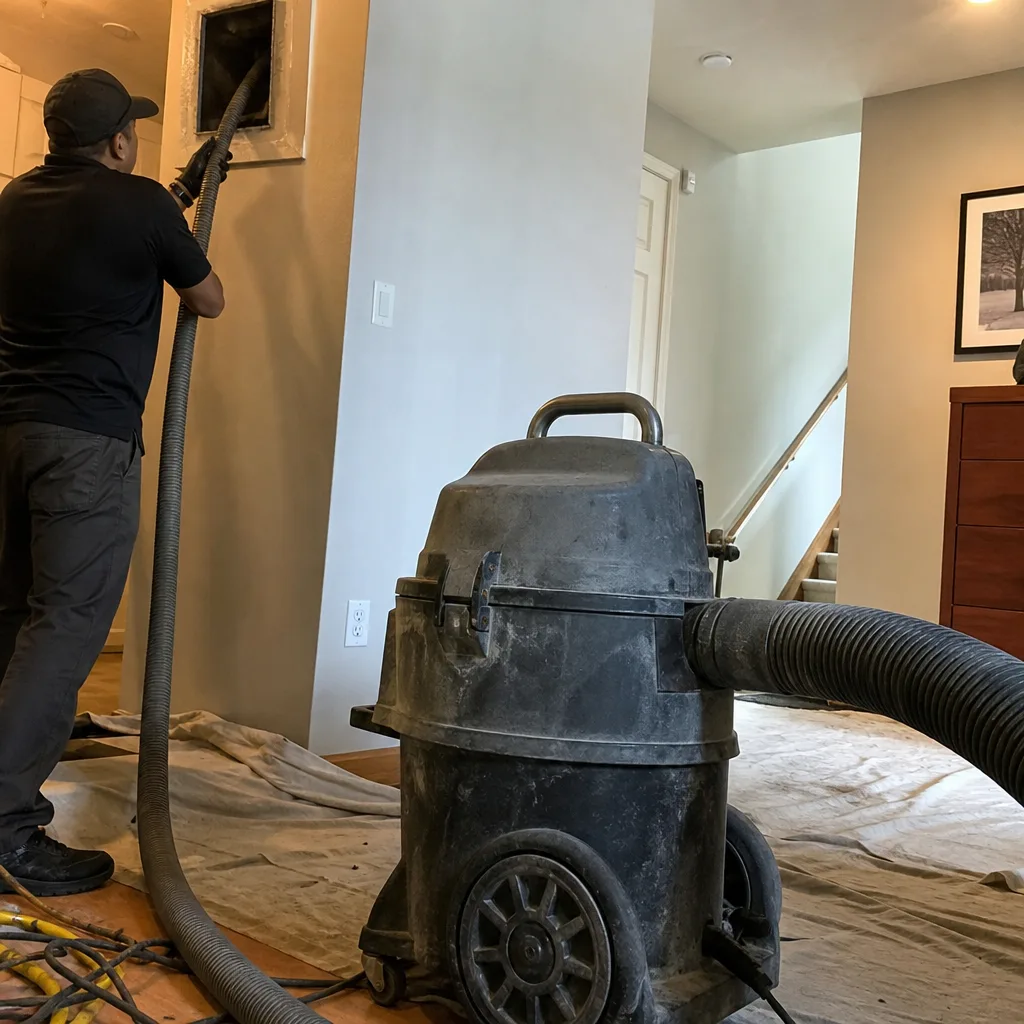
See the difference
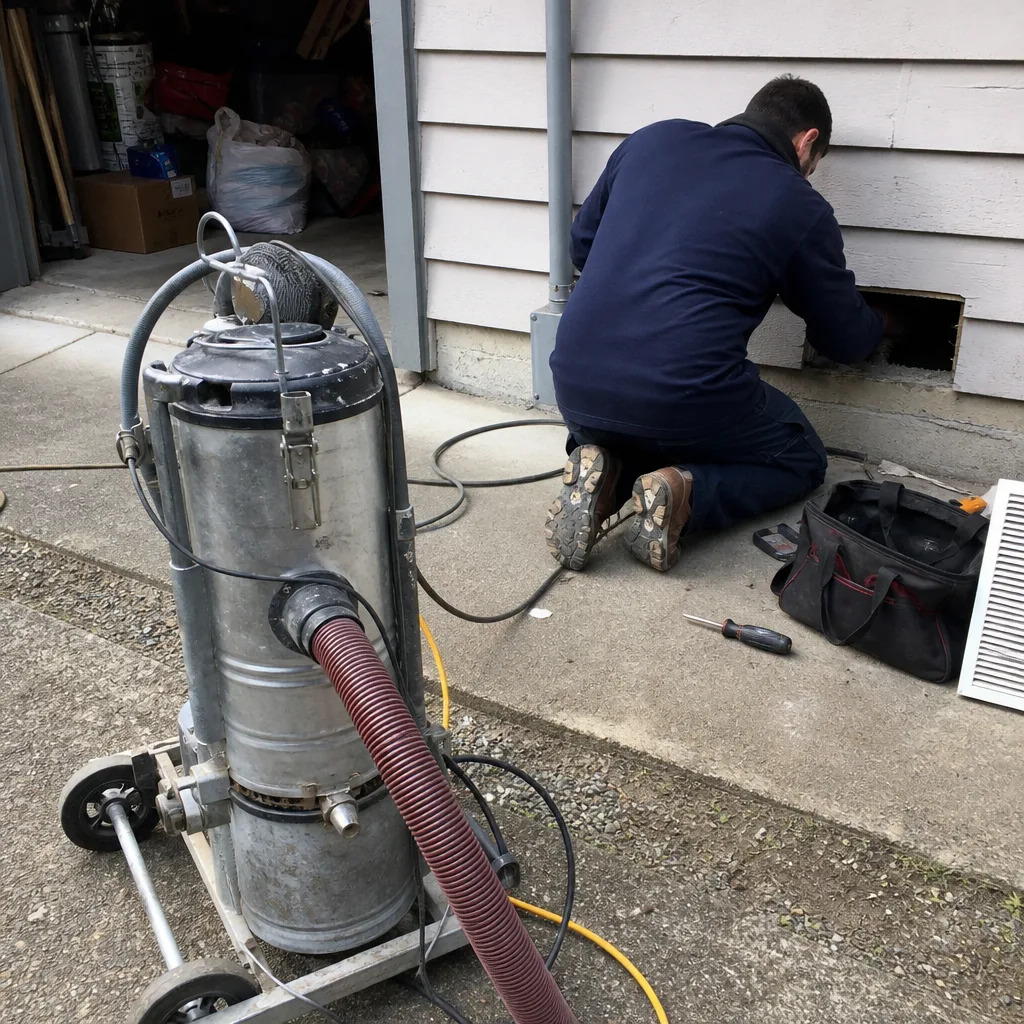 Before
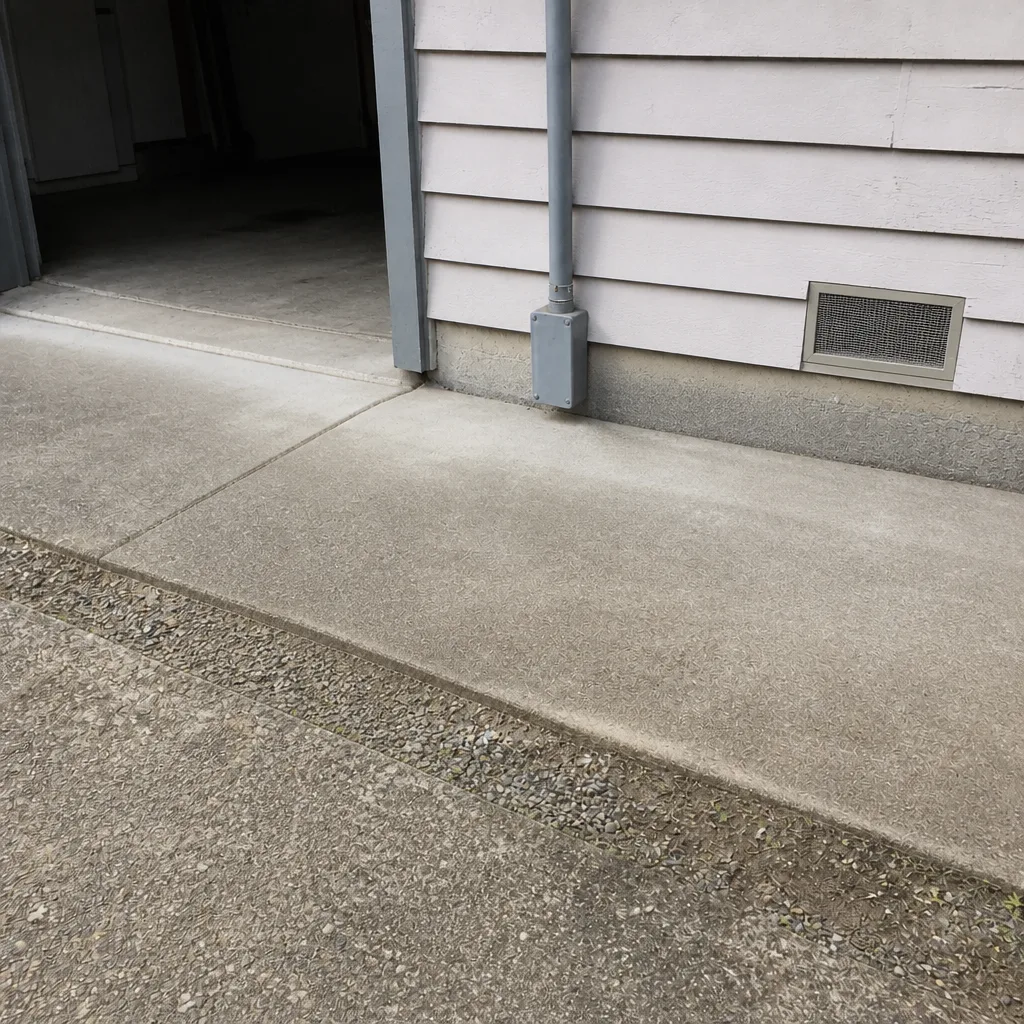 After
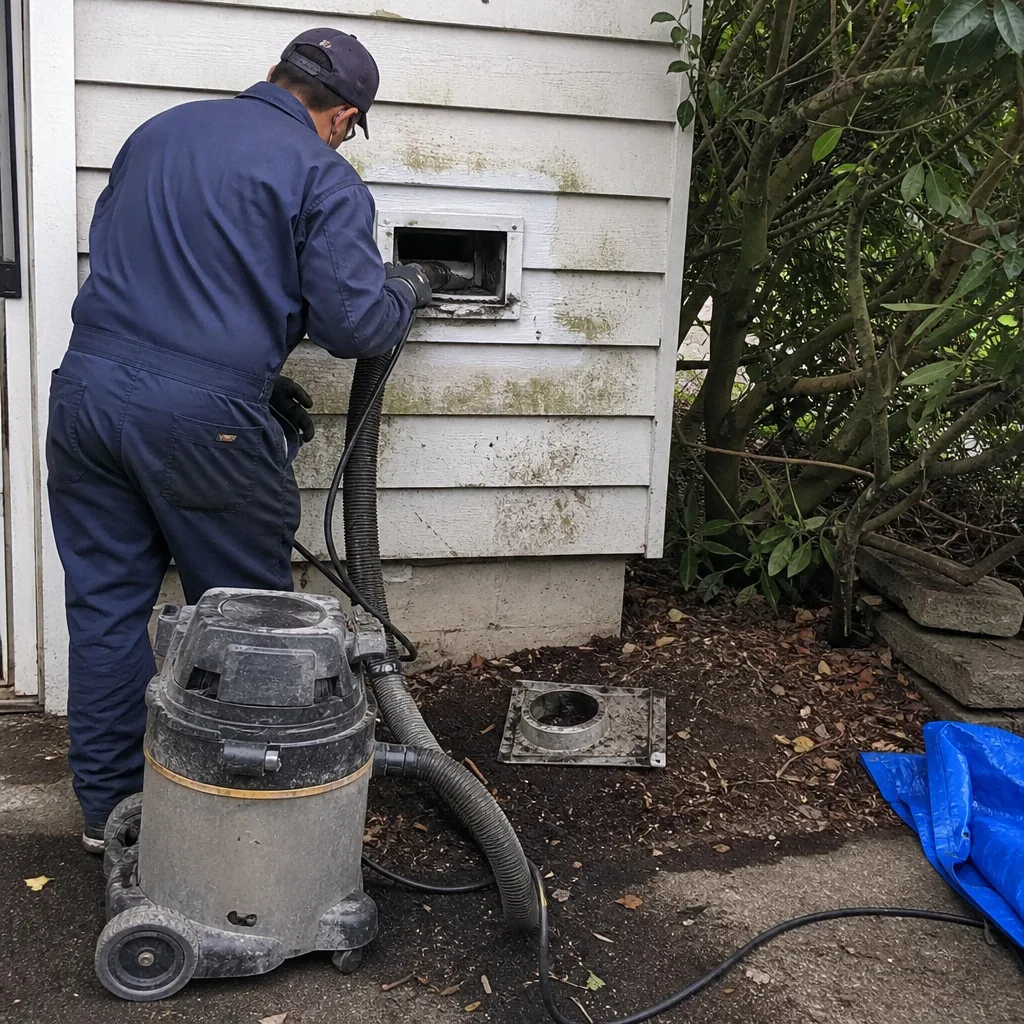 Before
 After
 Before
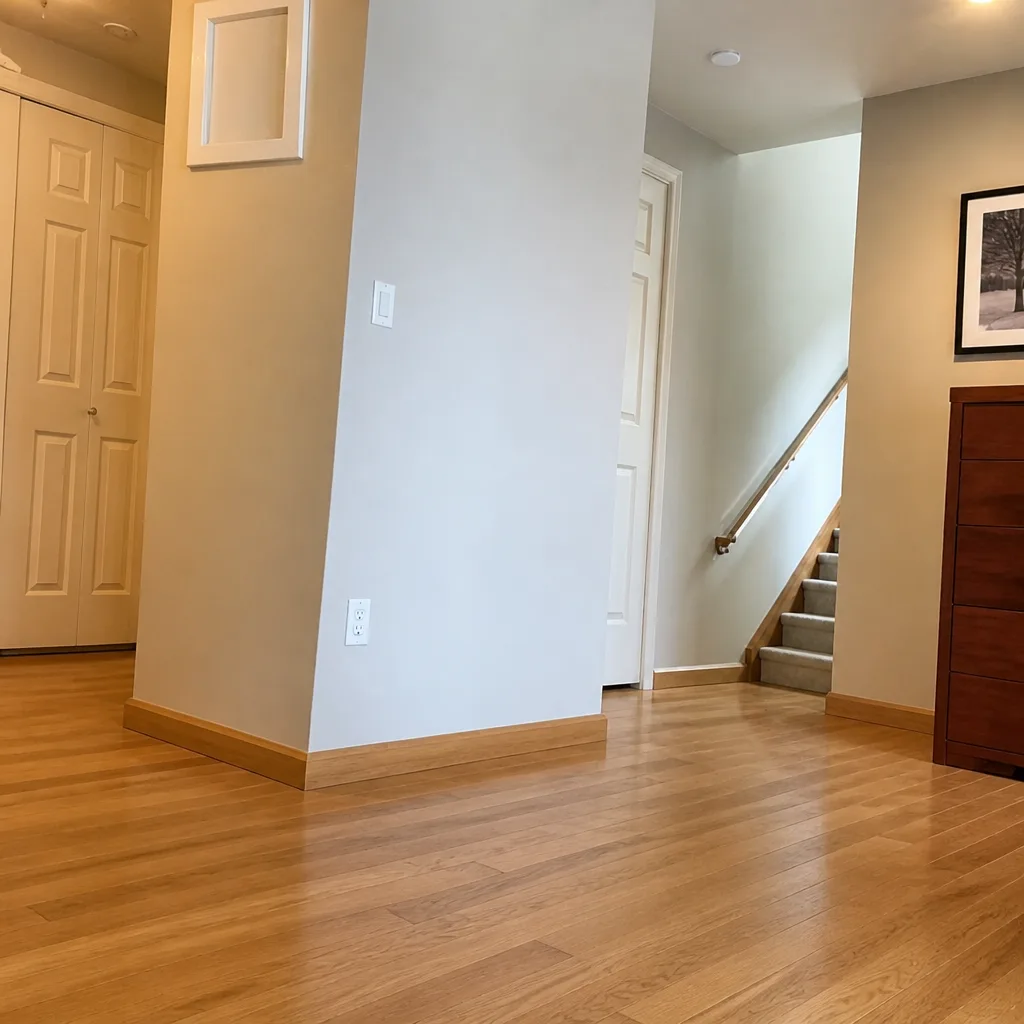 After
Common Mistakes to Avoid
- Booking on a $99 coupon without verifying what it covers. A $99 quote for a whole-house cleaning almost always covers a bare minimum of vents and leaves the rest as paid add-ons. Ask for a written scope before booking, not after the technician arrives.
- Skipping the state contractor registration lookup. Bellevue has plenty of legitimate contractors; it also has plenty who aren’t registered. A two-minute search on the Department of Labor & Industries site closes the gap. If they aren’t registered, nothing else about the quote matters.
- Accepting a verbal quote. Without a written document detailing vent count, components, and total price, the “quote” isn’t a quote. It’s a starting point the technician can change once on-site.
- Not asking about equipment. A contractor who can’t explain their vacuum, brush system, and filtration is using equipment you probably wouldn’t choose if you saw it. Ask what they bring to the job and how it handles the specific work you need done in Bellevue.
- Letting a technician skip the walkthrough. A real contractor inspects before quoting. A scripted one quotes before inspecting, and quotes based on what they think they can sell rather than what’s actually there.
- Paying entirely up front. Large deposits and cash-only terms limit your recourse if the job isn’t completed or isn’t completed as quoted. Pay by card, pay in stages, or pay on completion.
- Skipping the completion documentation. Without before-and-after photos and a written report, you have no record of what was done. If a problem comes up six months later, that record matters.
When to Call a Professional
Not every duct system needs professional attention every year. The right time to call a professional is when you have a specific reason, not on a calendar schedule. Common triggers we hear from Bellevue homeowners include a recent move into an older home where the prior owner’s maintenance history is unknown, a recent renovation that produced drywall dust or sawdust in the system, visible dust or debris blowing out of registers when the HVAC system turns on, a persistent musty or dusty smell that doesn’t clear after filter changes, family members with new or worsening respiratory symptoms, or a dryer that takes longer than it used to dry a load (which points to a dryer vent issue rather than the ducts themselves, and that’s a safety matter worth a call). Airflow problems, uneven heating or cooling, and higher-than-expected energy bills can also signal ducts that need attention.
Bellevue Air Duct Cleaning Pros offers free estimates in Bellevue. Our technicians have up to 8 years of experience, we operate Rotobrush and Nikro equipment, and we set one flat price per system agreed before work starts. Call (855) 337-2032.
Frequently Asked Questions
Whole-system air duct cleaning in Bellevue typically falls into a range that depends on the number of registers, the length of the ductwork, and the condition of the system. Rather than list a teaser number here, the honest answer is that the written estimate sets the final price, and any contractor who quotes before inspecting your system is guessing. Call (855) 337-2032 for an exact quote. Estimates are free.
Cheap quotes are usually built around less scope, lower-grade equipment, or both. A low coupon price often covers only a handful of registers, relies on a portable vacuum that can’t hold the entire system under negative pressure, and leaves the upsells to make up the margin on-site. The price you see is the entry point, not the real number. Call (855) 337-2032 for a quote that reflects the actual job.
You know by the documentation. Before-and-after photos from your system, a written completion report describing what was cleaned, and camera footage where a camera inspection was part of the scope. A contractor who can’t provide a real record of the work didn’t leave you any way to verify it. We provide documentation on every job. Call (855) 337-2032 to schedule.
Most homes don’t need duct cleaning on a fixed schedule. The honest answer is that cleaning depends on conditions: pets, recent renovations, visible dust or debris, a move into an older home with unknown history, or respiratory concerns in the household. If none of those apply, the ducts likely don’t need cleaning yet. If one does, getting a free estimate is the way to find out what’s actually there. Call (855) 337-2032.
Routine duct cleaning does not typically require a permit. Duct repair, sealing, or any work that involves cutting into ductwork or modifying the HVAC system may fall under permit requirements, and those vary by scope and by which jurisdiction the home is in. Ask your contractor whether a permit is needed for the specific work being quoted, and when in doubt, confirm with the City of Bellevue’s permit office before work starts. For cleaning estimates, call (855) 337-2032.
Cleaning a dust-loaded duct system can help reduce the dust and particulate load that gets circulated through a home, which many people with allergies find meaningful. It isn’t a medical treatment and it won’t fix indoor air quality on its own; sealed ductwork, good filtration, and regular filter changes do most of that work. For a system with visible contamination, the cleaning is the first step. Call (855) 337-2032 for a free assessment.
The Bottom Line
Hiring a duct cleaning contractor in Bellevue comes down to a short list. Verify the three credentials (state registration, liability insurance, NADCA membership). Ask the two equipment questions (what vacuum system, what brush system). Insist on a written quote with a specified vent count, a component list, and one flat price. Watch for a real pre-job walkthrough. Structure payment so you pay on completion, and request before-and-after documentation so you have proof of what was done. And discount any price that doesn’t match the scope in the quote. That $99 offer is a loss-leader, not a bargain. A contractor who answers every question above clearly and puts it all in writing is the one you want. One who deflects, rushes, or quotes a price before inspecting your system is not.
Bellevue Air Duct Cleaning Pros handles air duct cleaning, dryer vent cleaning, HVAC cleaning, duct repair and sealing, and air quality and sanitizing as a full-spectrum service under one crew, one visit. We use Rotobrush contact-cleaning systems and Nikro HEPA negative-pressure equipment, apply Abatement Technologies products for contamination scenarios, and work with Honeywell and Aprilaire product lines for filter and air-quality recommendations. Our technicians have up to 8 years of experience, and we set one flat price per system agreed before work starts, with before-and-after photos of your own ducts so you can see the result.
Call (855) 337-2032 for a free estimate. We answer 24/7. Fast dispatch from 7am to 7pm, Sunday through Friday. You can also start with the main page at Bellevue Air Duct Cleaning Pros to see the full service lineup.
Written by the team at Bellevue Air Duct Cleaning Pros.