
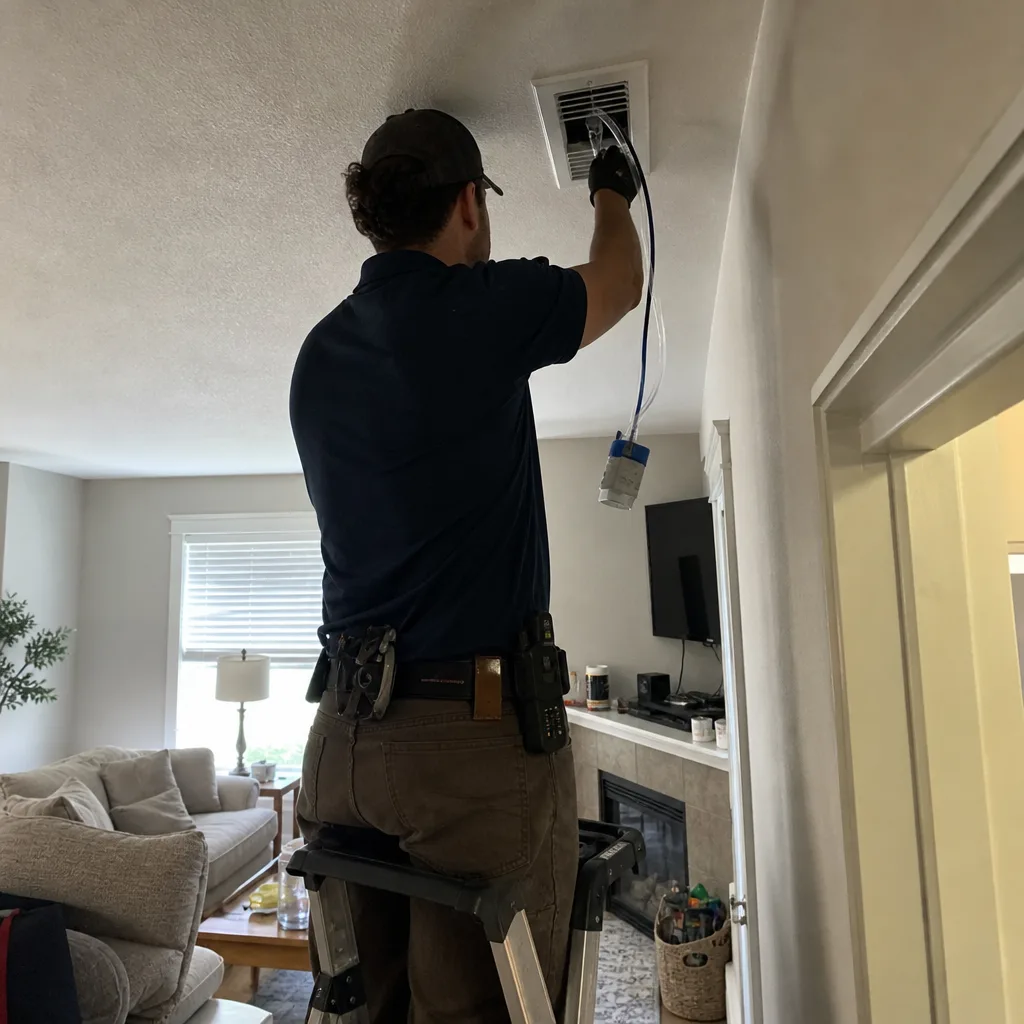
Last updated November 23, 2026
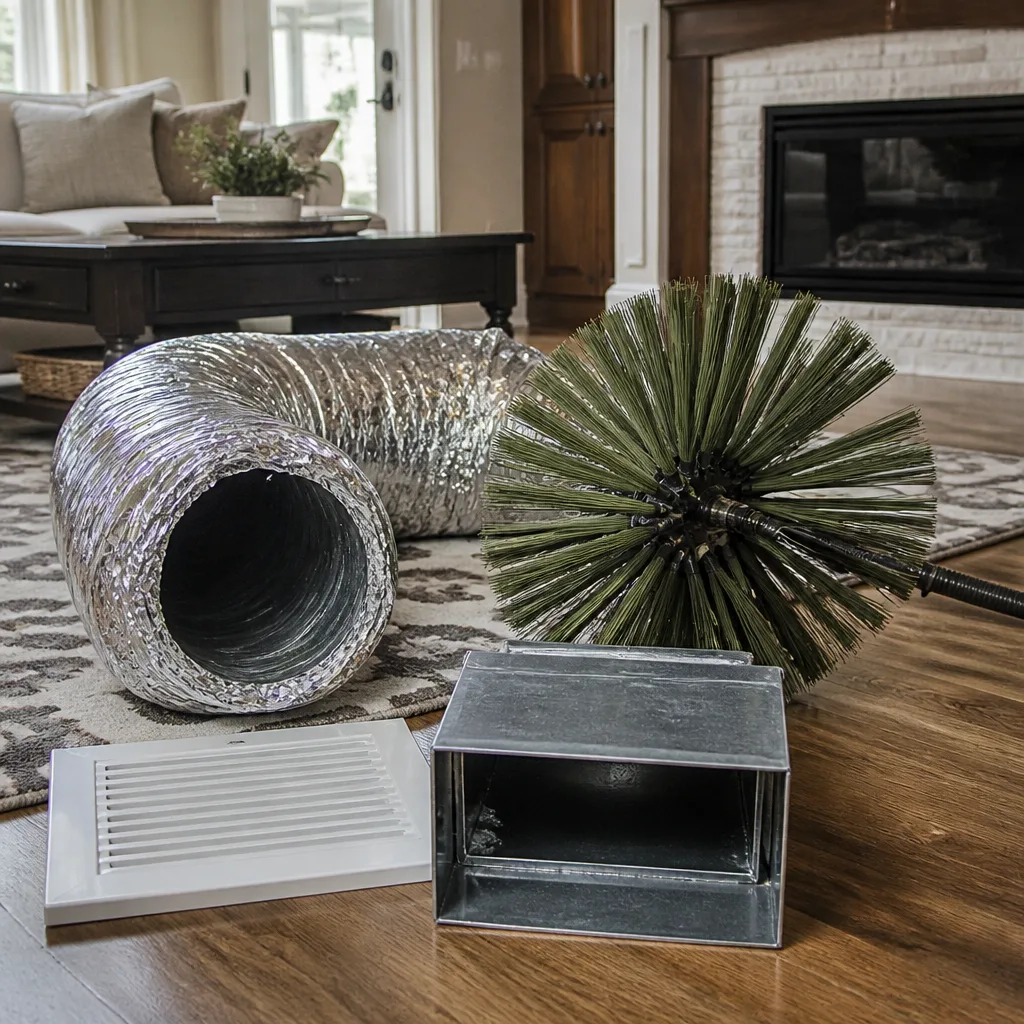 Whole-home duct cleaning
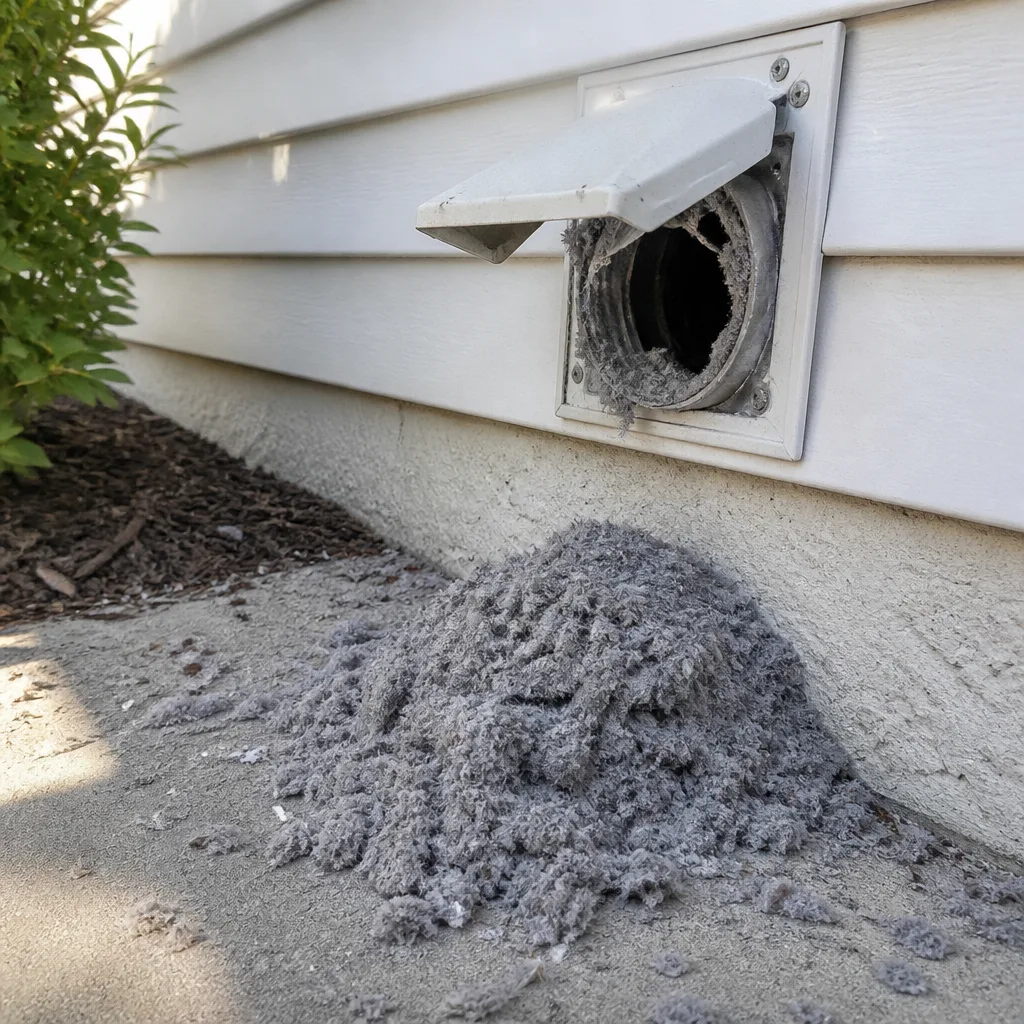 Dryer vent cleaning
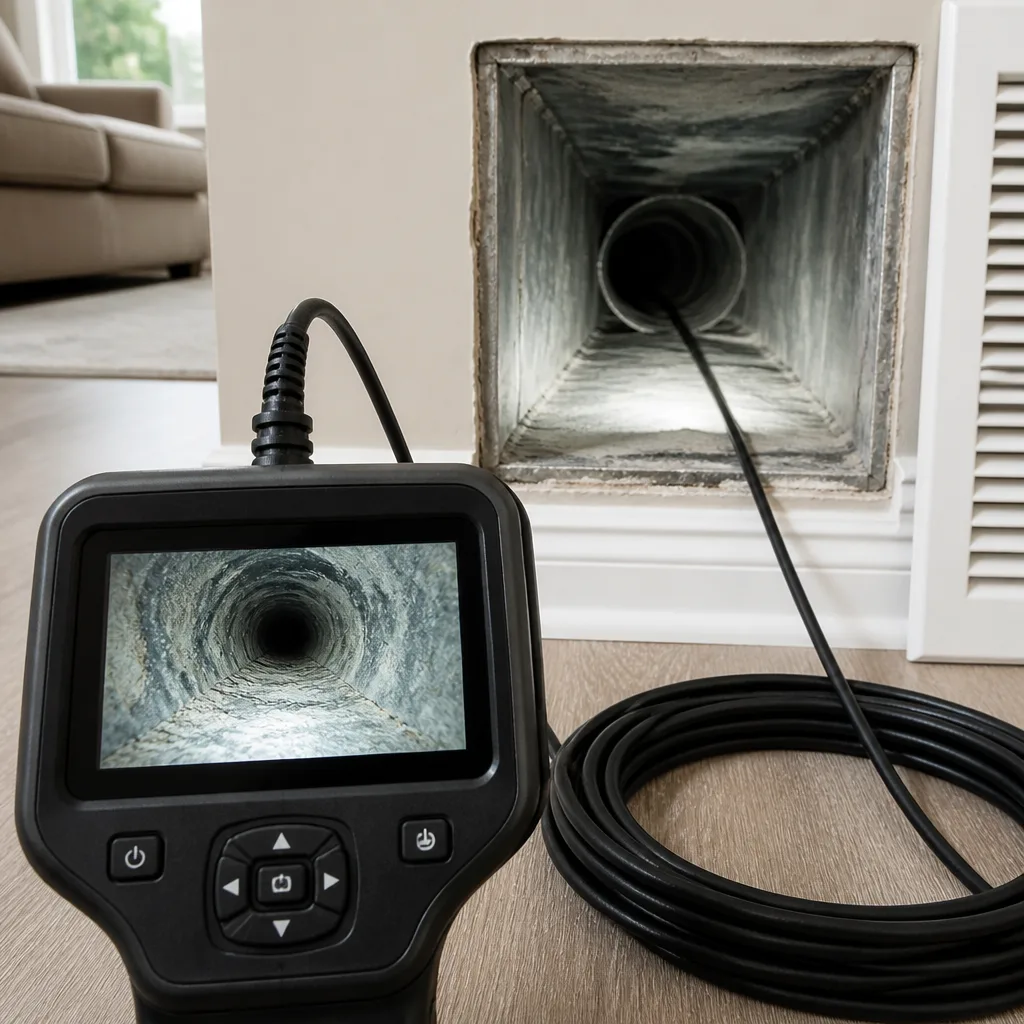 Camera inspection
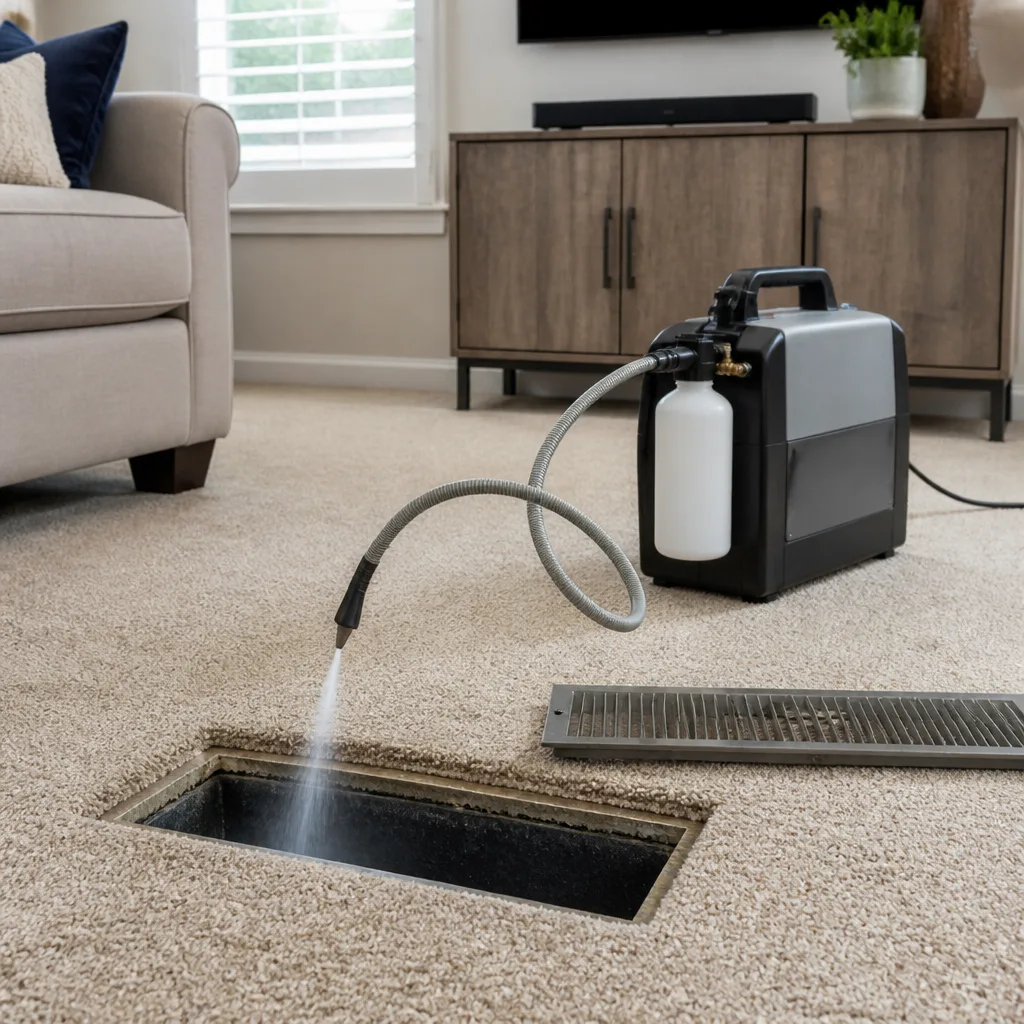 Sanitizing & deodorizing
Whole-system duct and dryer vent check with before-and-after photos - you see exactly what came out of your vents
That "$99 whole-house special" is a bait ad - the real number appears once they are in your hallway, or the "clean" is a shop-vac at the register. We photograph the inside of your ducts before and after instead.
Air Duct Cleaning Maintenance Checklist for Bellevue Homeowners
Most homeowners treat duct cleaning as a one-time event: schedule it, forget it, repeat in several years. The filter you change every 90 days can’t protect ductwork that hasn’t been inspected in a decade, and in Bellevue homes with gas fireplaces or attached garages, that neglect shows up as dust film on registers, stale air at startup, and a furnace that works harder than it should. What follows isn’t a reminder list. It’s a diagnostic calendar: what to check month by month, what you can see yourself at the registers, what only a camera scope reveals, and how to log it all so a contractor can spot a trend instead of a snapshot.
Quick Answer
A practical air duct maintenance checklist for Bellevue homeowners runs on four seasonal checkpoints: inspect registers and returns in April as pollen rises, schedule professional cleaning and a camera scope before October heating startup, check dryer vent airflow quarterly, and document any smoke or dust intrusion after August wildfire season. Between those checkpoints, change filters on schedule, watch for red flags, and keep a simple log so you can see deterioration over time rather than guessing.
Styles & brands we work with
- Whole-home duct cleaning
- Dryer vent cleaning
- Camera inspection
- Sanitizing & deodorizing
Table of Contents
- Why Bellevue’s Seasons Set Your Duct Calendar
- The Month-by-Month Checklist
- What You Can Inspect Yourself vs. What Needs a Camera Scope
- How to Log Duct Condition So Trends Become Visible
- Checklist Items for Gas Furnaces, Heat Pumps, and Dual-Fuel Systems
- Red Flags That Stop the Checklist
- What a Professional Inspection Actually Covers
- Common Mistakes to Avoid
Why Bellevue’s Seasons Set Your Duct Calendar
Air duct maintenance in Bellevue isn’t the same calendar as Phoenix or Miami, and generic “every three to five years” advice ignores the two forces that actually drive contamination here: a wet, mild climate that keeps dust and pollen mobile almost year-round, and a late-summer smoke season that pushes fine particulate into every return grille in the house.
Bellevue sits in a lowland basin east of Lake Washington, sheltered from much of the coastal weather but still humid through the cooler months. That mild dampness keeps dust from drying out and settling the way it does in arid climates – it clings to duct walls and builds a tacky film that a homeowner never sees. Meanwhile, the surrounding evergreen canopy produces a heavy pollen surge each spring, and prevailing winds off the lake and foothills carry it straight into outdoor intakes.
Then comes wildfire smoke. When smoke blankets the region, typically in August, every home’s HVAC system becomes a filtration device whether it was designed as one or not. Fine particulate pulls through returns, coats the inside of duct runs, and settles in the blower compartment. Homes near attached garages, gas fireplaces, or the busier corridors through downtown and the Crossroads area accumulate combustion byproducts and road dust on top of that. By the time heating season starts in October, all of it gets pushed back into living spaces as warm air moves through.
That’s the reasoning behind the calendar we recommend. It’s not about cleaning more often for its own sake; it’s about inspecting at the moments when Bellevue’s climate loads the system heaviest, then acting before that load compounds.
The Month-by-Month Checklist
Here’s the checklist itself, organized by the seasonal patterns that shape air quality in Bellevue. Treat it as a calendar, not a to-do list you’ll finish in one weekend.
April: Pollen Surge
- Remove and inspect return grilles for pollen film and fine grit; wipe them down.
- Photograph each return before you clean it, so you have a baseline.
- Replace your filter with the correct MERV rating for your system and note the date.
- Walk each room and note any register that blows weaker than the others.
June-July: Pre-Smoke-Season Prep
- Check that return grilles seat flush and seal tightly against the ceiling or wall.
- Test your HVAC fan on its low setting and listen for rattle or whistle.
- Confirm you have a spare set of filters on hand for August.
- Schedule a professional inspection if you haven’t had one since the previous heating season.
August: Wildfire Smoke
- Keep windows closed and run the fan on low continuously to filter indoor air.
- After any heavy smoke event, photograph the filter and registers to document load.
- Note any smoky odor lingering after outdoor air clears – that’s a sign of contamination in the air pathway.
October: Heating Startup
- On the first cool day, run the furnace and note any “dust smell” – a normal startup odor should fade within minutes, not linger.
- Replace the filter before heating season, not after.
- Check each supply register for new dust streaks around the face.
- Log the date, filter change, and any odor or noise observations.
January-February: Deep Winter
- Inspect the furnace condensate line and drain pan if yours uses one.
- Watch for condensation or frost around supply registers in crawl-space or garage-adjacent rooms.
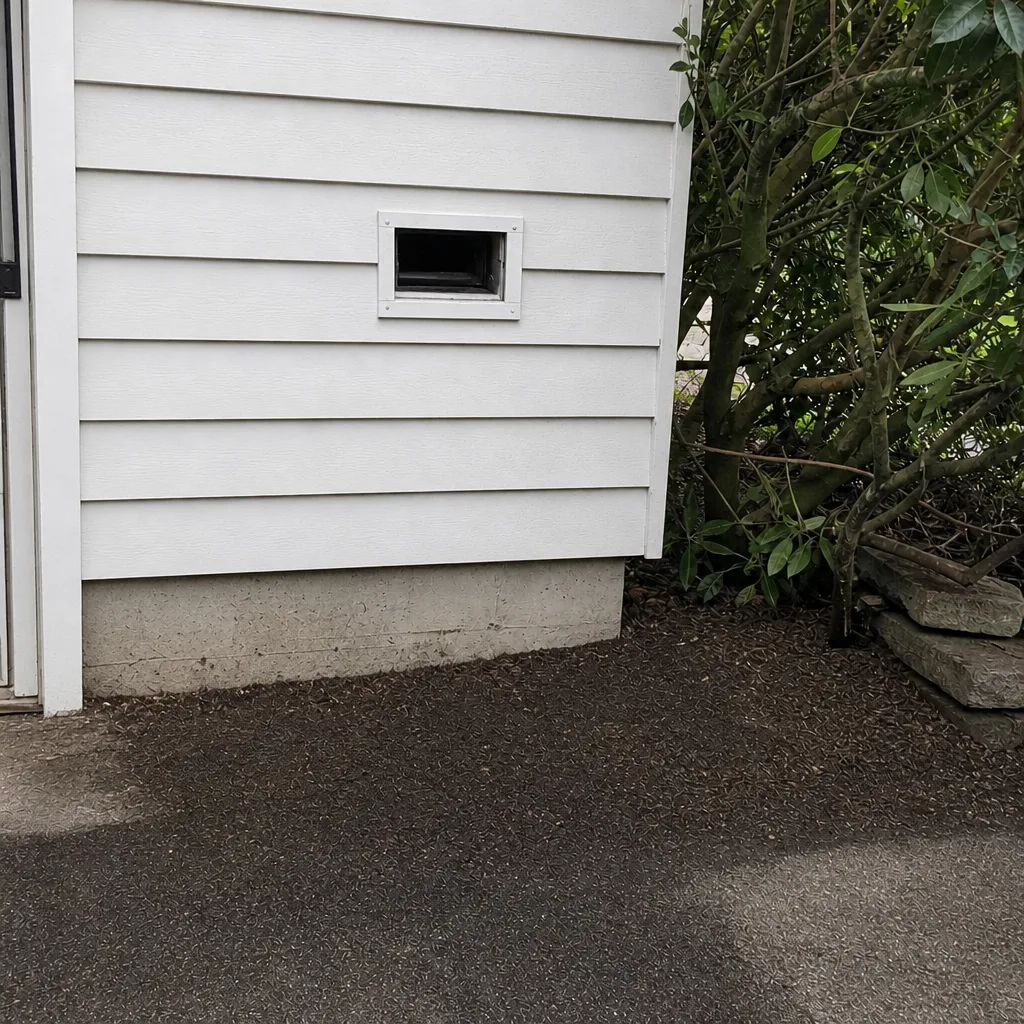
- Check the dryer vent exterior flap during a cycle – if it doesn’t fully open, airflow is restricted.
Quarterly: Dryer Vent Checks
- Clear lint from the trap before every load, not just sometimes.
- Run a cycle and feel the exterior vent for strong, steady airflow.
- Look behind the dryer for crushed or kinked flexible duct – a common hidden restriction.
- Book professional dryer vent cleaning if you can’t remember the last time the full run was cleared.
What You Can Inspect Yourself vs. What Needs a Camera Scope
Most of what happens inside a duct system is invisible from the floor. But a surprising amount can be checked with a flashlight and ten minutes – and knowing the difference keeps you from wasting a service visit on something you could see yourself, or missing something only a scope can reveal.
What You Can Check Yourself
- Register faces: dust film, streaks around the perimeter, or fine black soot near a gas unit.
- Return grilles: how much dust accumulates on the grille vs. the wall around it – heavy grille dust but clean walls suggests duct-side loading.
- Airflow strength at each register – compare by holding a tissue or your hand and watching movement.
- Filter condition and loading pattern: an evenly gray filter is normal, but dark patches on one side can indicate a leak pulling unfiltered air.
- Odor at startup: brief dust smell is normal; a persistent musty or smoky smell is not.
- Condensate, drain pans, and the area around the air handler.
What Requires a Camera Scope
- Interior duct wall condition – whether contamination is a light film or a heavy build on the liner.
- Loose, disconnected, or crushed flex runs behind walls and ceilings.
- Mold growth on duct surfaces – you can smell it but can’t confirm without a camera view.
- Construction debris left inside runs after a remodel.
- Whether a leak is pulling attic or garage air into the supply side.
- Duct condition in crawl spaces and in spaces above ceilings you can’t crawl into.
Professional negative-pressure equipment like Nikro HEPA systems pairs with scopes to make that view possible without tearing anything open. When a scope reveals a leak or a crushed run, that’s where Bellevue Air Duct Cleaning Pros recommends repair and sealing as a next step rather than simply cleaning around a known problem.
How to Log Duct Condition So Trends Become Visible
The most underused tool in home air quality is a simple log. A one-page spreadsheet or a notebook kept near the furnace tells a contractor more about your system than any single inspection. What matters is consistency and a handful of fields.
Log these every time you check the system:
- Date of the inspection or filter change.
- Filter MERV rating and part number, plus how heavily it was loaded (light, medium, heavy).
- Register observations: which shows dust, which shows weak airflow, any new streaks.
- Odor notes: none, musty, dusty, smoky, or chemical.
- Recent events: wildfire smoke days, remodel dust, new pets, guests staying a week, HVAC repair.
- Photos: same angle each time, so the frames line up.
The point is pattern recognition. A single inspection can tell you the ducts are dusty. A log spanning three or four seasonal checkpoints tells you whether dust is accumulating faster than expected, whether one branch of the system is loading faster than the others, and whether the filter is being overwhelmed – all signs a contractor uses to recommend a targeted fix rather than a blanket cleaning.
Keep the log with the home’s other maintenance records, not just in your phone. If you ever sell the Bellevue home, a documented duct and HVAC history is a real asset in a market where buyers pay attention to indoor air quality.
Checklist Items for Gas Furnaces, Heat Pumps, and Dual-Fuel Systems
Bellevue homes run the full range of heating systems, and each type loads its ducts differently. Match the checklist to what’s actually in your mechanical closet.
Gas Furnaces
- Watch for soot film at supply registers or on the furnace cabinet – stop and call if present.
- Check that the flue connection is intact and that no white residue or corrosion appears at the joints.
- Verify the return-air path isn’t pulling combustion air from a gas fireplace or water heater closet.
- Have the heat exchanger and burners inspected by a licensed HVAC contractor – duct cleaning does not cover combustion-side safety.
Heat Pumps
- Clean or replace the indoor air handler filter on schedule; heat pumps move more air than furnaces and clog filters faster.
- Confirm the outdoor unit is clear of leaf debris and pollen buildup before cooling season.
- Inspect the air handler’s coil for dust matting, a common cause of restricted airflow in Bellevue heat pump systems.
- Watch for condensation and drainage issues – a wet air handler is a mold nursery.
Dual-Fuel Systems
- Check the switchover points are working as intended; a stuck changeover can overload one side of the system.
- Inspect the furnace-side and heat-pump-side duct runs separately, since each sees different load patterns.
- Verify the filter and return sizing serve both operating modes, not just heating.
- Keep a separate log entry for each mode and each season.
Whatever the system, dust loading and duct integrity are shared concerns. Professional HVAC cleaning addresses the air-handler side of the pathway, not just the duct runs, and that’s the part most DIY checklists skip entirely.
Red Flags That Stop the Checklist
Some observations mean you should stop the routine inspection and get a professional out to look. These aren’t “next time you book” items.
- Visible mold inside the ductwork or on the air handler. Stop handling anything downstream and don’t run the fan continuously until a pro inspects it.
- Persistent musty odor that doesn’t clear when the system runs. Odor often signals moisture or growth that a camera scope needs to confirm.
- Soot film near supply registers on a gas system. This is a safety concern, not a cleaning concern. Stop using the furnace and call a licensed HVAC technician about the combustion side immediately.
- Pest evidence inside ducts – droppings, nesting material, or a dead animal. This calls for professional removal, not a shop vac.
- Crushed or disconnected duct run visible in an attic or crawl space. Cleaning a broken system only redistributes what’s leaking in.
- Warm air blowing from a supply when the AC is running, or vice versa. This suggests a broken damper or a crossover in the duct design.
- Sudden, repeat filter loading after years of normal intervals – something changed and needs diagnosis.
If any of these appear in a Bellevue home, treat it as a call-now item. Abatement Technologies-equipped crews can handle contamination and sanitizing work beyond routine dust removal, and knowing that early is what keeps a small problem from becoming a full-system job.
What a Professional Inspection Actually Covers
A professional inspection is not the same thing as a cleaning. What you should expect on arrival is a scope of the air pathway – from returns through the air handler and out the supplies – plus a filter and airflow assessment. The technician should walk you through the camera view on each main run and point out anything unusual.
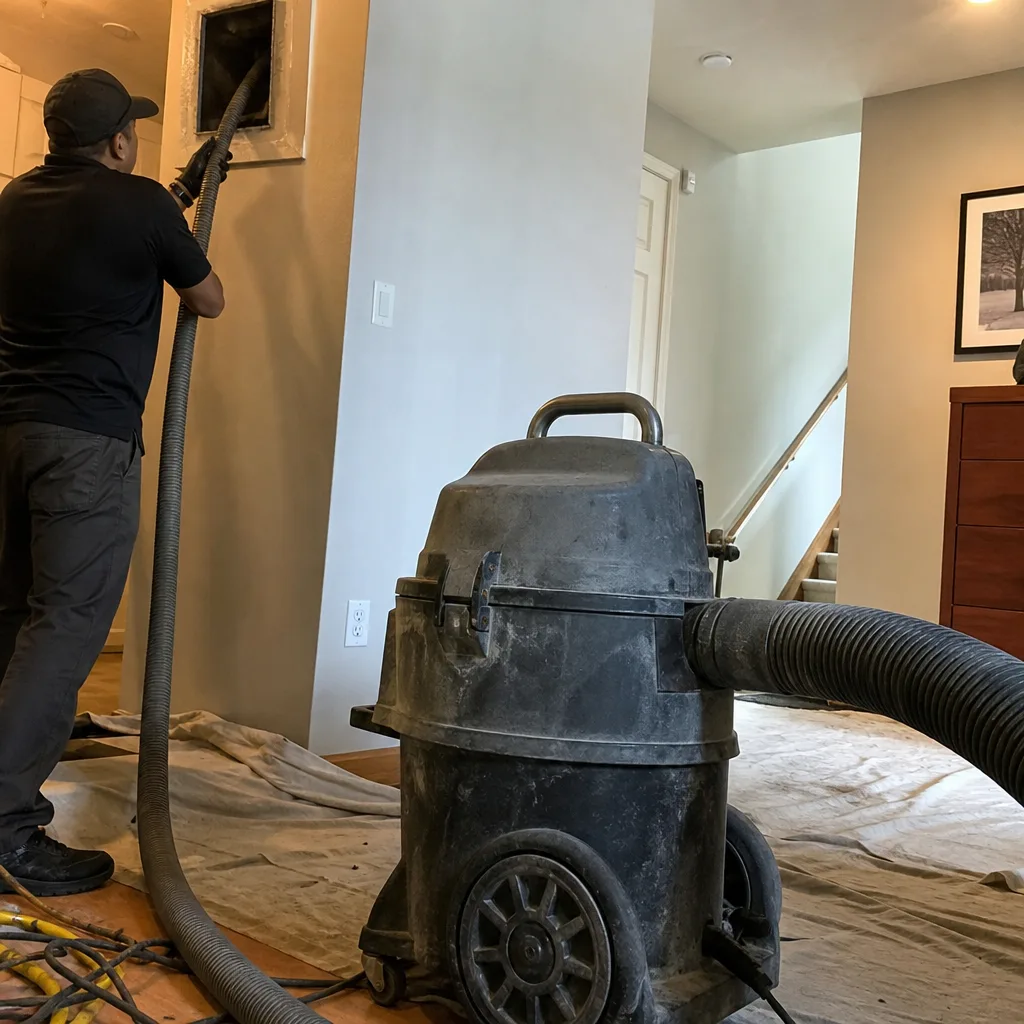
When cleaning is performed, professional-grade Rotobrush contact cleaning loosens material from the duct walls with a rotating brush head, while a Nikro HEPA negative-pressure unit pulls the loosened material into a sealed collection system rather than into your rooms. That combination is what separates professional cleaning from a portable vacuum job. It also makes before-and-after photos meaningful: they show the same run, not a marketing shot.
A full visit from a company that handles the whole pathway can cover air duct cleaning, dryer vent work, HVAC mechanical cleaning, and duct repair and sealing in a single appointment. That last item matters: cleaning ducts that leak just lets them re-contaminate. Sealing closes the root cause.
If you’re ready to schedule an inspection for a Bellevue home, air duct cleaning is the right starting point, and from there we can recommend what the inspection actually supports. We work with Honeywell, Aprilaire, and Guardsman product lines for post-cleaning filtration and air-quality upgrades, and we don’t add them unless the inspection justifies them.
Common Mistakes to Avoid
- Cleaning ducts but never sealing them. A Bellevue home with leaks in attic or crawl runs will re-contaminate within a season. Cleaning is half the job; sealing is the other half.
- Chasing the cheapest coupon. Low teaser prices tend to become a much larger invoice once the technician is on site. Ask for one flat price per system, agreed before work starts.
- Treating “every 3-5 years” as gospel. A smoke-heavy August, a remodel, or a new pet can all shorten the interval. Let the log, not the calendar, tell you when.
- Ignoring the dryer vent. Clogged dryer vents are the leading cause of residential dryer fires. If it’s been years, don’t wait.
- Skipping the air handler. Cleaning ducts while the blower and coil stay dusty defeats the purpose – the system keeps blowing that material back into the runs.
- Not documenting anything. Without a log, every inspection starts from scratch and trends are invisible.
- Running the system with a return that’s pulling from a garage or a gas fireplace chase. This is an air-quality problem invisible to a dust check; the camera scope catches it.
See the difference
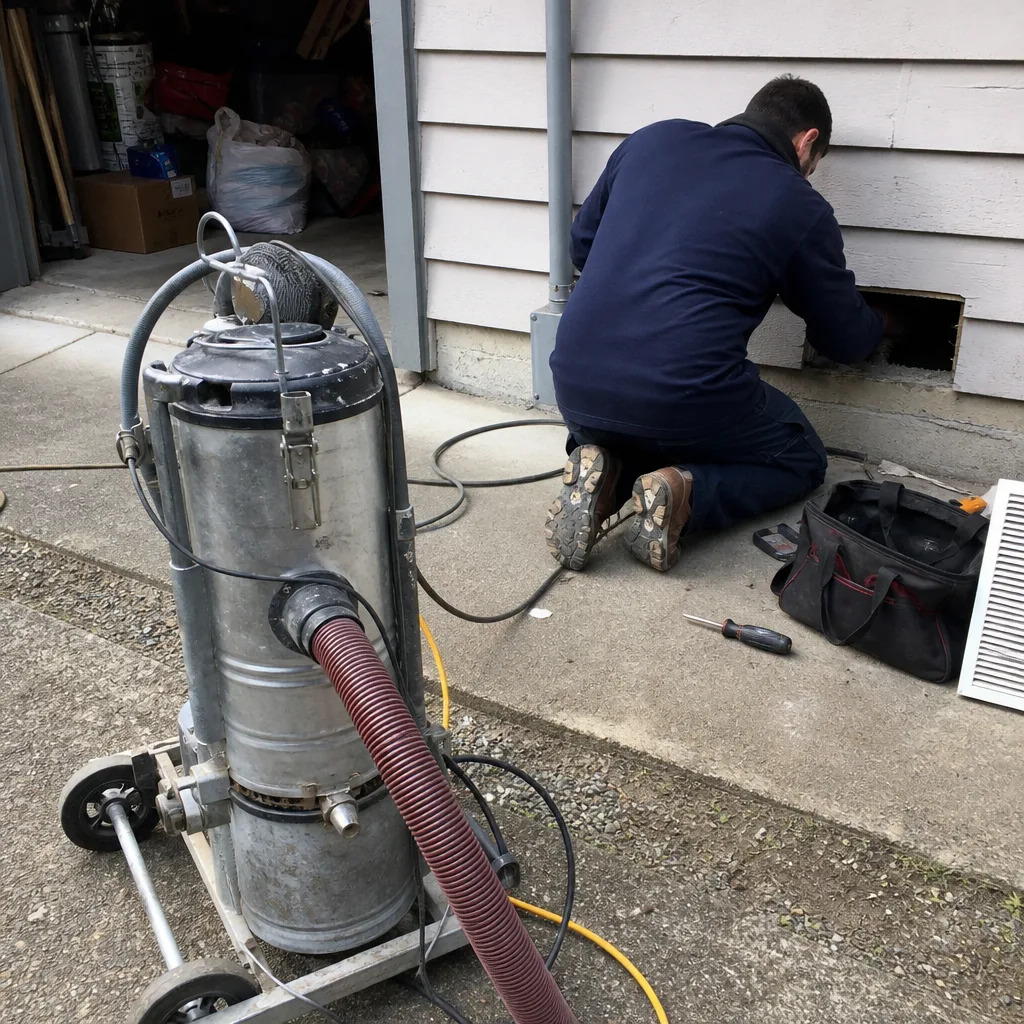 Before
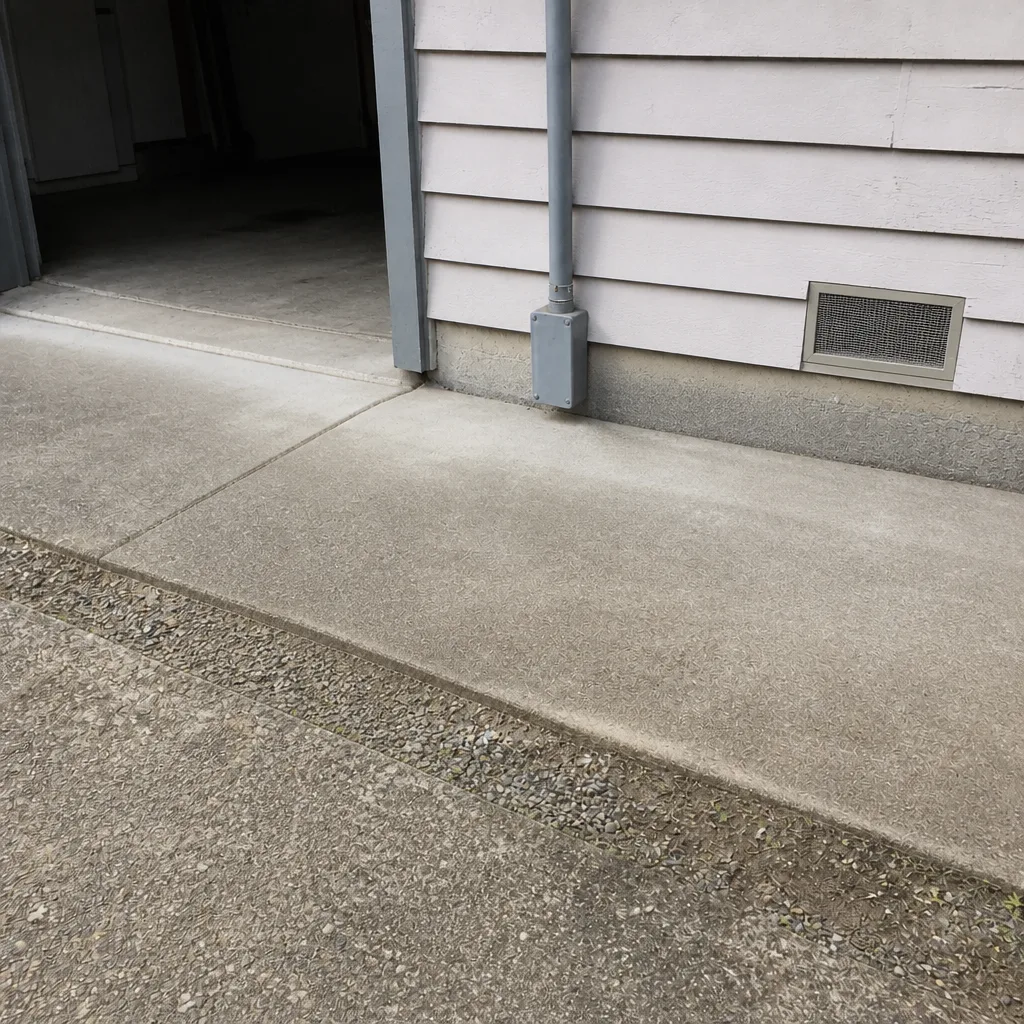 After
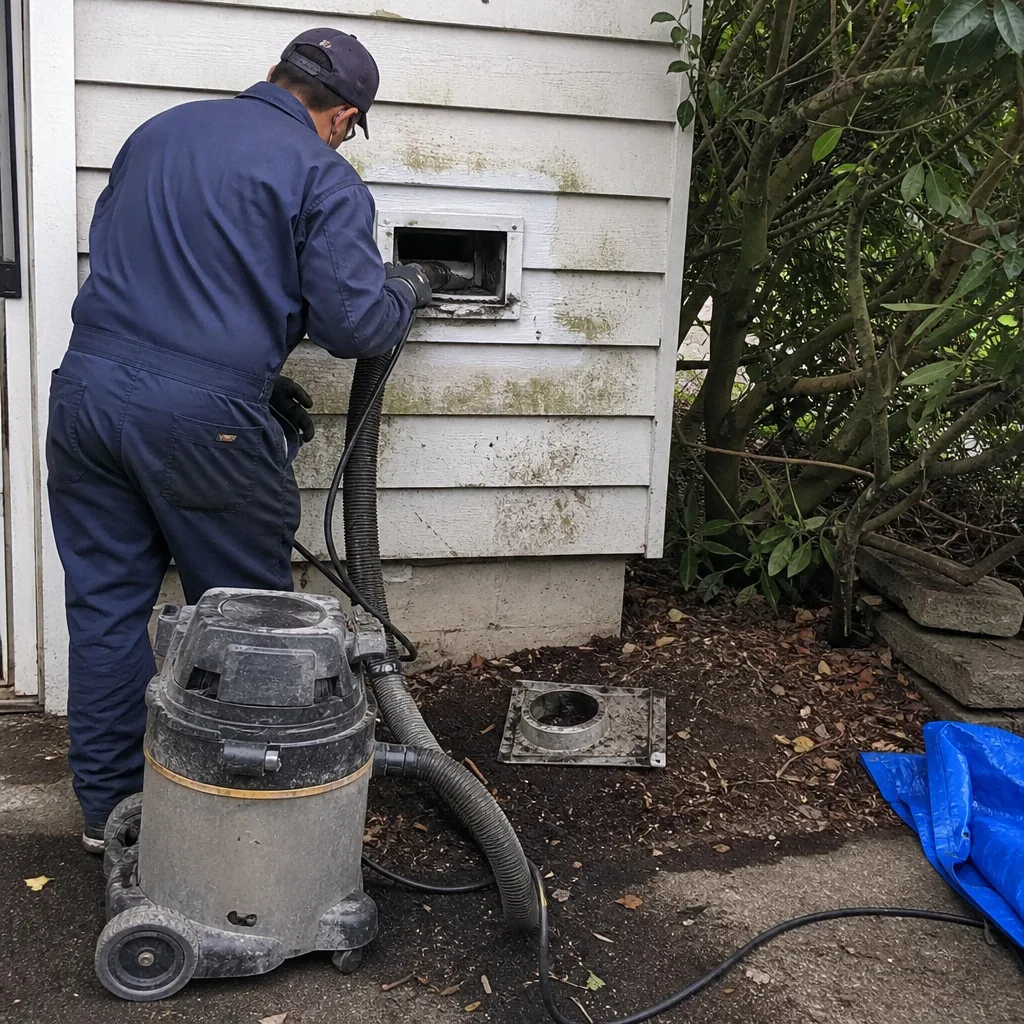 Before
 After
 Before
 After
When to Call a Professional
Call a professional when you see mold, smell persistent mustiness, find pest evidence, notice soot on a gas system’s registers, or spot a crushed duct run in an attic or crawl. Call if your filter loads faster than it used to, if smoke season left the air in your Bellevue home feeling different, or if you’re prepping a home for sale and want a documented inspection to hand buyers. Call if the dryer vent has never been cleared, if your system supports dual-fuel and hasn’t been inspected in years, or if you simply want a camera-scoped baseline so the log has a starting point. Bellevue Air Duct Cleaning Pros offers free estimates in Bellevue. Call (855) 337-2032. We answer 24/7. Fast dispatch from 7am to 7pm, Sunday through Friday.
Frequently Asked Questions
Most Bellevue homes do well with professional cleaning every three to five years, but the needed interval depends on what your log shows. Homes that see heavy wildfire smoke, have pets, have undergone a remodel, or sit near a busy corridor often need a shorter cycle. If your filter loads noticeably faster than it did a year ago, that’s a reason to book an inspection sooner rather than later. Call (855) 337-2032 for a free estimate.
You can and should do most of the visible inspection yourself: register dust checks, filter changes, airflow comparisons, and the log. What you can’t do is see inside the duct runs without a camera scope, or safely handle mold, pest contamination, or a broken run. That’s where a professional visit earns its keep. Call (855) 337-2032 to schedule an inspection and get a baseline.
Quotes vary because some are teaser prices on a single system that turn into far larger invoices once the technician is on site. The fair way to compare is by asking each company for one flat price per system, agreed before work starts, and before-and-after photos of your ducts. A price that’s quoted on completion isn’t a price. Call (855) 337-2032 for a free estimate with no surprise add-ons.
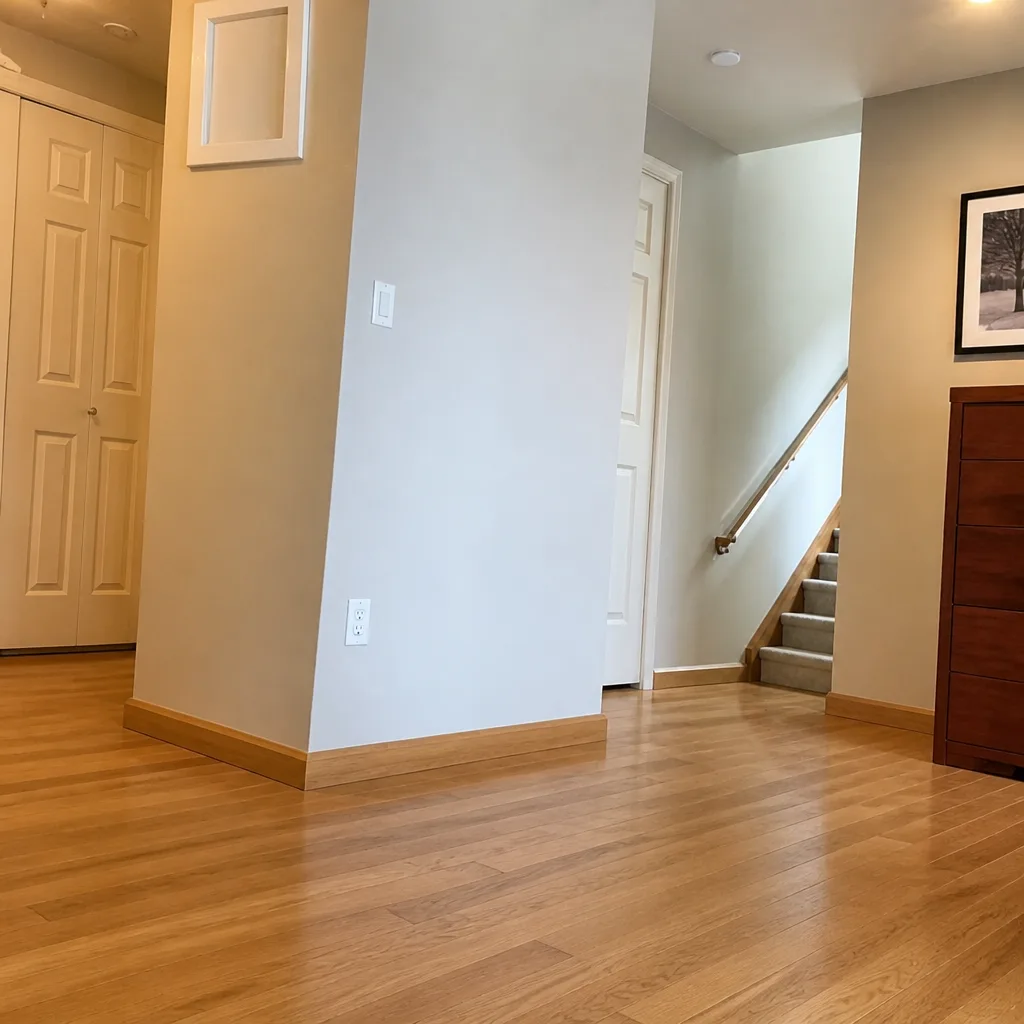
Before-and-after photos of the same duct runs are the clearest evidence. A pro using Rotobrush contact cleaning and Nikro HEPA negative pressure will have both video and still images to show you, because the equipment is designed to capture the removed material. If a company can’t show you its work, ask why. Call (855) 337-2032 for a free estimate with documented results.
Yes, in a specific way. The mild, damp months keep dust and pollen clinging to duct walls instead of drying out and settling, which lets it accumulate faster than it would in a drier climate. Add wildfire smoke in late summer and a pollen surge in spring, and a Bellevue home’s system sees more loading than its age alone would suggest. Call (855) 337-2032 to schedule an inspection.
Clear the lint trap every load and check exterior airflow once a quarter by feeling the outside vent flap during a cycle. If the flap doesn’t fully open, if you notice lint collecting behind the dryer, or if you can’t remember the last time the full run was cleared, get a professional dryer vent cleaning. It’s the leading cause of residential dryer fires. Call (855) 337-2032 for a free estimate.
The Bottom Line
Duct maintenance in Bellevue is a calendar, not a single chore. Inspect in April as pollen peaks, prep in June, document smoke exposure in August, and get a camera scope before the October heating startup. Track what you see in a short log so trends are visible. Match the checklist to your system – gas, heat pump, or dual-fuel – and stop the routine when you see mold, soot, pest evidence, or a broken run. Cleaning without sealing only kicks the problem down the road, and the cheapest quote is often the one that ends up costing most. Call (855) 337-2032 for a free estimate. We answer 24/7. Fast dispatch from 7am to 7pm, Sunday through Friday.
Written by the team at Bellevue Air Duct Cleaning Pros.