
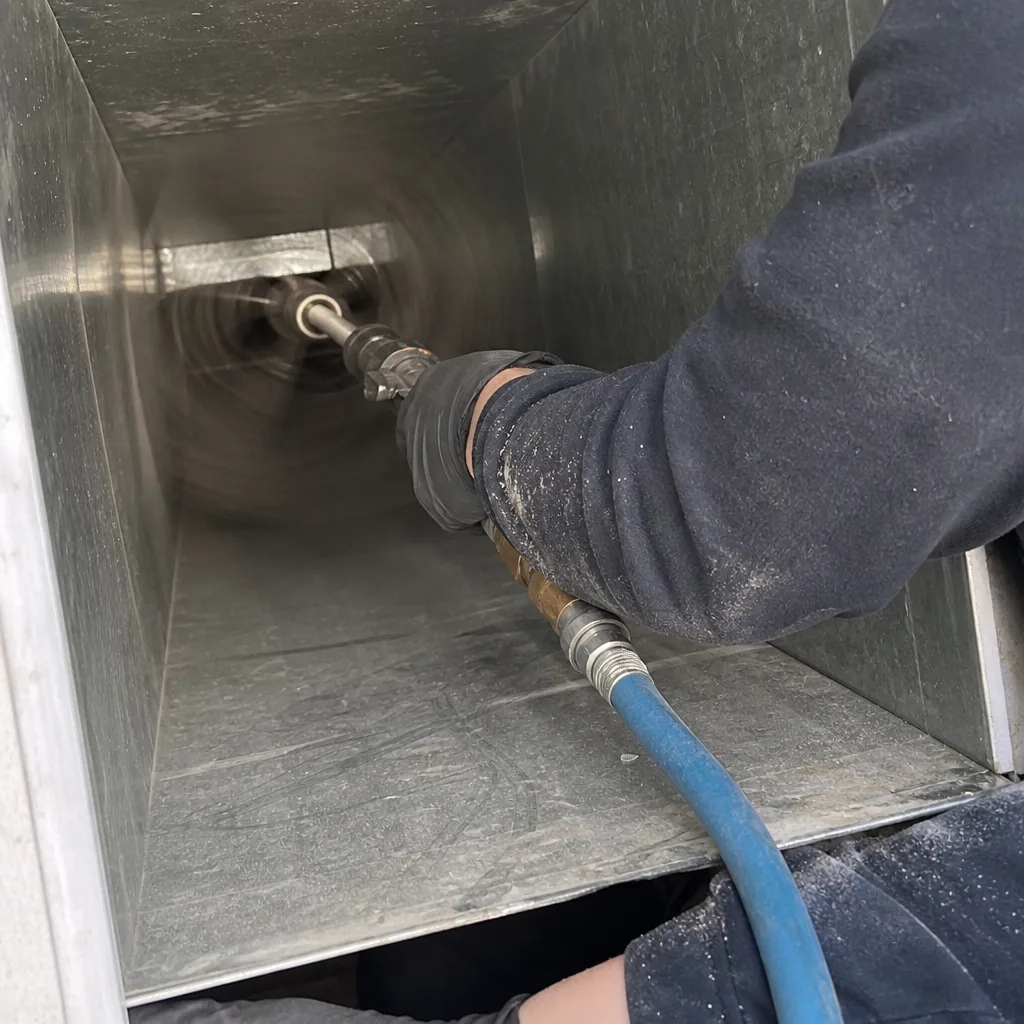
Last updated November 23, 2026
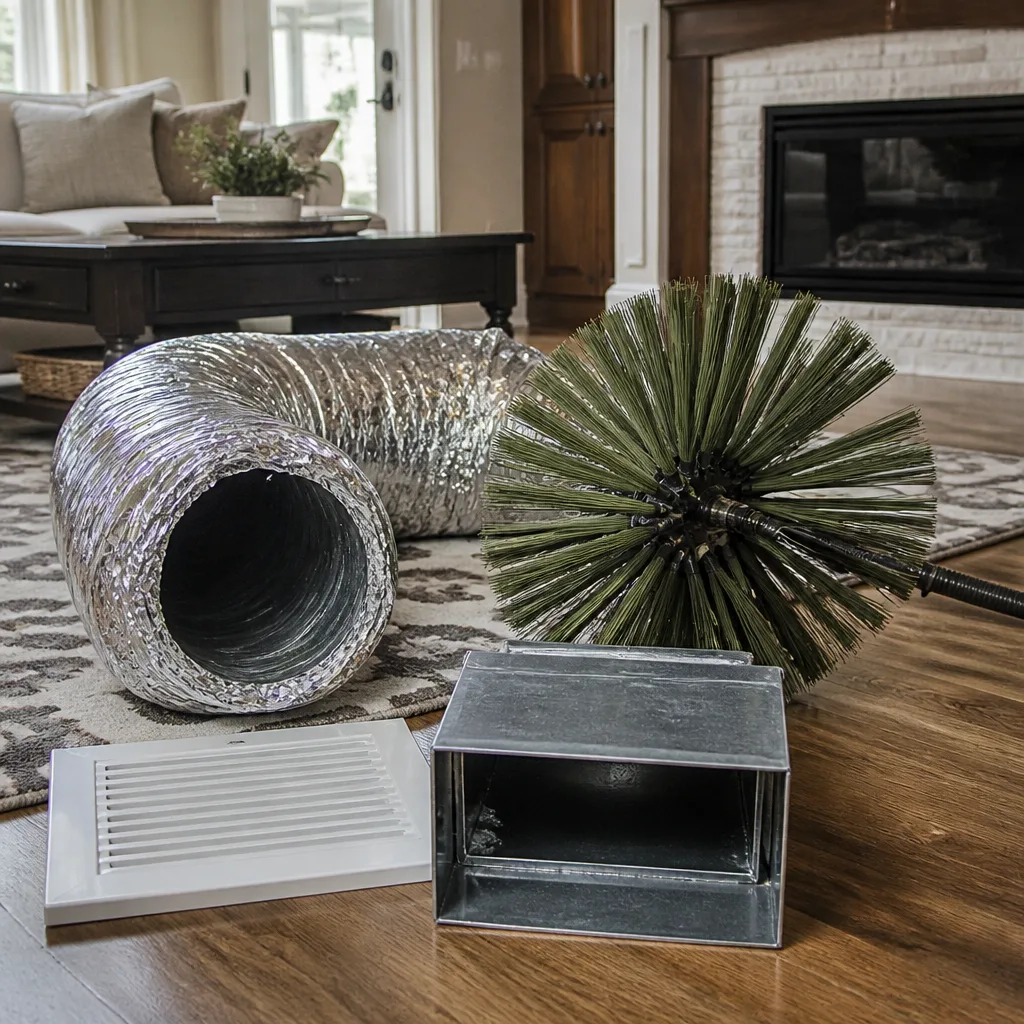 Whole-home duct cleaning
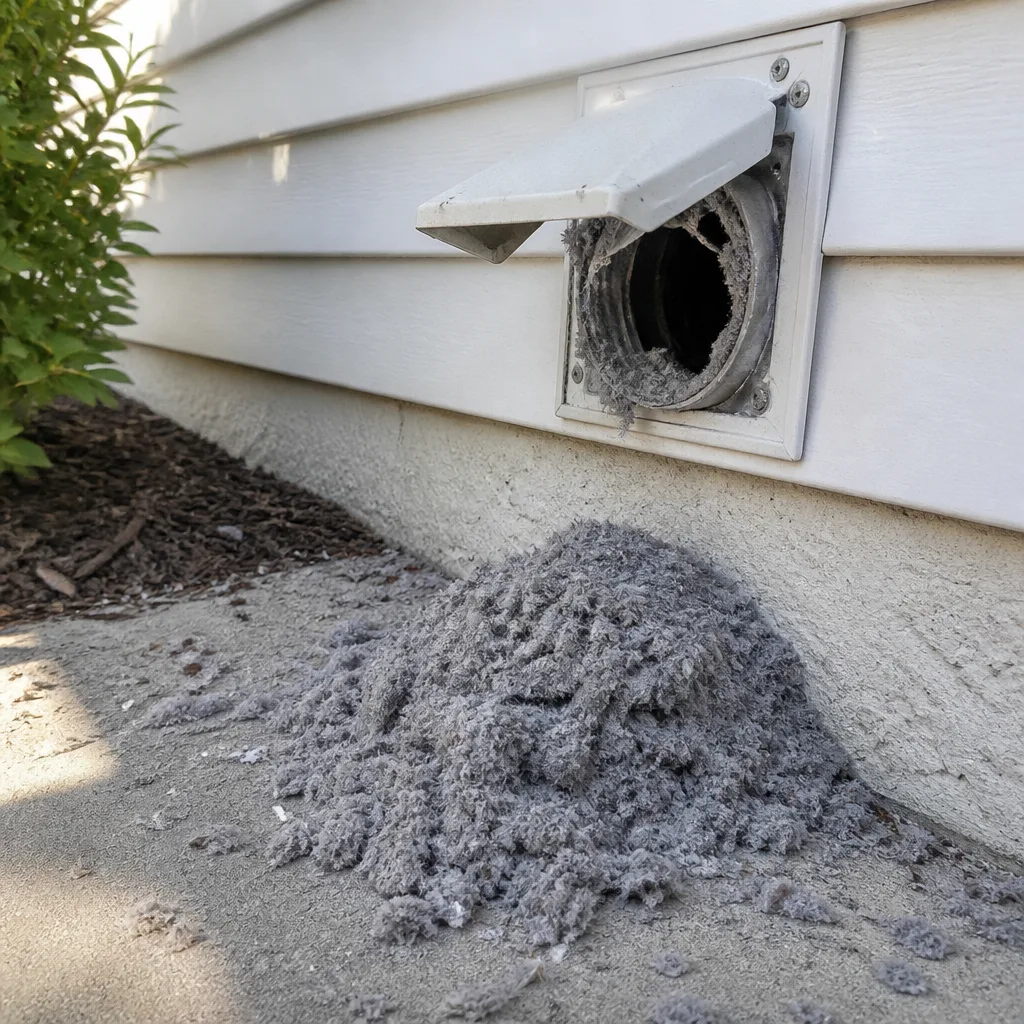 Dryer vent cleaning
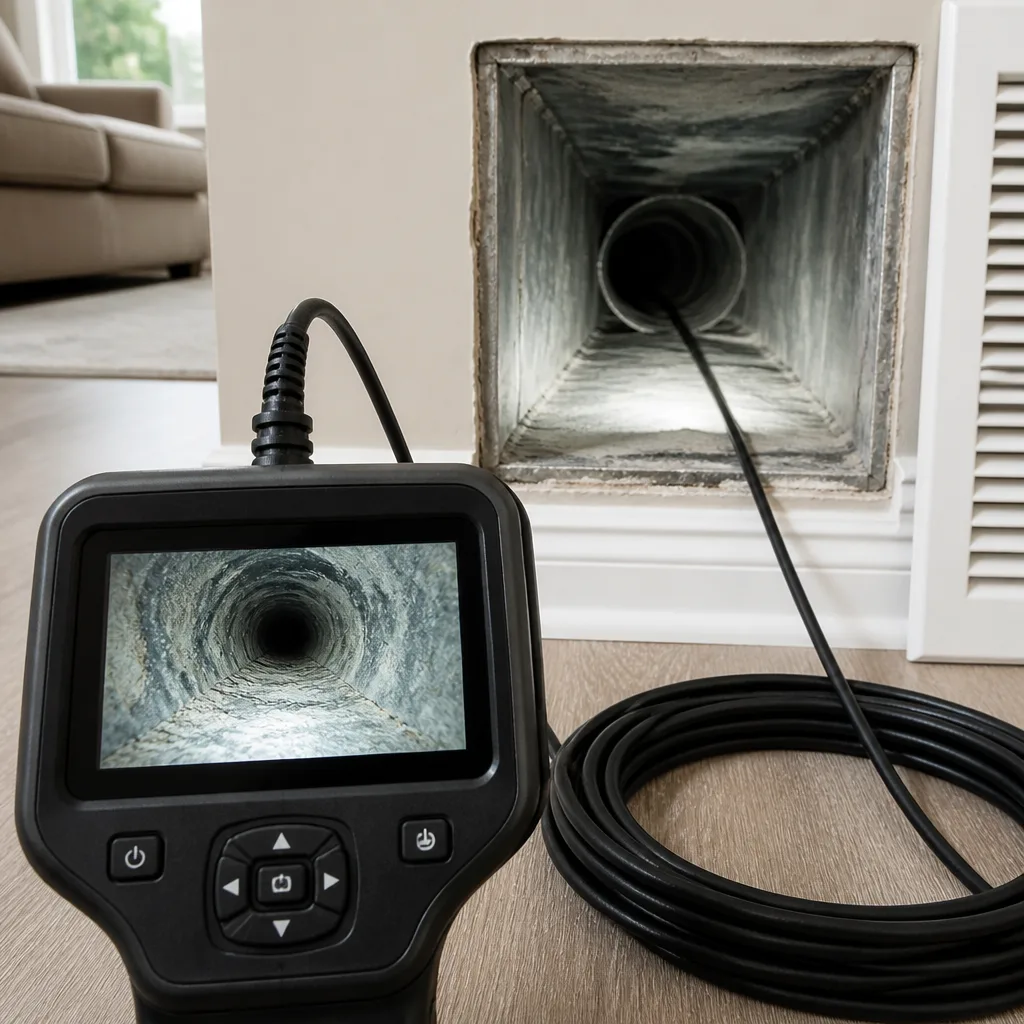 Camera inspection
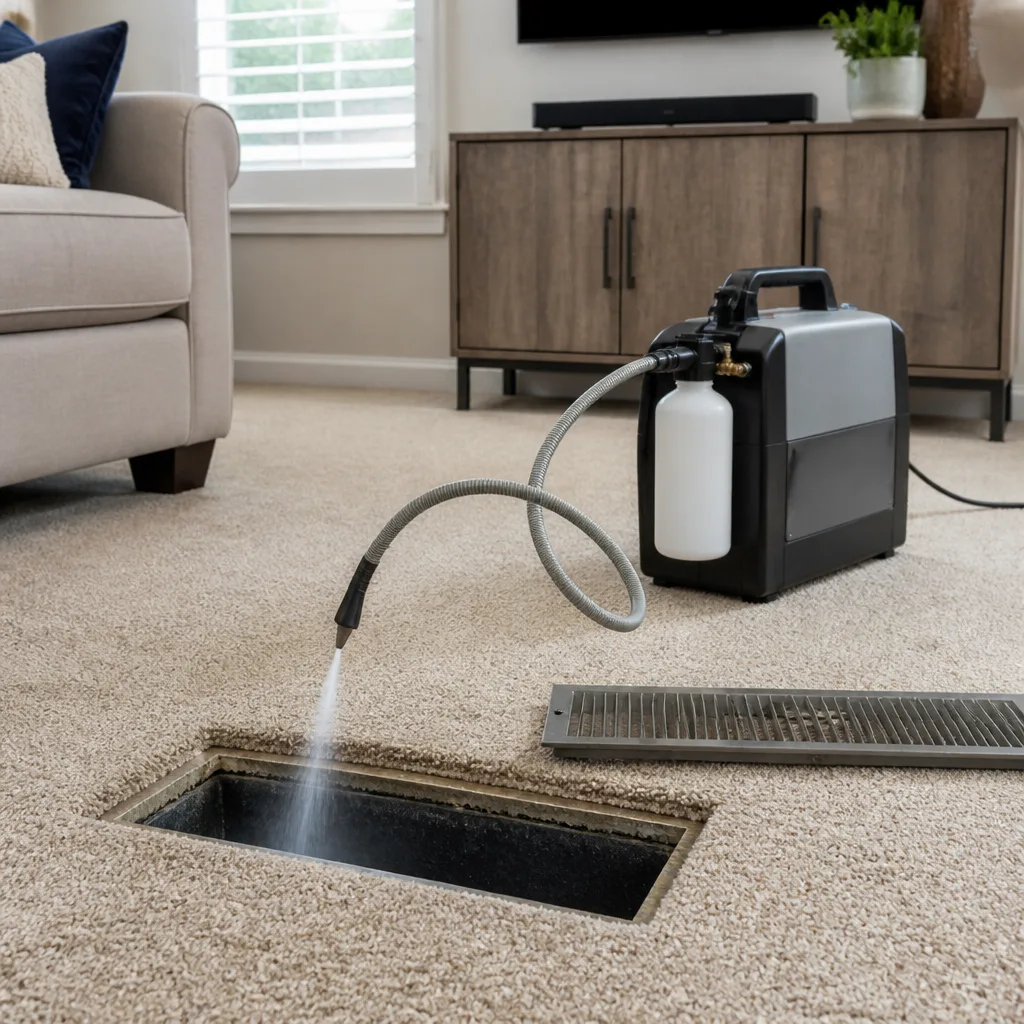 Sanitizing & deodorizing
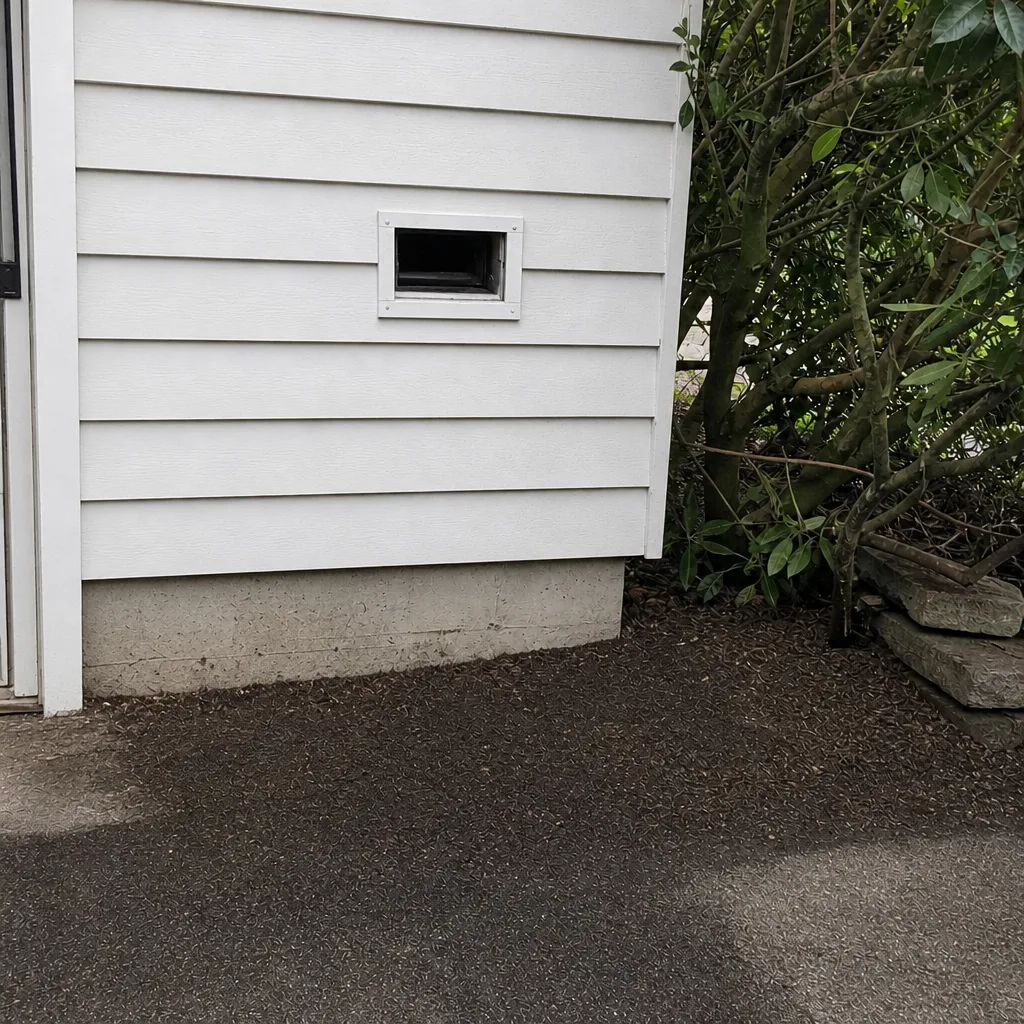
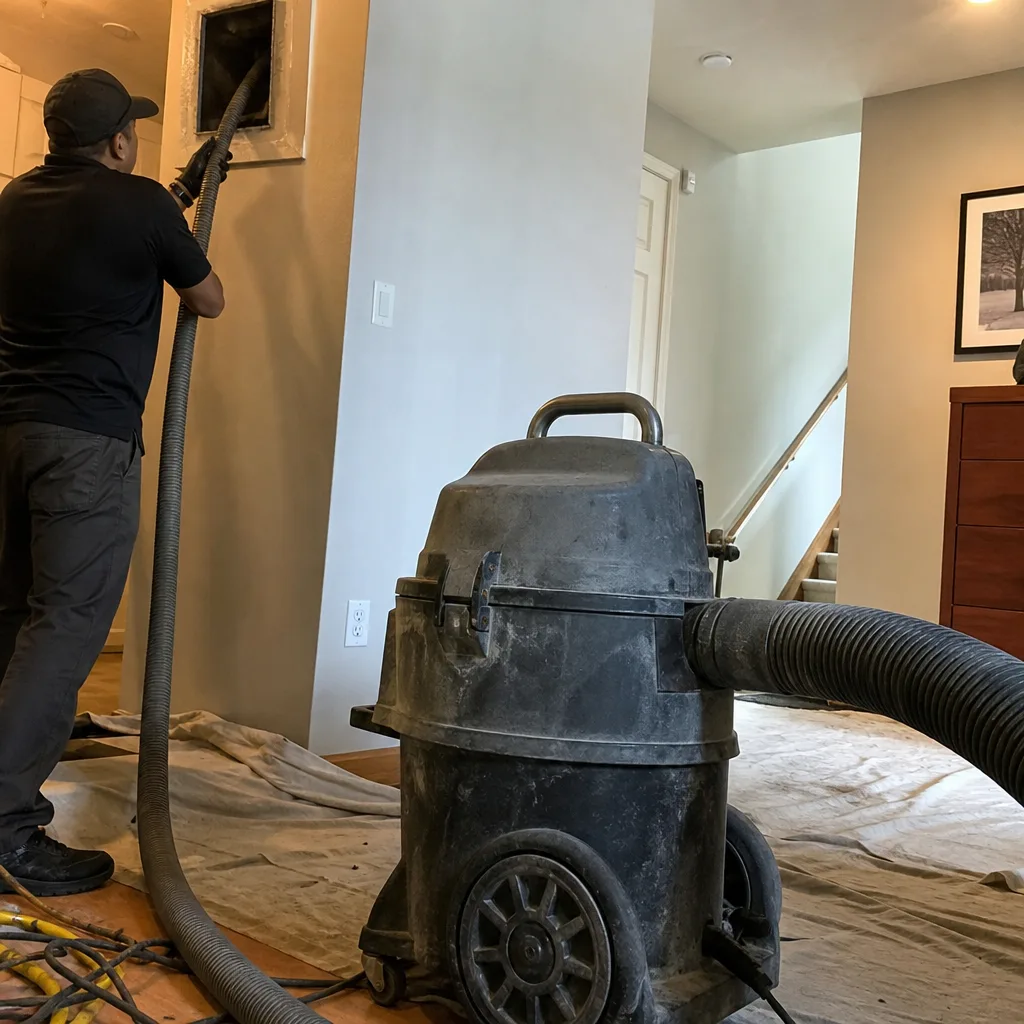
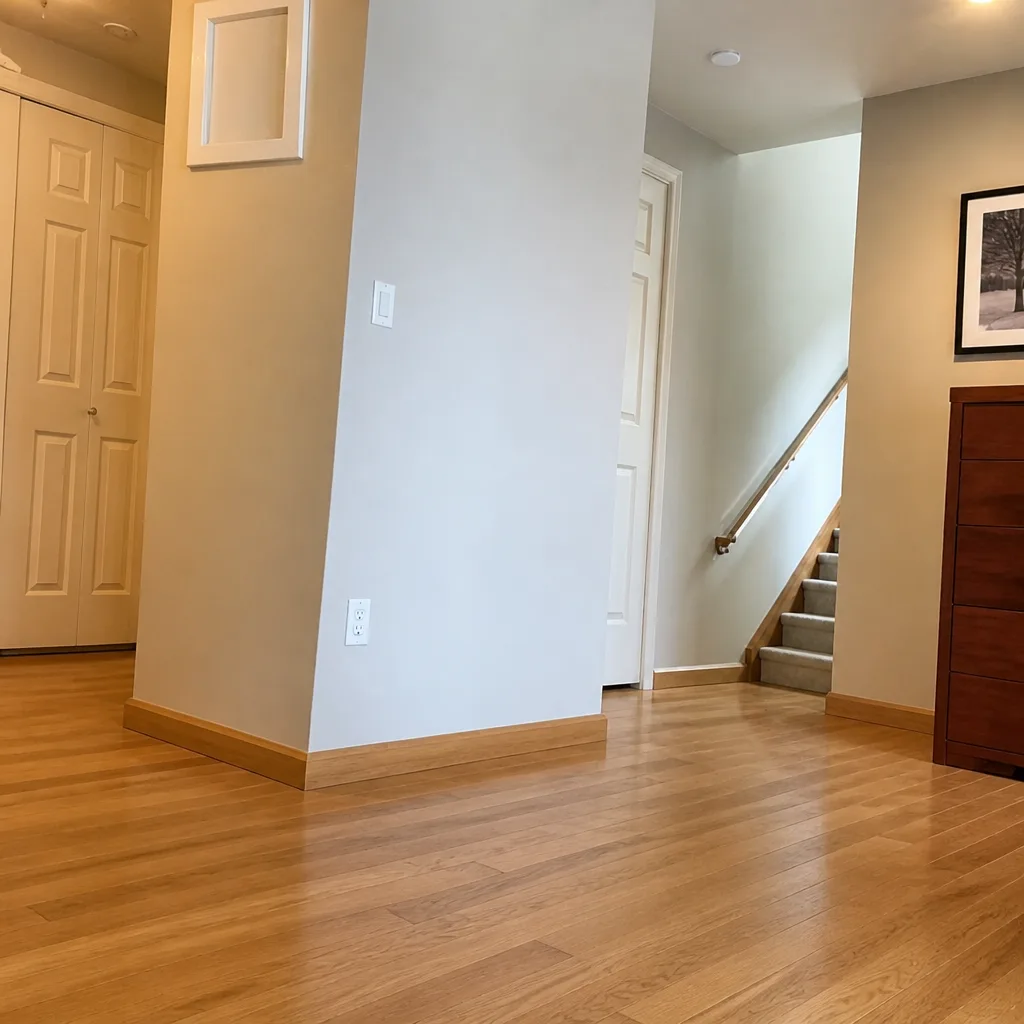
Whole-system duct and dryer vent check with before-and-after photos - you see exactly what came out of your vents
That "$99 whole-house special" is a bait ad - the real number appears once they are in your hallway, or the "clean" is a shop-vac at the register. We photograph the inside of your ducts before and after instead.
Air Duct Cleaning Permits, Codes & Inspections in Bellevue, WA: What You Need to Know
Cleaning the inside of your ducts is routine maintenance, and routine maintenance almost never needs a permit. The trap is what happens next. A crew arrives for a standard cleaning, notices a disconnected run or a plenum that has pulled away from the air handler, and offers to “just fix it while we’re here.” That repair is mechanical work. In Bellevue, it can cross the line from maintenance into a permitted alteration, and nobody tells you until a buyer’s inspector flags it during a home sale. This guide explains when permits apply to duct work, when they don’t, and what documentation to keep. We’ll also cover how sanitizing agents are regulated in Washington and what condo and HOA owners need to know about shared systems.
Quick Answer
Cleaning and sanitizing air ducts in Bellevue is permit-exempt routine maintenance under the Washington State Mechanical Code (WAC 51-52), but repairs that alter or replace duct runs, plenums, or connected equipment can require a mechanical permit through Bellevue Development Services. If your contractor repairs ductwork during a cleaning visit, ask whether the work triggered a permit and get documentation of code-compliant installation for your records.
Styles & brands we work with
- Whole-home duct cleaning
- Dryer vent cleaning
- Camera inspection
- Sanitizing & deodorizing
Table of Contents
- Cleaning vs. Repair: Where the Permit Line Sits
- What the Washington State Mechanical Code (WAC 51-52) Requires
- Bellevue Development Services: What Triggers a Mechanical Permit
- How Duct Sanitizing Agents Are Regulated in Washington
- Documentation to Request for Sale Disclosure and Insurance
- HOA and Condo Considerations for Shared Duct Systems
- What a Duct Work Inspection Actually Checks
- Bellevue Climate, Housing Stock, and Why Sealing Matters
Cleaning vs. Repair: Where the Permit Line Sits
The cleanest way to think about this is to separate what touches the air inside your ducts from what changes the duct system itself. Cleaning removes accumulated dust, debris, and contamination from a system that stays physically as it was built. Repair changes the system: it reconnects, replaces, reseals, or reroutes part of the air pathway. Bellevue homeowners who understand that distinction can look at a contractor’s scope of work and immediately tell which category they’re in.
Cleaning, in code terms, sits in the same place as changing a filter or vacuuming a register. Nobody permits that. When a technician uses a Rotobrush contact cleaner on the interior walls of a run, or pulls negative pressure with Nikro HEPA equipment, the ducts are being serviced, not modified. Same shape, same connections, same function.
Repair is a different animal. Duct Repair & Sealing as a standalone service typically involves:
- Reconnecting a run that has separated at a joint or collar
- Replacing a length of flex duct that has collapsed, torn, or been crushed
- Resealing a plenum or transition where the ductwork meets the air handler
- Sealing joints along accessible trunk lines with mastic or code-approved tape
- Adding a new run, relocating a register, or extending ductwork into a finished space
The first four are the tricky middle ground – sometimes permitted, sometimes not, depending on scope and whether the repair changes the design of the system. The fifth is almost always permitted work. Any time you’re adding capacity or moving air to a place it wasn’t originally designed to go, that’s an alteration, and alterations get permits.
Here’s where Bellevue’s older neighborhoods get interesting. In the mid-century homes around Crossroads and Lake Hills, original duct systems were sized for the equipment of their era. A technician who reconnects a run in a house like that may find the layout no longer matches how the system is actually being used after decades of small remodels. What looks like a simple reconnection can turn into a design question, and design questions belong in a permit application.
The takeaway for a homeowner is procedural, not technical: ask your contractor, before work starts, whether the scope of the visit is cleaning only or includes repair, and if it includes repair, ask whether a permit is required for that specific repair. A contractor who handles this question calmly has done it many times. One who brushes it off is telling you something.
What the Washington State Mechanical Code (WAC 51-52) Requires
Washington State adopts its mechanical code through the Washington Administrative Code, and WAC 51-52 is the chapter that governs mechanical systems, including ductwork. The code covers installation, alteration, repair, and replacement of mechanical systems and their components. It’s written for contractors and inspectors, but a homeowner who understands a few of its organizing ideas can ask much better questions.
Several provisions matter for duct work specifically. They aren’t complicated, but they’re specific:
- Materials and joining methods. Duct systems must be installed with materials and joining methods approved for the application. That means mastic, code-listed tape, or mechanical fasteners, not generic duct tape that dries out and fails.
- Support and routing. Ducts must be supported at required intervals and protected where they pass through unconditioned space, which is the crawl space or attic in most Bellevue homes.
- Sealing of the air distribution system. The code addresses sealing of joints and connections to limit leakage. This is the provision that makes people think “sealing = permit,” which is a misread – the code requires sealing, but the permit threshold is a separate question handled by the local jurisdiction.
- Clearances and combustion air. Ducts that pass near heat sources, or that interact with a combustion appliance’s air supply, have clearance and combustion air requirements that matter in tighter configurations.
- Alterations require compliance. When a system is altered, the altered portion has to meet the current code, not the code in effect when the house was built.
The “alteration” language is the hinge. Cleaning isn’t an alteration. A repair that restores a component to its original function usually isn’t treated as one either. But a repair that changes capacity, routing, or the number of points served is an alteration, and it’s at that moment that the code’s full requirements – and Bellevue’s permit process – come into play.
One practical note from our side of the work: the code’s sealing provisions exist because duct leakage is real and measurable. In a house where the trunk line runs through a vented crawl space, unsealed joints can lose a meaningful share of the air the system produces before it reaches a room. Sealing isn’t a cosmetic add-on. It’s the code catching up with the physics.
Bellevue Development Services: What Triggers a Mechanical Permit
Bellevue’s permit authority sits with Bellevue Development Services, and the department publishes permit requirements and forms through the city’s website. Mechanical permits are separate from building permits and are generally required for installation, alteration, and replacement of mechanical systems. The city distinguishes between permitted work and routine maintenance, and duct work falls on both sides of that line depending on scope.
In practical terms, here’s how the categories usually break down for a Bellevue residential project:
- Permit-exempt: Cleaning and sanitizing of existing ductwork. Filter changes. Minor repair of a single accessible component that restores original function without changing the system’s design.
- Often permitted: Replacing a substantial portion of a duct system, relocating or adding registers, extending a run into a newly finished area, or replacing a plenum or major component where the work changes the system configuration.
- Usually permitted: Any duct work connected to a new or replacement HVAC unit, since the equipment installation itself requires a mechanical permit and the connected duct work is part of the scope.
The right move is to call Bellevue Development Services directly and describe the specific scope. Permit counter staff are used to these questions, and asking about a short list of work items takes one call. Describe what’s being changed, not what’s being cleaned, and you’ll get an answer that’s specific to your project. The city also publishes permit forms and fee schedules online, and looking up the current forms yourself takes five minutes and removes a lot of guesswork.
Two Bellevue-specific wrinkles worth knowing. First, properties within designated critical areas or in some older platted subdivisions can face additional review that has nothing to do with the duct work itself but can slow an approval. Second, some Bellevue neighborhoods sit within a homeowners association with its own design review board, so an HOA approval can run in parallel with city review and delay the project if you sequence them wrong.
Whoever pulls the permit, the inspection is the point. A mechanical inspection on duct work checks that the components are installed as shown, that materials and joining methods meet code, and that clearances and sealing requirements are met. Failing an inspection and correcting afterward costs more than permitting upfront, which is a straightforward calculation.
If duct repair and sealing is being scoped as part of a larger HVAC project, the two should be coordinate – our HVAC cleaning service is where we see most of these connections come up, and knowing which side of the permit line each piece falls on keeps the whole job clean.
How Duct Sanitizing Agents Are Regulated in Washington
Here’s a piece of this puzzle most homeowners never think to ask about. Duct cleaning is physical work. Duct sanitizing involves applying a chemical or antimicrobial product inside the air distribution system, and in Washington, that product is regulated by the state Department of Ecology under pesticide rules.
In practical terms, that means:
- The product must be registered. Any sanitizing agent applied inside ductwork should carry an EPA registration, and the applicator is supposed to use it according to its label. “All-natural” doesn’t exempt anything from this framework.
- The application method matters. Fogging equipment that disperses the product through the entire system has specific label directions about concentration, dwell time, and ventilation afterward, and a qualified technician follows them.
- You can ask what’s being applied. Any contractor you hire should be able to tell you the product name, show you its label, and explain why that product suits your situation. They should also be able to tell you whether the specific concern you have – mold-like staining, pet odor, post-construction debris – is best handled by sanitizing, by surface cleaning, or by sealing the source of the problem.
We stock Abatement Technologies products for this exact reason – some of the jobs we see in Bellevue, particularly after a remodel or a moisture problem in a crawl space, call for a stronger contamination approach than a routine cleaning. Sanitizing a system with an active moisture problem and no address of the moisture is wasted money; the growth returns. That’s why our approach sequences cleaning first, then any sanitizing, then sealing, so the result holds.
One honest note. Sanitizing is not a substitute for cleaning, and no product fixes a duct system that is drawing damp air from an unsealed crawl space. If a contractor leads with sanitizing before discussing cleaning and source control, ask why.
Documentation to Request for Sale Disclosure and Insurance
Washington is a seller-disclosure state, meaning residential sellers disclose known material defects and work history. Permitted work appears in the public record. Unpermitted work doesn’t, and when a buyer’s home inspector notices a newer duct repair with no matching permit, the resulting questions can delay or cost a closing. If the seller can’t produce documentation, the buyer typically asks for a credit, an allowance, or a re-inspection.
The fix is to collect the paperwork when the work happens. Ask for these documents and keep them with your home records:
- Written scope and estimate that distinguishes cleaning from repair, with the specific components named
- Permit number and inspection results if the repair required a permit – the inspector’s sign-off is the document
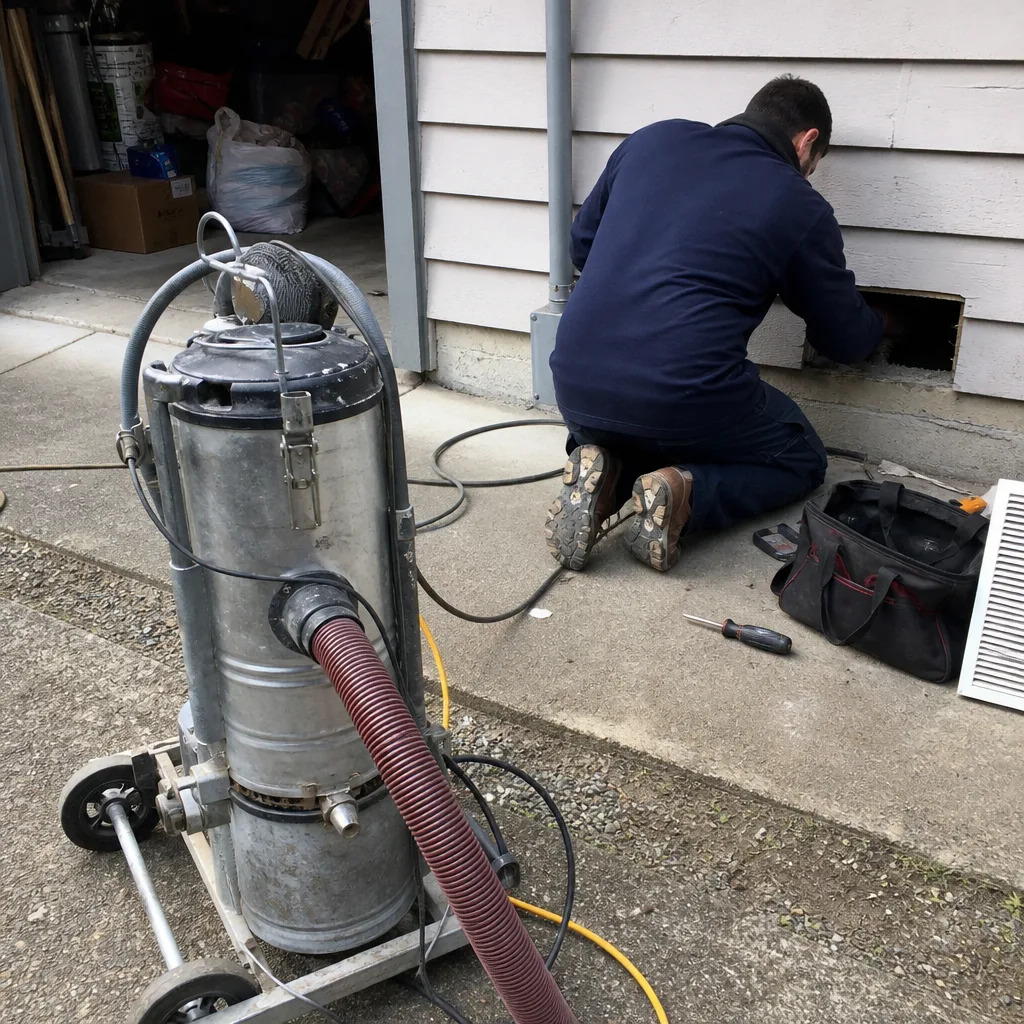
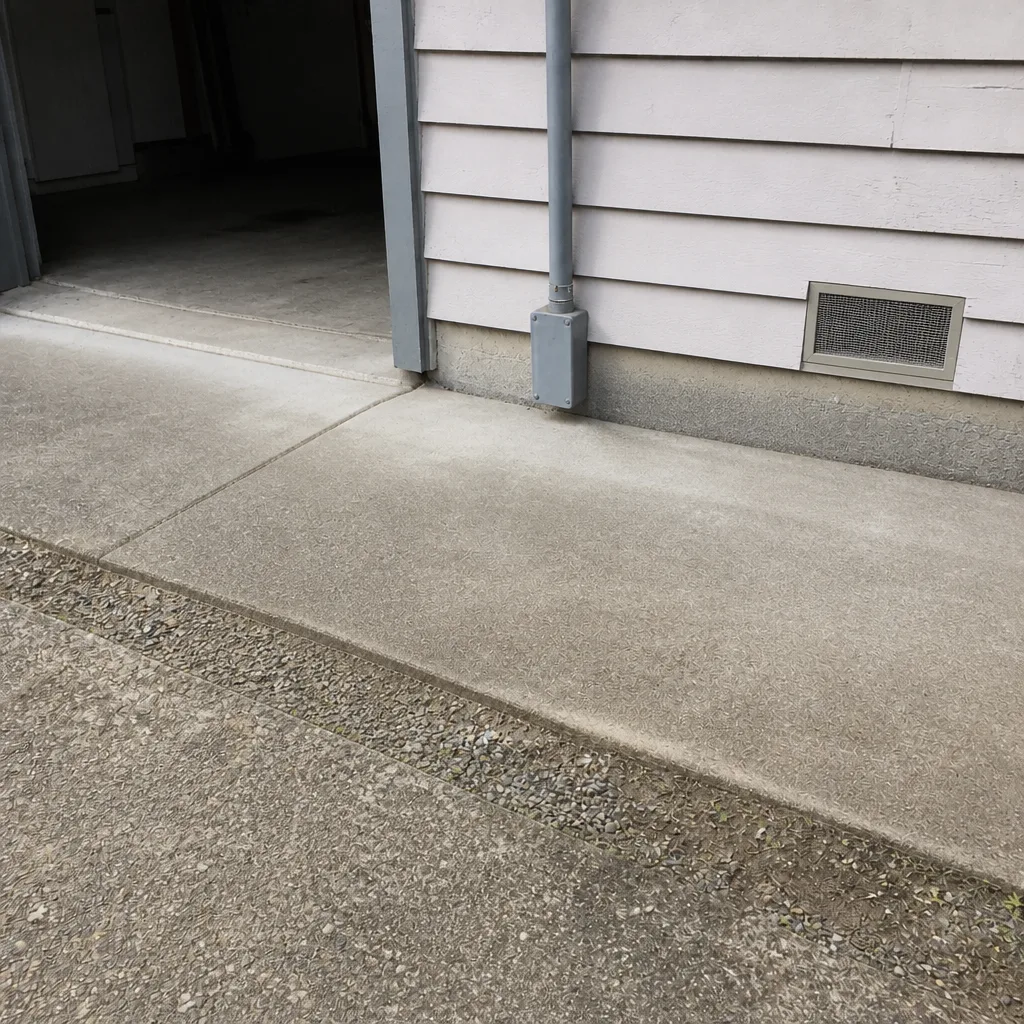
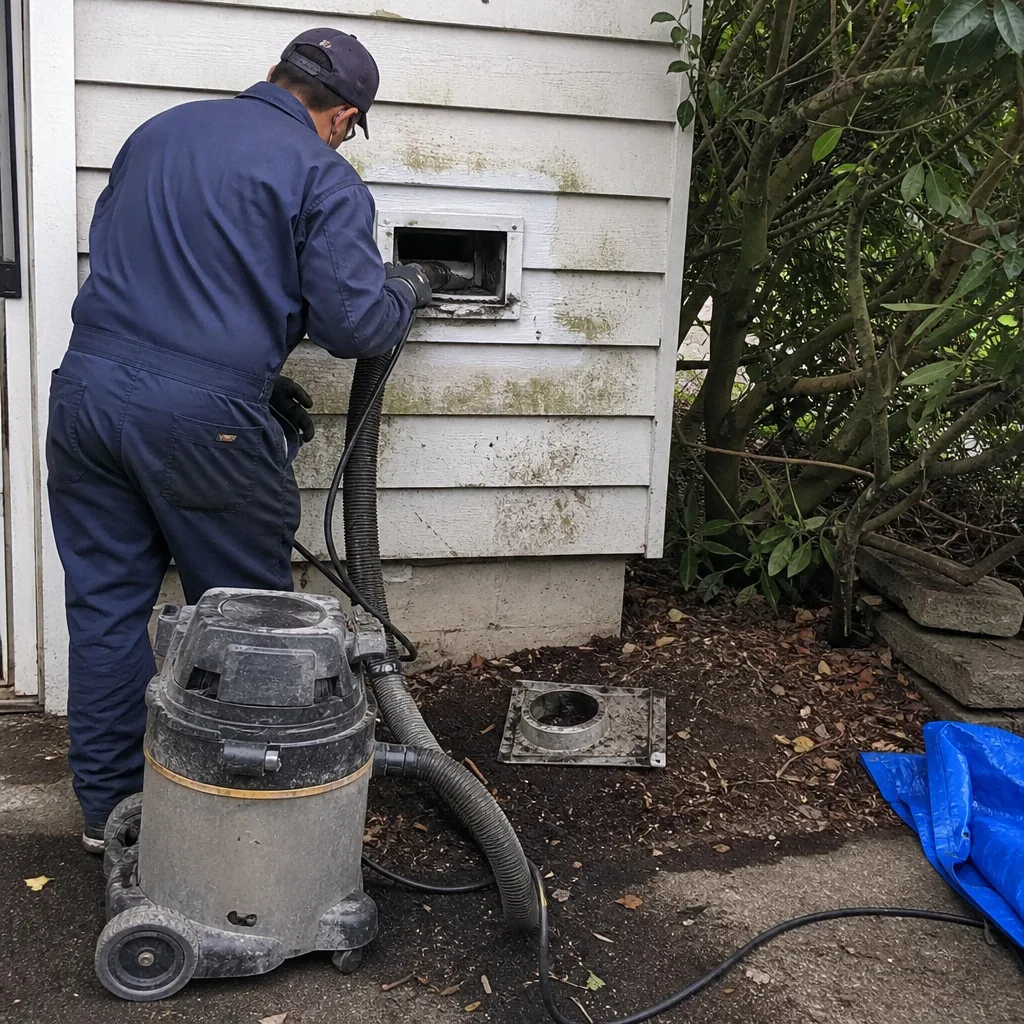
- Before-and-after photos of your own ducts, which close the “how do I know the work was actually done” question
- Product documentation for any sanitizing or sealing materials, including the product name and label information
- A written statement of what was repaired that’s specific enough for a future inspector to understand the change
For insurance, the calculus is a little different. Most claim adjustments don’t ask about duct cleaning, but if a duct-related loss – say, a disconnected duct over a finished ceiling, or a dryer vent fire – enters a claim, the adjuster will want to know whether the system was maintained and whether any repair was done properly. Permitted, documented work closes those questions. Unpermitted work invites a denial-and-dispute process that takes months to resolve, which is a worse outcome than the permit fee itself.
Our own process covers this end of the job by default. We provide a written scope with each estimate, we photograph the ducts before and after cleaning, and when a repair touches permitted work we make sure the paperwork reaches you, not just the file. That’s part of the reasoning behind how we run air duct cleaning in the city, and it’s what we’d recommend from any contractor.
HOA and Condo Considerations for Shared Duct Systems
Bellevue has a significant multi-family and condo inventory, particularly in Redmond-adjacent downtown residential towers, the Spring District, and along the Eastside rail corridor. In these buildings, duct work has a layer of approvals that a single-family homeowner never deals with.
The first question in any multi-family building is structural, not technical: where does your duct system end and the shared system begin? A unit’s local ductwork runs from a shared air handler or rooftop unit into the unit. The equipment itself and everything between it and the building’s exterior is usually common property. From the point of entry into your unit, the ductwork is usually your maintenance responsibility, but the exact boundary is set by the building’s governing documents, not by custom.
- Check the governing documents first. The CC&Rs, or the building’s rules and regulations, define who owns what and which work requires written HOA approval. In some Bellevue buildings that approval is a form submitted to a building manager; in others it’s a board meeting agenda item.
- Expect approval for any repair that touches shared components. If your proposed repair would disconnect, re-route, or modify a shared plenum, expect the HOA to require approval and possibly an inspection by the building’s engineer.
- Some buildings prohibit individual sanitizing of shared systems. This is common and logical. If your unit’s ducts share a return with two others, applying an antimicrobial product into your run can affect air in theirs. In that situation, the building usually arranges cleaning building-wide through a single vendor.
- Insurance follows the governance structure. Your unit policy and the association’s master policy cover different portions of the system. Knowing where the line is at the outset saves a dispute if something goes wrong.
For property managers, the same structure applies at building scale. A single-visit, full-scope service is a genuine advantage in a multi-unit building, because cleaning, repairing, and sanitizing the entire air pathway in one coordinated pass keeps the air quality outcome consistent unit-to-unit and keeps the traceable documentation in one place.
What a Duct Work Inspection Actually Checks
If your work requires a permit, here’s what the inspection visit involves, and what an inspector will and won’t be looking for. Knowing this lets you show the work in its best light.
- Installed-as-permitted. The inspector compares what’s in the house to what the permit drawings show: run lengths, register locations, component types.
- Materials and joining. The materials must be listed and the joining methods must match code, meaning mastic or code-approved tape at joints, not tape alone.
- Support and clearances. Ducts need the required support spacing and clearance from heat sources and combustibles.
- Sealing at connections. Joints, collars, and plenum connections should be sealed. This is where many inspections find small problems that are cheap to fix and annoying to have flagged.
- Access for future cleaning. In some configurations, the inspector will want to see accessible cleanouts or panels. It’s worth asking about this during design.
A professional crew expects the inspection and prepares for it. The parts that catch DIY and discount-inspection jobs are almost always the small ones: a run supported too far apart, a joint with only tape, a plenum that was never sealed to the trunk. These are inexpensive to correct on a scheduled visit and expensive to discover through a buyer’s inspector six months later, which is the whole reason this guide exists.
If your duct work is part of a larger HVAC maintenance scope, the inspection sequence gets more complex and it’s worth mapping it out before you start. Related systems, like dryer vent cleaning that reduces fire risk, sometimes need inspection as well, and bundling the visits is cheaper than splitting them. Our dryer vent cleaning work frequently comes up in the same scoping conversation.
Bellevue Climate, Housing Stock, and Why Sealing Matters
Bellevue’s climate is mild and wet. That’s a good climate for a heat pump and a hard one for ductwork in unconditioned space. Homes with ducts running through vented crawl spaces – a large share of the housing stock in Bellevue’s older neighborhoods – deal with outdoor-wet air cycling through those crawl spaces all winter. A sealed duct system is more valuable in this climate than in a dry one, because the consequences of leakage are dampness, not just heat loss.
Our technicians have up to 8 years of experience, and the pattern we see repeatedly is that Bellevue’s mid-century homes in areas like Crossroads, Lake Hills, and the older stretches near downtown have well-worn duct systems that were designed for the equipment of their era. The ducts themselves usually aren’t failing. The joints are. Flexible duct with a torn outer jacket, mastic that has dried and flaked, a plenum collar that loosened during a prior remodel – these are normal wear. The fix is straightforward: clean the system, seal what’s leaking, and document it. That’s why we treat Duct Repair & Sealing as a standalone service and not as an optional add-on to cleaning.
Air quality upgrades make the results last. We work with Honeywell, Aprilaire, and Guardsman product lines on filter and air quality recommendations that go beyond a one-time cleaning, because filters sized correctly and replaced on schedule keep a cleaned system cleaner longer. If your home already has a whole-home filter or humidifier, part of the cleaning process includes checking that the connected equipment still fits the system and isn’t fighting it.
If you’d like to see how this full arc fits together, our home page describes the whole scope at Bellevue Air Duct Cleaning Pros.
Common Mistakes to Avoid
- Letting “we’ll just fix it while we’re here” happen without a paper trail. A contractor who offers to reattach a disconnected duct during a cleaning visit without discussing whether a permit applies has done you no favor if that repair later comes into question during a sale.
- Assuming cleaning covers repair. Cleaning is cleaning. Repair is a separate scope with its own price, documentation, and sometimes its own permit. If your estimate doesn’t separate them, ask for the separation in writing.
- Not asking which sanitizing product is applied. In Washington, the product should be registered and applied per its label. A contractor who can’t name the product and show you its label is telling you something.
- Pulling one permit for a multi-part project in Bellevue. A mechanical permit and building permit are separate, and so are the inspections. Skipping one on the assumption that the other covers it is a common shortcut, and the inspection will find it.
- Choosing the cheapest quote without asking what’s excluded. The low number often leaves out repair, photos, or any documentation. It’s not a cheaper job; it’s a shorter one.
- Skipping the HOA call in a condo building. Bellevue’s condo buildings frequently require written HOA approval for any work touching shared components, and proceeding without it can void your unit coverage on that scope.
- Not keeping the paperwork. Before-and-after photos, the written scope, the permit number if there was one, and the sanitizing product label are the four documents you’ll want at sale. None of them take long to collect when the work is happening.
See the difference
 Before
 After
 Before
 After
 Before
 After
When to Call a Professional
Some situations are straightforwardly a call rather than a project. If your ducts haven’t been cleaned in years, and you’ve had a remodel, or a family member with allergies has moved in, or the vents blow visible dust, a cleaning visit is the place to start. If you’re prepping a home in Bellevue for sale and you know an unpermitted duct repair is in the history, get it inspected and documented now rather than during the transaction. If a dryer vent is clogged – the leading cause of residential dryer fires – that’s not a duct-cleaning question, it’s a safety issue with a one-visit fix. And if you’re a property manager deciding on a building-wide scope, an assessment visit up front is cheaper than discovering mid-project that one unit’s ductwork needs a permit the rest don’t.
Bellevue Air Duct Cleaning Pros offers free estimates in Bellevue – call (855) 337-2032. Our technicians have up to 8 years of experience, they work with Rotobrush and Nikro equipment, and repairs come with the written scope and photos you’ll need later. The estimate is free and the price is set per job by the written estimate.
Frequently Asked Questions
No – cleaning and sanitizing air ducts in Bellevue is permit-exempt routine maintenance. A mechanical permit becomes relevant when the scope includes repairs that alter duct routing, capacity, or connected components. If your visit includes repair and not just cleaning, ask the contractor specifically whether a Bellevue Development Services mechanical permit is required for the repair. Call (855) 337-2032 for an exact quote – estimates are free.
Typical estimates in the Bellevue market run roughly $350 to $700 for a standard single-family home with an accessible system, with repair and sealing priced separately. Whole-system pricing, not per-vent coupon pricing, is the honest way to quote it, because the number of registers isn’t the main cost driver. Call (855) 337-2032 for an exact quote – estimates are free.
Because they cover less. The cheapest quotes usually assume a single pass with portable equipment and leave out repair, photos, and any documentation. A professional visit uses contact cleaning and negative-pressure equipment – the same category of tools used on commercial jobs – and maps the full air pathway, which takes longer and shows up in the price. Call (855) 337-2032 for an exact quote – estimates are free.
Ask for before-and-after photos of your own ducts, a written scope that names the components cleaned, and – if repair was included – the repair documentation. Any contractor worth hiring expects that request and can satisfy it. A coupon operation without a written scope or photos gives you nothing to check against. Call (855) 337-2032 for an exact quote – estimates are free.
Not always. Sealing a joint or resealing a collar on an existing system typically falls into maintenance. Replacing a section of duct, relocating a register, or adding a run does need a permit. The distinction is whether the work restores the system to its original design or changes it. When in doubt, call Bellevue Development Services with the exact scope and ask directly. Call (855) 337-2032 for an exact quote – estimates are free.
For most Bellevue homes, every three to five years is reasonable, and sooner after a remodel, a moisture event, or a new pet or occupant with respiratory concerns. If your home has a whole-home filter and is well sealed, it can go longer. The right interval depends on the system, not the calendar. Call (855) 337-2032 for an exact quote – estimates are free.
The Bottom Line
Cleaning is permit-exempt. Repair sometimes isn’t. The line sits where the work stops restoring the system and starts changing it. Washington’s mechanical code through WAC 51-52 governs materials, joining, support, and sealing, and Bellevue Development Services decides what needs a mechanical permit. Sanitizing products fall under state pesticide rules, so ask what’s being applied and see the label. Keep the paperwork – written scope, permit number if applicable, before-and-after photos, product documentation – because it shows up again at sale or in an insurance claim. In condo buildings, check the governing documents before anyone touches shared ductwork. One crew, one visit, every service, and the documentation to match.
Call (855) 337-2032 for a free estimate. We answer 24/7. Fast dispatch from 7am to 7pm, Sunday through Friday.
Written by the team at Bellevue Air Duct Cleaning Pros.