
Last updated November 23, 2026
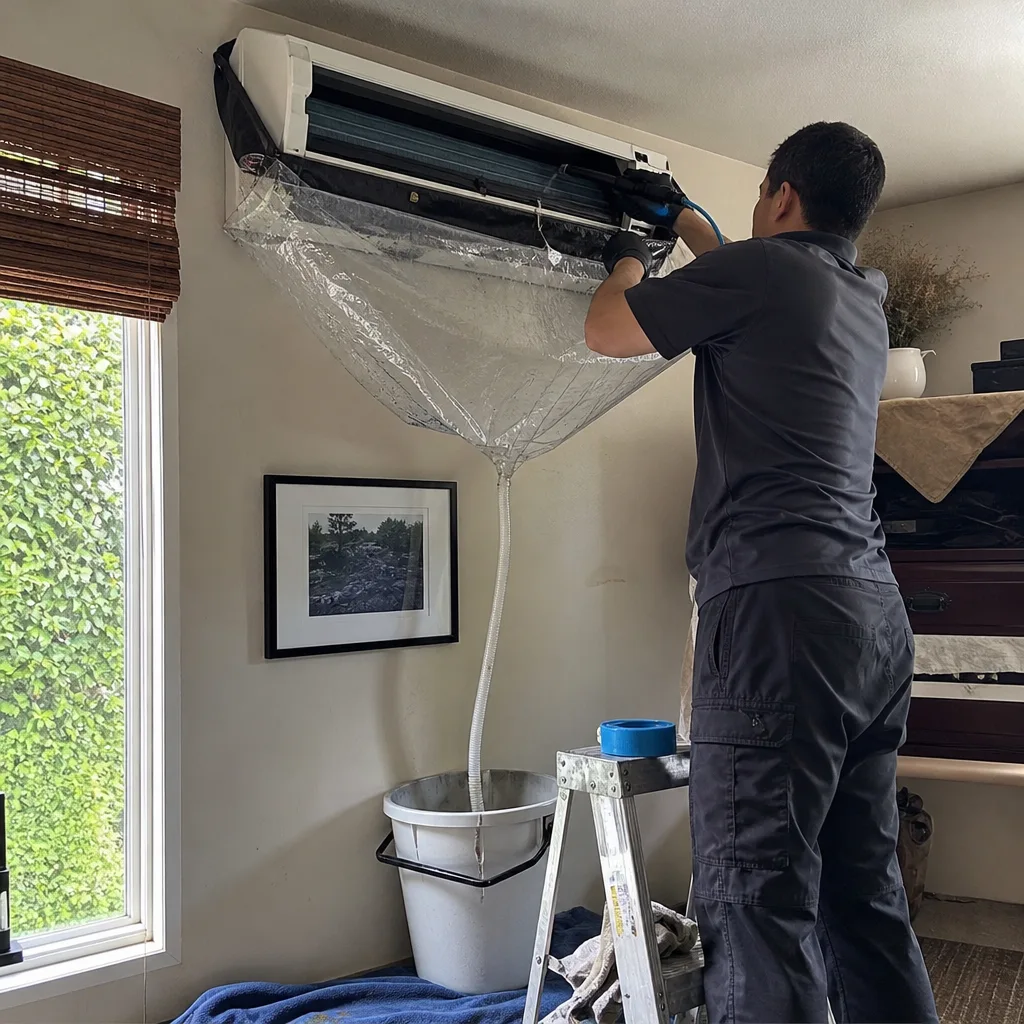
 Whole-home duct cleaning
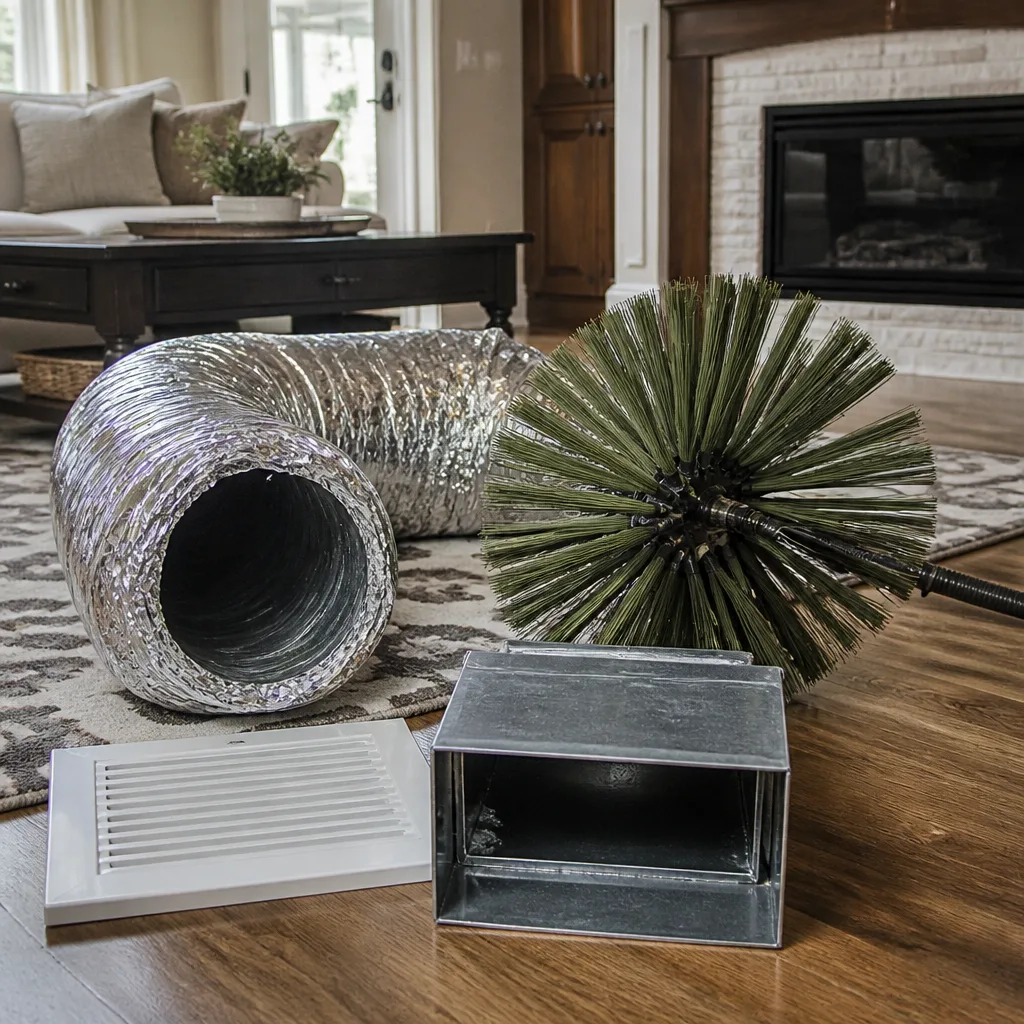
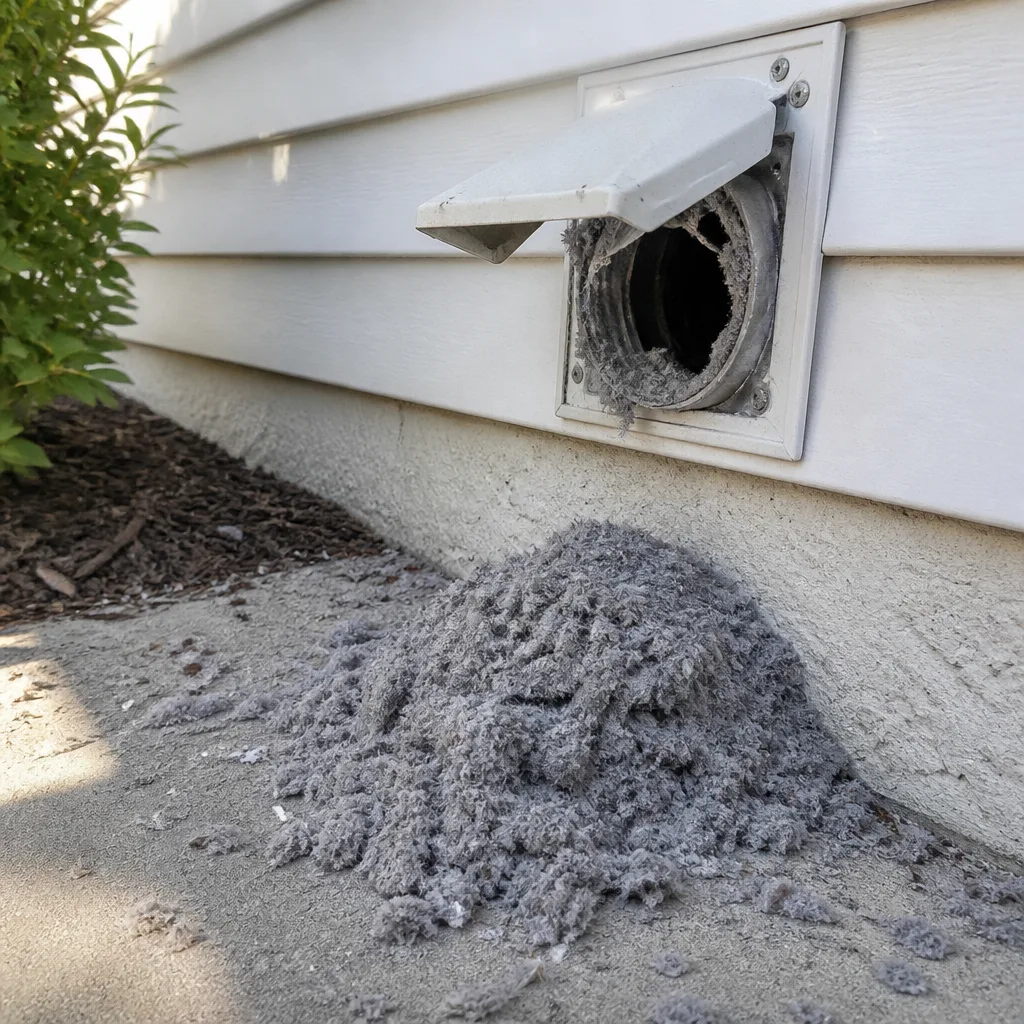 Dryer vent cleaning
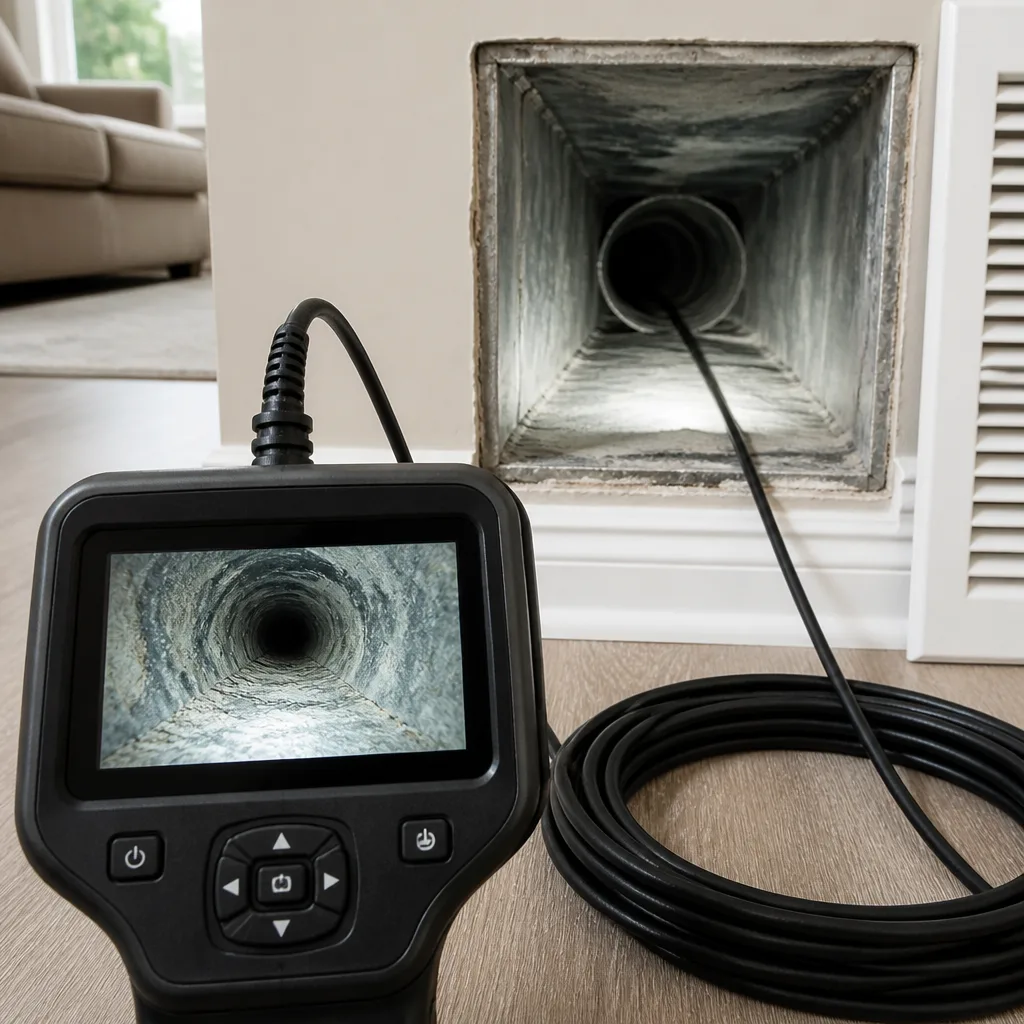 Camera inspection
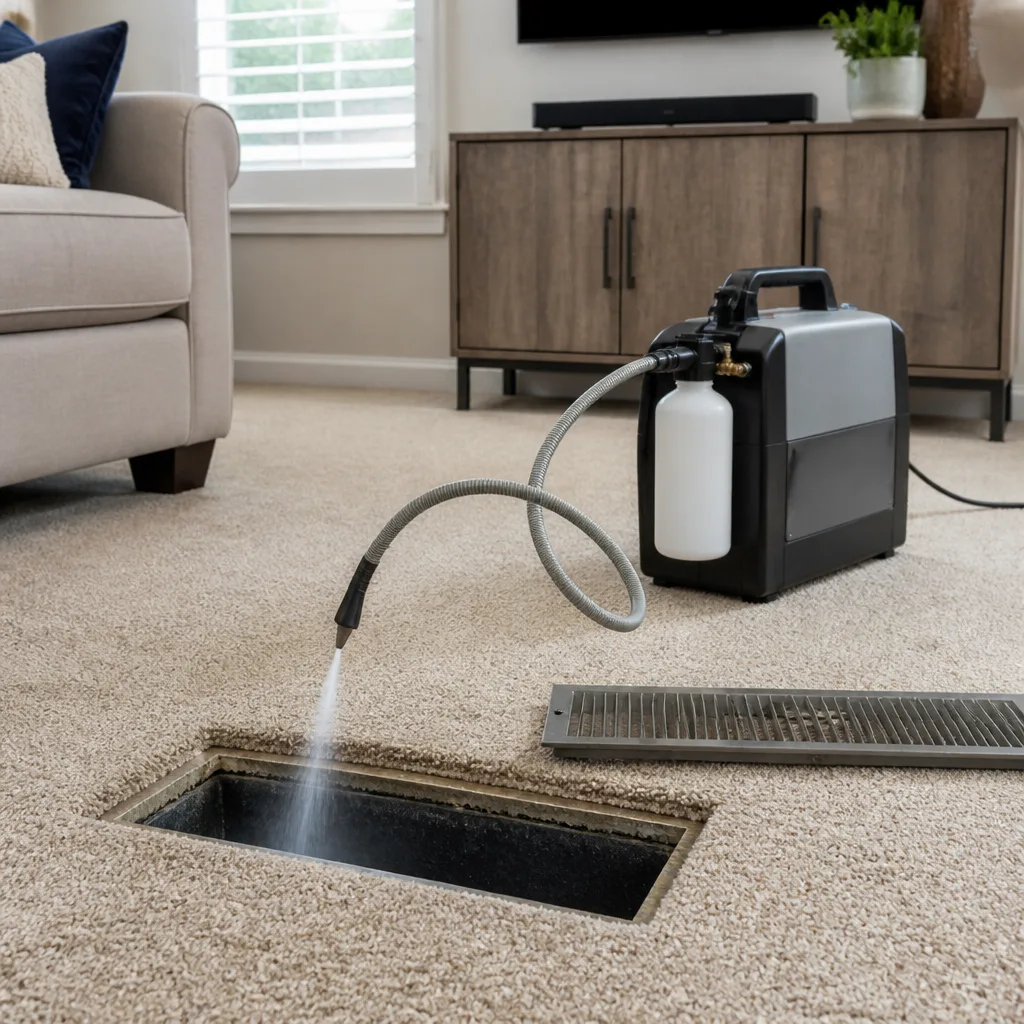 Sanitizing & deodorizing
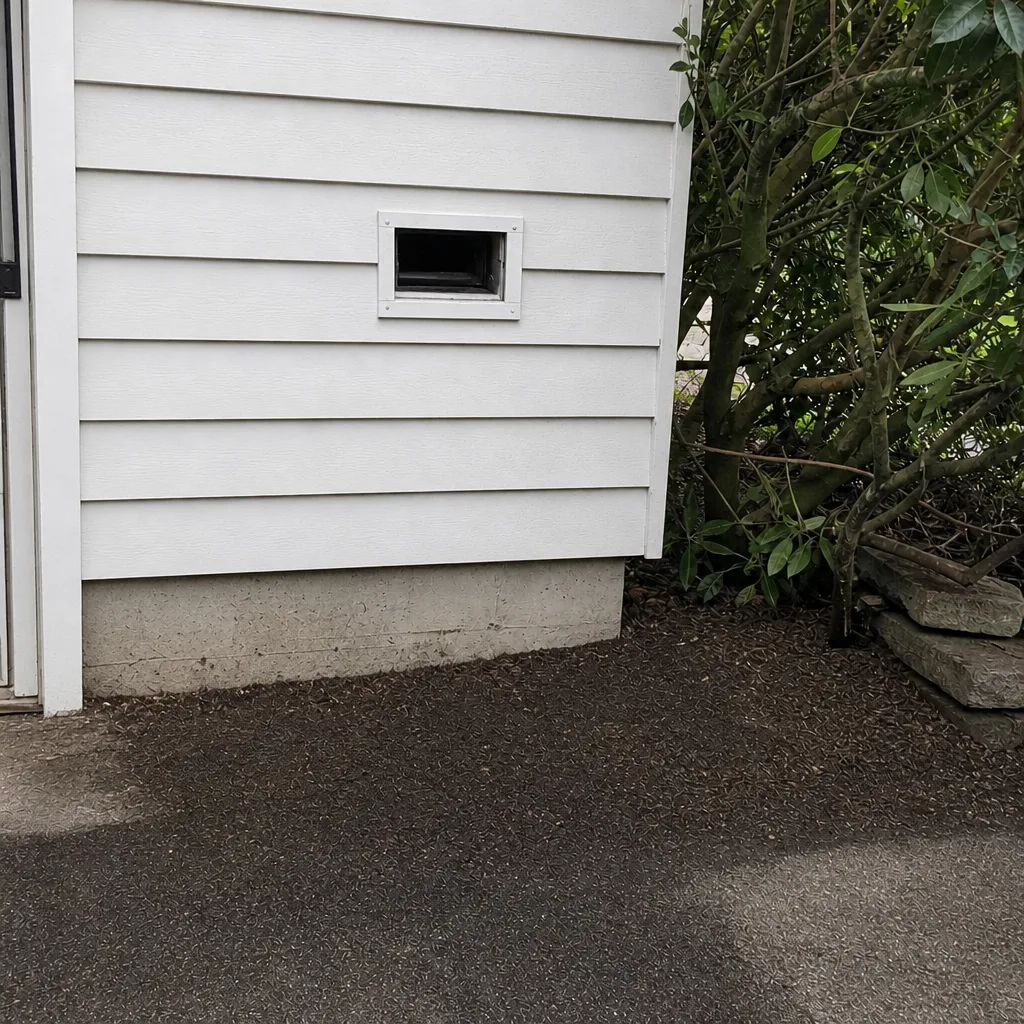
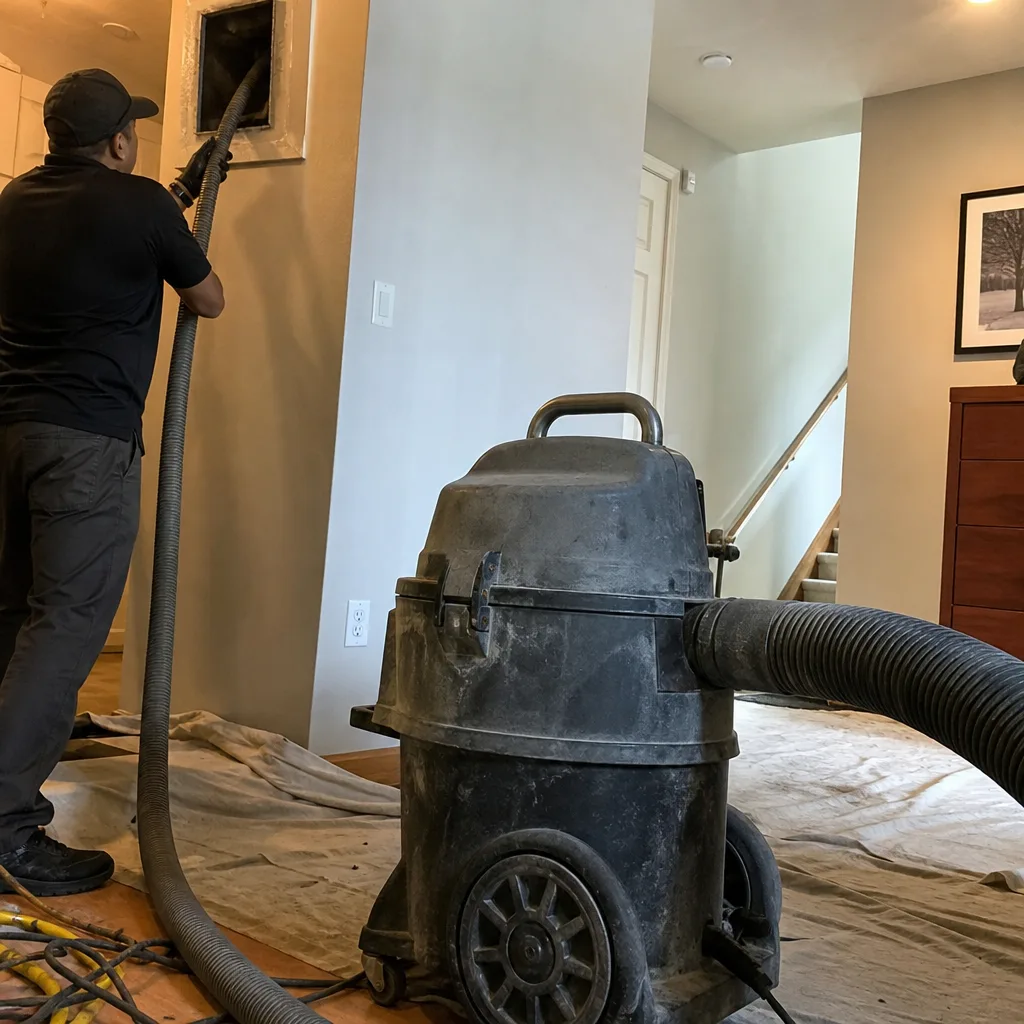
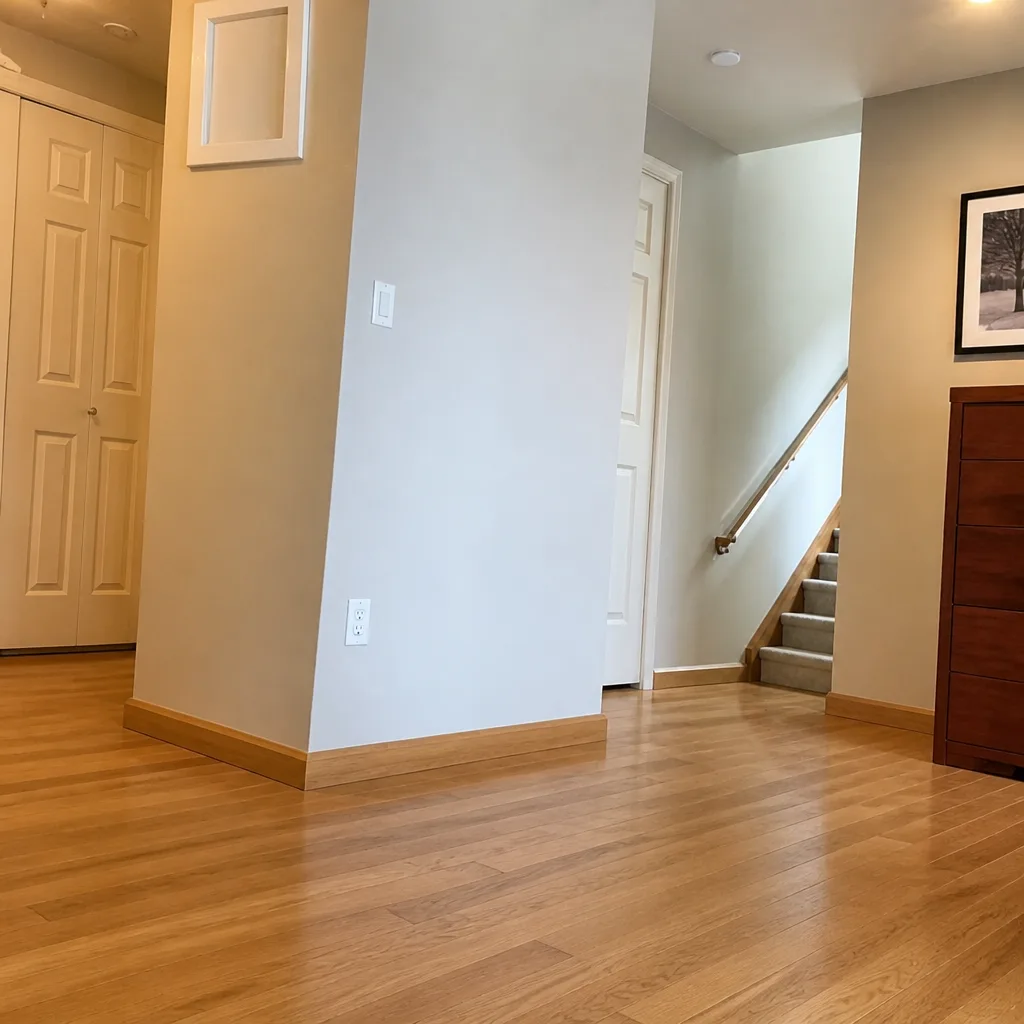
Whole-system duct and dryer vent check with before-and-after photos - you see exactly what came out of your vents
That "$99 whole-house special" is a bait ad - the real number appears once they are in your hallway, or the "clean" is a shop-vac at the register. We photograph the inside of your ducts before and after instead.
DIY vs Professional Air Duct Cleaning: The Bellevue Homeowner’s Decision Guide
Most homeowners who look up duct cleaning tutorials already own a shop vac, and that’s exactly why the videos spread. Here’s the part the tutorials skip: the question isn’t whether you can reach inside a vent register. It’s whether your equipment can create enough negative pressure to pull fine dust off the duct walls and keep it contained while it travels. Consumer vacuums and brush kits run at a fraction of the airflow that professional contact-cleaning systems generate, which means a well-intentioned DIY effort can push debris into your living space instead of capturing it. This guide explains what DIY can legitimately handle in a Bellevue home, where it falls short, and how to decide which path fits your situation.
Quick Answer
DIY air duct cleaning can handle surface register maintenance, visual inspections, and pre-filter upkeep, but it cannot match the negative pressure and containment of professional equipment. For real contamination – dust buildup on duct walls, allergen load, post-renovation debris, or mold concerns – a professional service using contact-cleaning and HEPA negative-pressure systems produces measurable results that shop vacs and rental brush kits don’t. In Bellevue, the right choice depends on whether your concern is cosmetic or rooted in the actual condition of your HVAC air pathway.
Styles & brands we work with
- Whole-home duct cleaning
- Dryer vent cleaning
- Camera inspection
- Sanitizing & deodorizing
Table of Contents
- The Equipment Gap: Why Vacuum Pressure Decides the Outcome
- What DIY Can Legitimately Accomplish
- Where DIY Reliably Falls Short
- How Bad DIY Attempts Make Professional Cleaning Harder
- Warranty and Liability: What Bellevue Homeowners Need to Know
- An Honest Cost Comparison (That Counts More Than the Invoice)
- Bellevue-Specific Factors That Change the Calculation
- A Decision Framework: Step by Step
The Equipment Gap: Why Vacuum Pressure Decides the Outcome
Air duct cleaning is a physics problem before it’s a labor problem. Two measurements matter: airflow (cubic feet per minute, CFM) and static pressure (inches of water column). A typical consumer shop vac generates a small fraction of the CFM that professional contact-cleaning equipment produces. The Rotobrush system we operate, combined with Nikro negative-pressure HEPA units, is designed to move air through the duct system at rates that lift settled particulate from the walls and carry it out, not just stir it up.
Why does the differential matter so much? Three reasons:
- Lift versus loosen. Dust in a duct doesn’t sit as a loose pile the way it does on a shelf. It clings to the galvanized walls through a mix of moisture, static, and time. You need enough air velocity to peel it off the surface, not just brush it.
- Containment. When you clean a duct without a sealed negative-pressure system pulling air out of the living space, displaced particulate has only one place to go: your home. A professional setup keeps the duct under vacuum throughout the job, which is why you don’t see visible dust plumes during a proper cleaning.
- Volume of material. Fine particulate is light enough to float for hours once disturbed. A 4-inch shop vac hose attached to a register captures some of it. The rest settles on furniture, in bedding, and back into the return air path.
This isn’t a knock on your shop vac. It’s the reason the professionals use truck-grade and portable HEPA equipment in the first place: the machine is doing the containment work the operator can’t do by hand. In our experience across Bellevue homes, the single biggest predictor of a genuinely clean result is the pressure the system pulls, not how long the technician spends inside.
If you’re considering the professional route, the air duct cleaning page breaks down what a full-service visit involves.
What DIY Can Legitimately Accomplish
We’re not going to tell you nothing around your vents is worth doing yourself. Several tasks are genuinely homeowner-appropriate, and doing them extends the interval between professional cleanings.
Surface register cleaning. The grill and the first few inches behind it collect visible dust, and wiping that down with a damp cloth or vacuuming the grill with a brush attachment is low-risk and useful. It improves airflow slightly and removes the material you can actually see.
Pre-filter maintenance. Changing or cleaning your HVAC filter on schedule is the single highest-return maintenance task you can do. A clogged filter strains the blower, raises energy use, and lets more particulate pass into the ducts. Follow your filter’s rating and your equipment manual.
Dryer vent visual inspection. You can look at the exterior vent flap while the dryer is running to confirm air is moving out. You can also disconnect the flexible transition hose behind the dryer and check for lint buildup where it’s accessible. This is a safety check, not a full cleaning. If you see heavy lint accumulation inside the wall run, that’s a job for professional dryer vent cleaning – compacted lint in the vent is the leading cause of residential dryer fires.
Basic visual assessment. Removing a register cover and shining a light into the accessible duct run tells you whether you’re looking at light dust or heavy accumulation. It’s a useful data point when you call for an estimate.
What unites these tasks: all of them are about what you can see and reach. None of them require containment. None of them require pressure the homeowner doesn’t have.
- Clean register grills and the first few inches of duct
- Replace or clean HVAC filters on schedule
- Visually inspect the dryer vent exterior and behind-dryer hose
- Look inside accessible ducts with a flashlight for accumulation assessment
- Keep return-air grills unobstructed
Where DIY Reliably Falls Short
The gap opens the moment you’re trying to clean the full length of a duct run, not just the opening. Here’s what professional systems deliver that consumer equipment doesn’t:
- Enough negative pressure to evacuate the whole system. A HEPA negative-pressure unit maintains a sealed vacuum across the entire air pathway while contact cleaning happens inside. Your shop vac pulls from one point.
- Contact cleaning along the duct walls. Rotobrush-style systems use rotating brushes sized to the duct that physically agitate the full circumference, not just the bottom where a hand-held brush reaches.
- Capture of fine particulate at the source. The HEPA stage traps particles small enough to pass through ordinary vacuum filters, which is the difference between removing dust and redistributing it.
- Contamination handling. Mold, post-construction debris, and heavy allergen loads require specific containment and sanitizing capability. Homeowner gear has no mechanism for this.
This is where professional-grade tools matter most, and it’s the reason the businesses that take IAQ seriously use the equipment categories they do. Bellevue Air Duct Cleaning Pros operates Rotobrush and Nikro systems and stocks Abatement Technologies products for exactly this reason: serious contamination scenarios exist, and they don’t respond to a consumer vacuum.
If you’re weighing whether your situation needs the full treatment, Bellevue Air Duct Cleaning Pros can tell you what you’re actually dealing with on a free estimate.
How Bad DIY Attempts Make Professional Cleaning Harder
One of the least-discussed costs of a DIY attempt is that it can make the eventual professional job more expensive. Three patterns are common:
Compressed debris. When a brush pushes into a duct without sufficient vacuum behind it, it can compress loose dust into dense mats against the duct walls and at transitions. Compressed material is harder to lift, requires more contact time, and occasionally needs a second pass.
Dislodged insulation lining. Many ducts are internally lined with fiberglass or another acoustic insulation. A homeowner brush kit with rigid attachments can catch and tear that lining. Once it’s damaged, the duct leaks air and sheds fibers, which is a bigger problem than the dust you set out to remove.
Spread of mold and allergens. If there’s microbial growth in the system and you disturb it without sealed containment and appropriate sanitizing, you can distribute spores through the living space. This is the scenario where the wrong tool is worse than no tool. The HVAC cleaning page explains how a sealed system handles this properly.
In our experience, the calls that take longest are the ones where someone already attempted the job. The equipment isn’t the only thing missing; the duct condition is now harder to read.
Warranty and Liability: What Bellevue Homeowners Need to Know
Here’s a factor that rarely appears in DIY tutorials: your HVAC equipment may be under a parts or labor warranty, and your duct system may be covered by a service agreement. In many cases, work performed by the homeowner or an unqualified party on the system can complicate a claim if the manufacturer’s terms specify that service must be done by a qualified technician. That’s not a universal rule – it depends on your specific warranty language – but it’s worth reading before you start disconnecting ductwork.
For newer Bellevue homes with fresh HVAC installations or recently renovated systems, the warranty question is the strongest argument for the professional route. You spent significantly on the system; risking the warranty to save money on cleaning is a bad trade.
A few practical points to check before deciding:
- Read your HVAC warranty terms. Look for language about who may perform service and whether documentation is required.
- Note any service agreement with your installer. Some plans require specific maintenance intervals.
- If your home is under a builder warranty, check whether alterations to the duct system affect coverage.
- Keep receipts and records of any professional duct work for future claims or resale.
None of this is legal advice; it’s the honest framing we give Bellevue homeowners who ask whether doing it themselves is “free.” It isn’t, if the warranty is on the line.
An Honest Cost Comparison (That Counts More Than the Invoice)
The DIY-versus-professional cost comparison most homeowners do is incomplete. It compares the price of a professional visit to the price of a rental or a shop vac, and stops there. A real comparison includes time, consumables, and the probability that the DIY result is incomplete.
Here’s how the two routes break down on the factors that actually matter:
- Direct cost. Consumer equipment rental or purchase is modest on paper. Professional cleaning is a per-job estimate based on the size of the system and its condition, agreed before any work starts.
- Time. A homeowner attempting a full-system cleaning is looking at the better part of a day, with no guarantee of a clean result. A professional team with the right equipment completes the job in a fraction of that.
- Consumables and equipment depreciation. Filters, HEPA cartridges, extension cables, and the wear on your shop vac are real costs.
- Probability of a complete result. This is the factor people skip. If the DIY cleaning is incomplete, you’re likely to pay a professional later anyway – and the job is harder the second time. That’s not a discount; it’s a surcharge.
- Skill and safety. Working inside a duct system has its risks: sharp edges, hidden fasteners, connection points that must be re-sealed correctly. Even a capable DIYer can leave a duct leaking air they never see.
We give an honest per-job estimate with one flat price per system agreed before work starts, and before-and-after photos of your own ducts so you know what you paid for. Call (855) 337-2032 for an exact quote – estimates are free.
Bellevue-Specific Factors That Change the Calculation
Bellevue homes face conditions that make the DIY versus professional question more pointed than it would be in a drier or dustier climate. Three local factors stand out:
Moisture and ventilation. The Pacific Northwest climate keeps Bellevue homes closed up more of the year than not, and that changes the interior humidity profile. Biological growth in ductwork is a concern here in a way it isn’t in dry climates. If you suspect microbial activity in the air pathway, DIY isn’t the right route; you need sealed containment and appropriate sanitizing capability, not a shop vac.
Housing stock and construction timeline. Bellevue has a wide mix of housing, from older neighborhoods like Bridle Trails or Woodridge to new construction and recent remodels in areas like Bellevue’s downtown core and Spring District. Renovation leaves fine drywall dust and construction debris in the ducts, and that material needs professional removal with proper HEPA capture, not a household vacuum.
Allergen profiles. Bellevue households often include family members with respiratory sensitivities, and the air pathway is where those concerns concentrate. When a duct system has accumulated years of particulate, the right question isn’t “can I clean it myself” but “does my cleaning actually reduce the load.” Without proper containment and capture, it may not.
These aren’t abstract concerns. They’re the cluster of reasons professional air duct cleaning in Bellevue tends to involve more than dust removal. Duct Repair & Sealing is a standalone service we offer for the same reason: leaks in the air pathway waste energy, and they let a cleaned system become re-contaminated.
A Decision Framework: Step by Step
Here’s how to work through whether this is a DIY job or a professional one. Walk through the steps in order.
- Assess the visible condition. Remove a register cover and look inside with a flashlight. Light dust on the grill is a DIY situation. Visible accumulation on duct walls, debris at transitions, or anything that looks like growth is not.
- Check your HVAC filter history. If your filter is regularly clogged within weeks, or you’ve been running without a filter, the ducts are carrying material that needs professional capture.
- Note symptoms the household is experiencing. Persistent musty odors, dusty surfaces shortly after cleaning, or aggravated allergy symptoms point to a system-level issue, not a surface one.
- Review your warranty and service agreements. If either restricts who can work on your system, the professional route is the one that protects your investment.
- Consider renovation or recent construction. If your Bellevue home has had work done in the last few years, drywall dust and construction particulate are likely still in the system and need HEPA capture.
- Assess your time and tools. Be honest about whether you have the days and the equipment to do the full job, not just the register.
- Get an estimate if you’re on the fence. A free estimate tells you the actual condition of your ducts. That’s a data point no tutorial can give you.
Our technicians have up to 8 years of experience assessing exactly this question across Bellevue homes, and can tell you in a single visit whether your system needs the full treatment or just maintenance. Call (855) 337-2032. We answer 24/7. Fast dispatch from 7am to 7pm, Sunday through Friday.
Common Mistakes to Avoid
- Assuming a shop vac is a duct cleaning system. A household vacuum is designed for surfaces, not for the pressure and containment required inside a duct run. Using it aggressively often makes the dust problem worse.
- Using a rigid brush on lined ducts. Insulated or fiberglass-lined ducts can be damaged by consumer brush attachments. Once the lining is compromised, air leaks and fiber shedding become the new problem.
- Cleaning without sealed containment. If your home shows signs of moisture or microbial growth in the ducts, disturbing it without proper HEPA negative-pressure capture spreads it through the living space. Stop and call a professional.
- Forgetting to seal ducts after cleaning. In a Bellevue home, cleaning ducts without addressing leaks in the duct system means you’re paying for a result that will degrade faster than it should. Duct sealing belongs on the same plan as cleaning.
- Ignoring the dryer vent. Dryer vent cleaning is often treated as an afterthought. Compacted lint in the vent is the leading cause of residential dryer fires, and it’s a cleaning problem, not a filter problem.
- Cleaning the ducts instead of checking the filter. Several homeowners have called for duct cleaning when the real issue was a filter that hadn’t been changed in a year. Change the filter first.
- Assuming a cheaper quote means a better deal. When you do call for professional cleaning, be wary of a low teaser price that grows once the technician is on site. Ask for a full-system estimate before anyone starts work.
See the difference
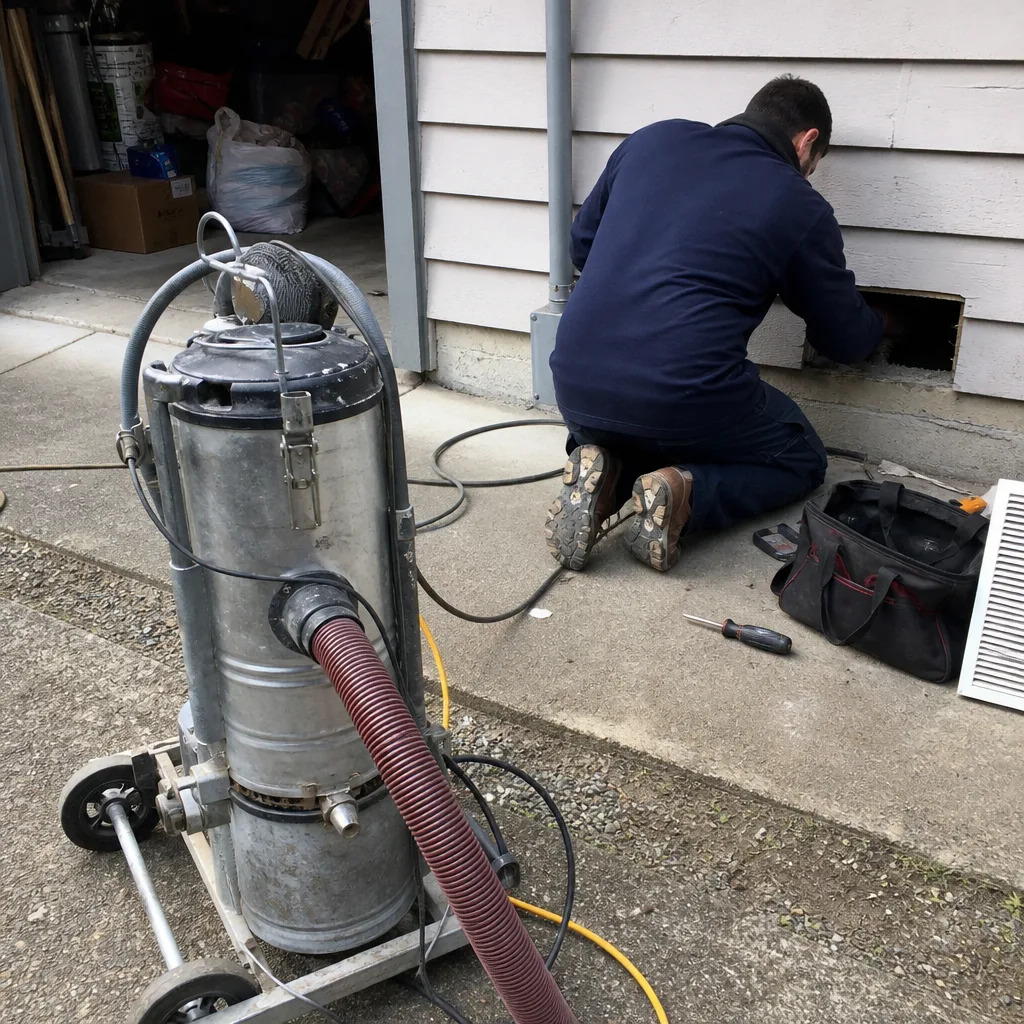 Before
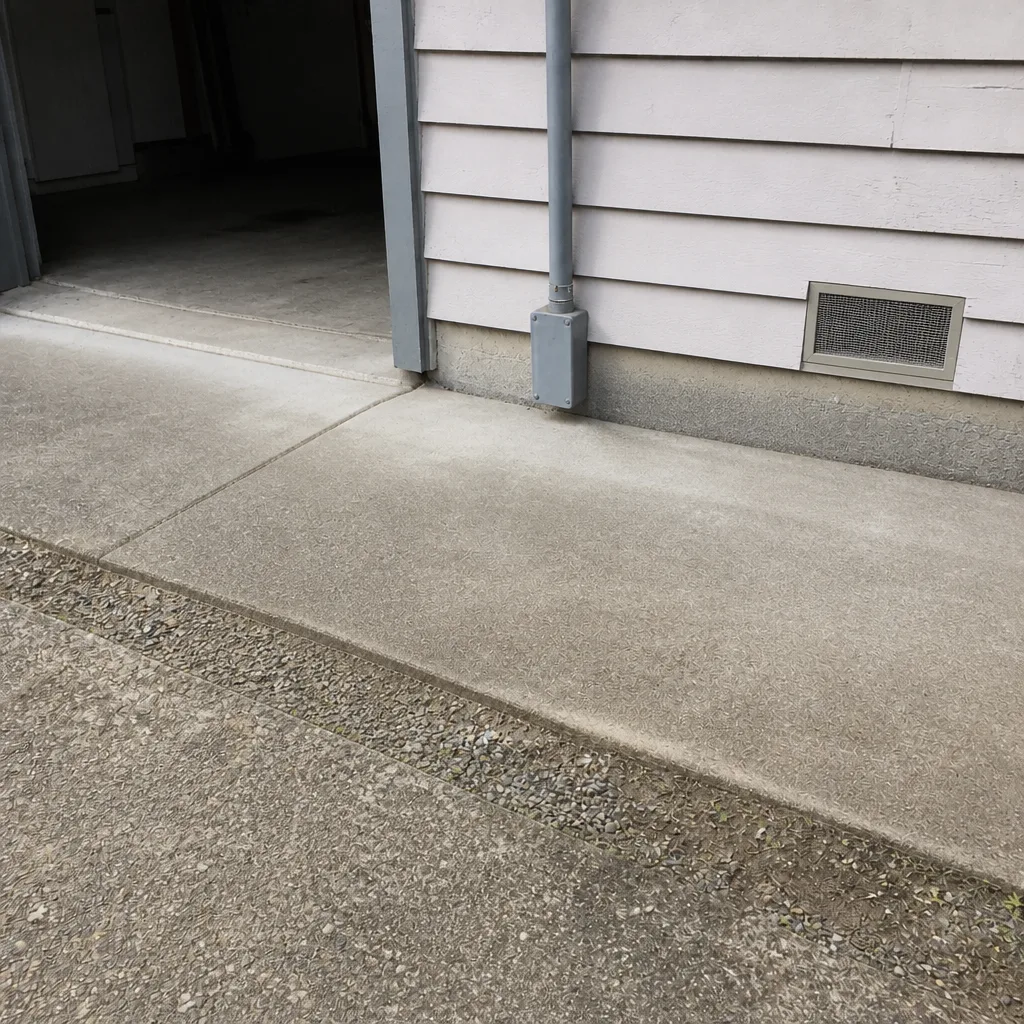 After
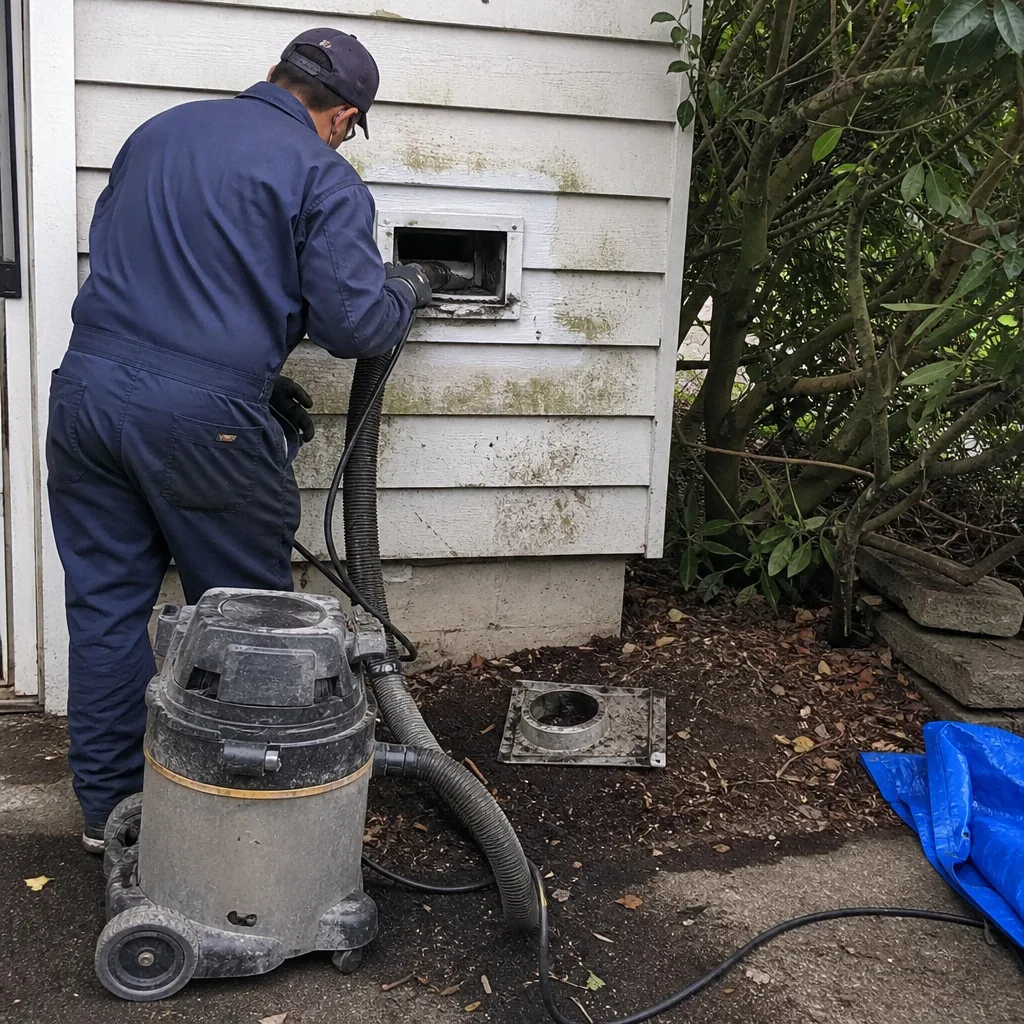 Before
 After
 Before
 After
When to Call a Professional
There are times when the answer to the DIY versus professional question is obvious. If your Bellevue home has visible accumulation inside the ducts, has been through a recent renovation, is showing signs of moisture or musty odor, has a family member with respiratory sensitivities, or is under an HVAC warranty, a professional cleaning is the right call. The same is true for any dryer vent that has gone years without service, and for any duct system that hasn’t been reviewed since a new HVAC installation. Duct Repair & Sealing is worth discussing alongside the cleaning if you want the result to actually last. Bellevue Air Duct Cleaning Pros offers free estimates in Bellevue – call (855) 337-2032. We answer 24/7. Fast dispatch from 7am to 7pm, Sunday through Friday.
Frequently Asked Questions
You can handle surface-level work – register cleaning, filter changes, and visual inspection – but a shop vac cannot generate the negative pressure or containment required for cleaning an entire duct system. Attempting it typically displaces debris into the living space instead of removing it. For the actual ducts, professional equipment is the reliable route.
It’s priced per job, based on the size and condition of your system, with one flat price per system agreed before work starts – not a per-vent charge that grows as the technician works. The written estimate you receive at the free inspection is the price you pay. Call (855) 337-2032 for an exact quote – estimates are free.
Low teaser quotes often cover only a partial job – a handful of accessible registers, no negative-pressure containment, no contact cleaning along the duct walls. The invoice grows once the technician is on site and “extra” work is identified. Ask any contractor for a full-system written estimate before work starts, and be wary of per-vent pricing. Call (855) 337-2032 and we’ll quote the whole system up front.
Ask for before-and-after photos of your own ducts, not stock images. A professional service will provide them as part of the job. We take them on every Bellevue visit so you can see the condition of your system before and after. Call (855) 337-2032 to schedule a free estimate.
It depends on your conditions, not a fixed calendar. Homes in Bellevue with pets, recent renovation, allergy concerns, or a long interval since the previous cleaning may benefit from a review every few years. Homes with newer systems, no pets, and regular filter changes can often go longer. A free assessment tells you where you actually stand. Call (855) 337-2032 with questions.
You can visually inspect the exterior vent and the accessible hose behind the dryer, but you shouldn’t attempt to clean inside the wall run yourself. Lint in the vent is the leading cause of residential dryer fires, and the compacted material inside the run requires proper equipment to remove safely. Call (855) 337-2032 for a professional assessment.
The Bottom Line
The DIY versus professional duct cleaning question isn’t about effort or competence. It’s about equipment and containment. A shop vac and a brush kit can handle register maintenance, filter upkeep, and visual checks, and those tasks are worth doing. But an entire duct system requires negative pressure and HEPA capture that consumer equipment doesn’t provide, and a partial attempt can make the eventual professional cleaning harder. For Bellevue homeowners, the honest answer is to do the small jobs yourself, protect your warranty, and call in professional equipment when the system itself needs attention. The Bellevue Air Duct Cleaning Pros team is happy to assess your situation with a free estimate. Call (855) 337-2032. We answer 24/7. Fast dispatch from 7am to 7pm, Sunday through Friday.
Written by the team at Bellevue Air Duct Cleaning Pros.