
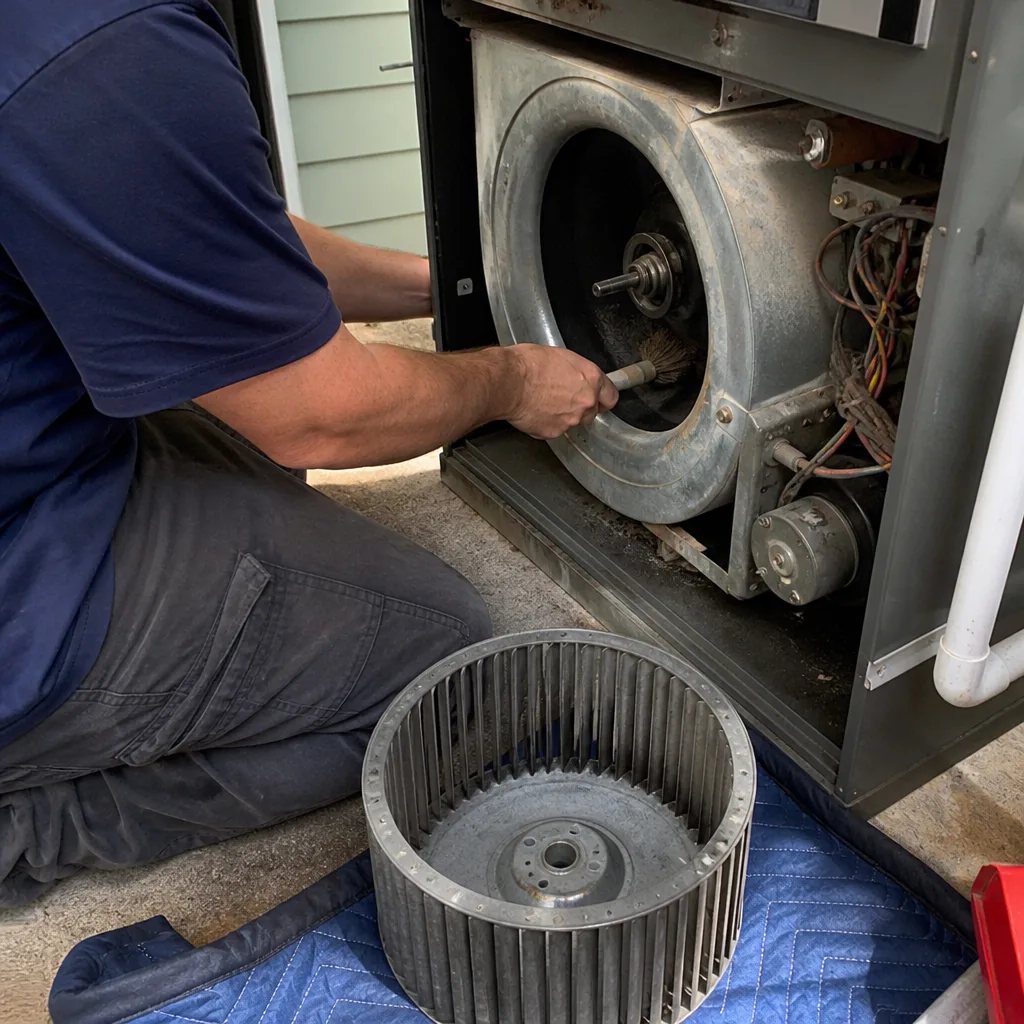
Last updated November 23, 2026
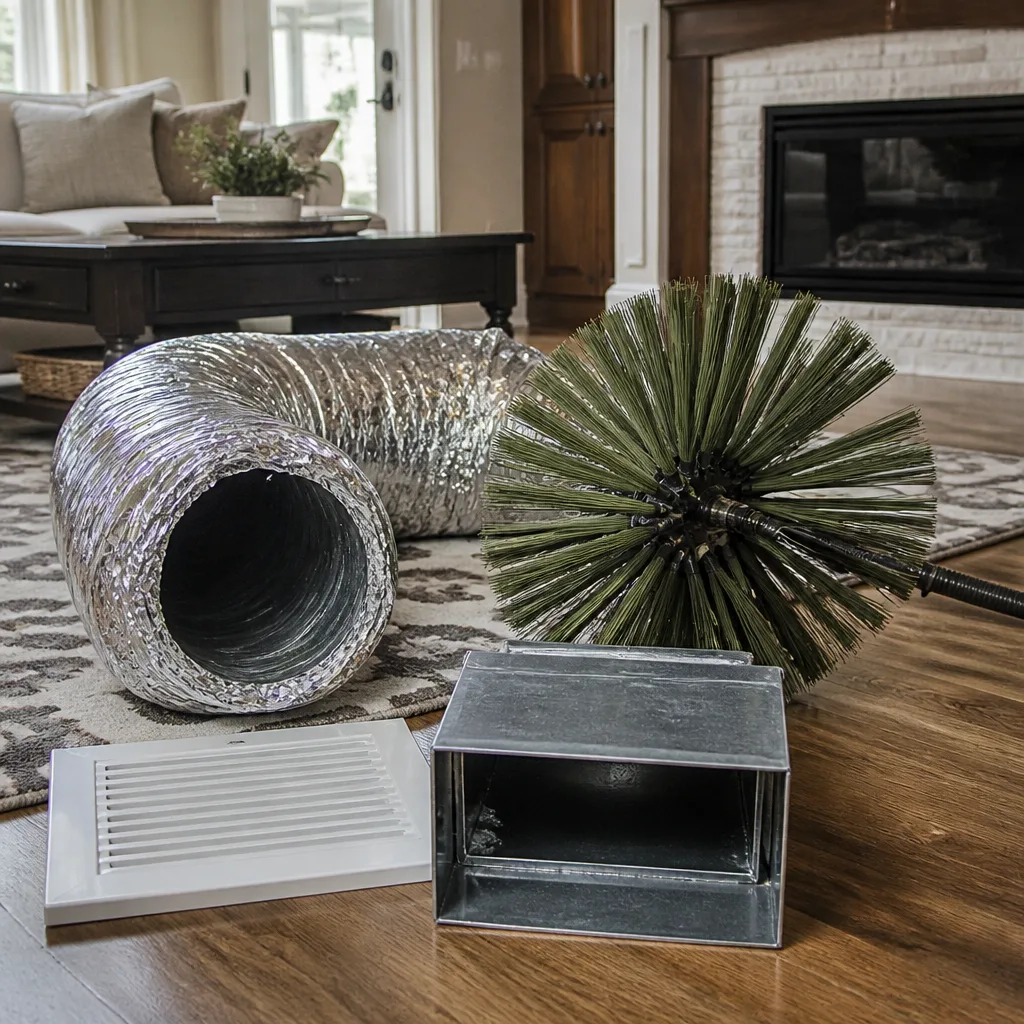 Whole-home duct cleaning
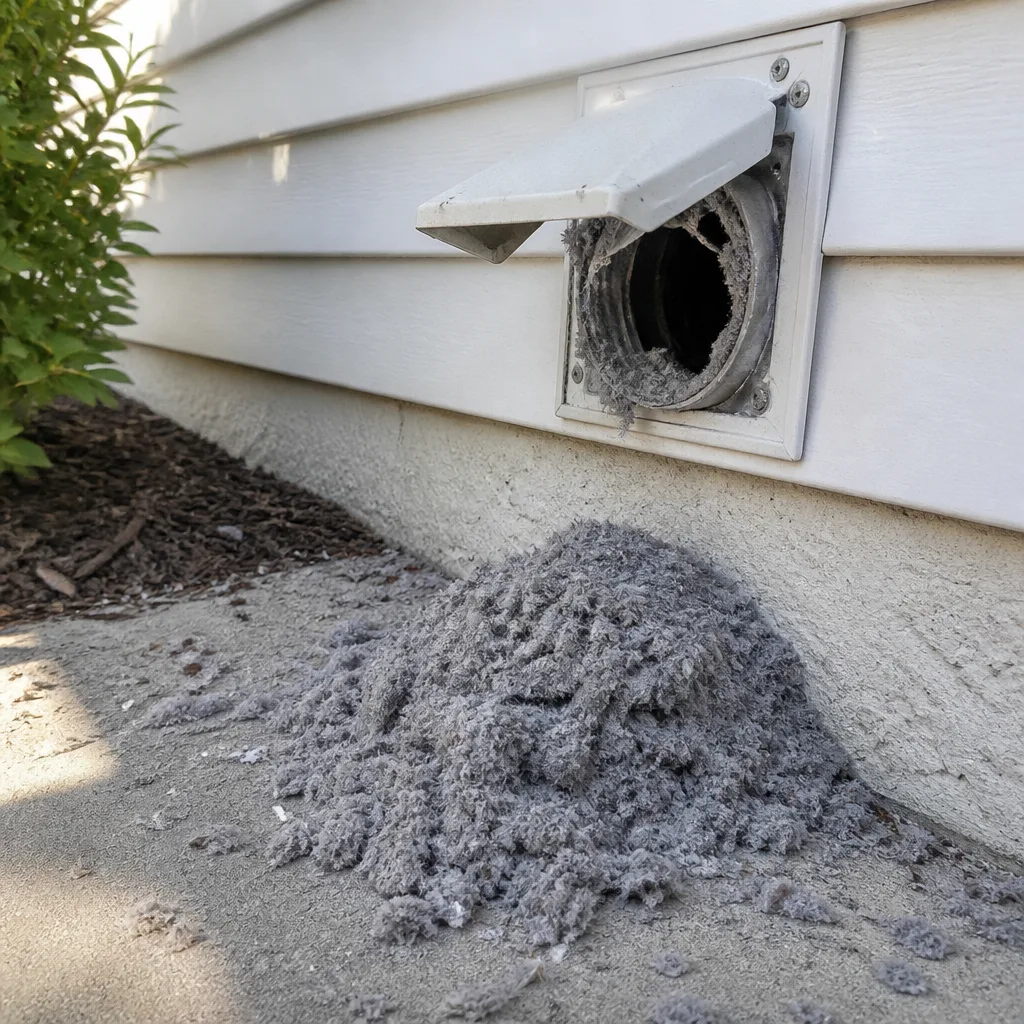 Dryer vent cleaning
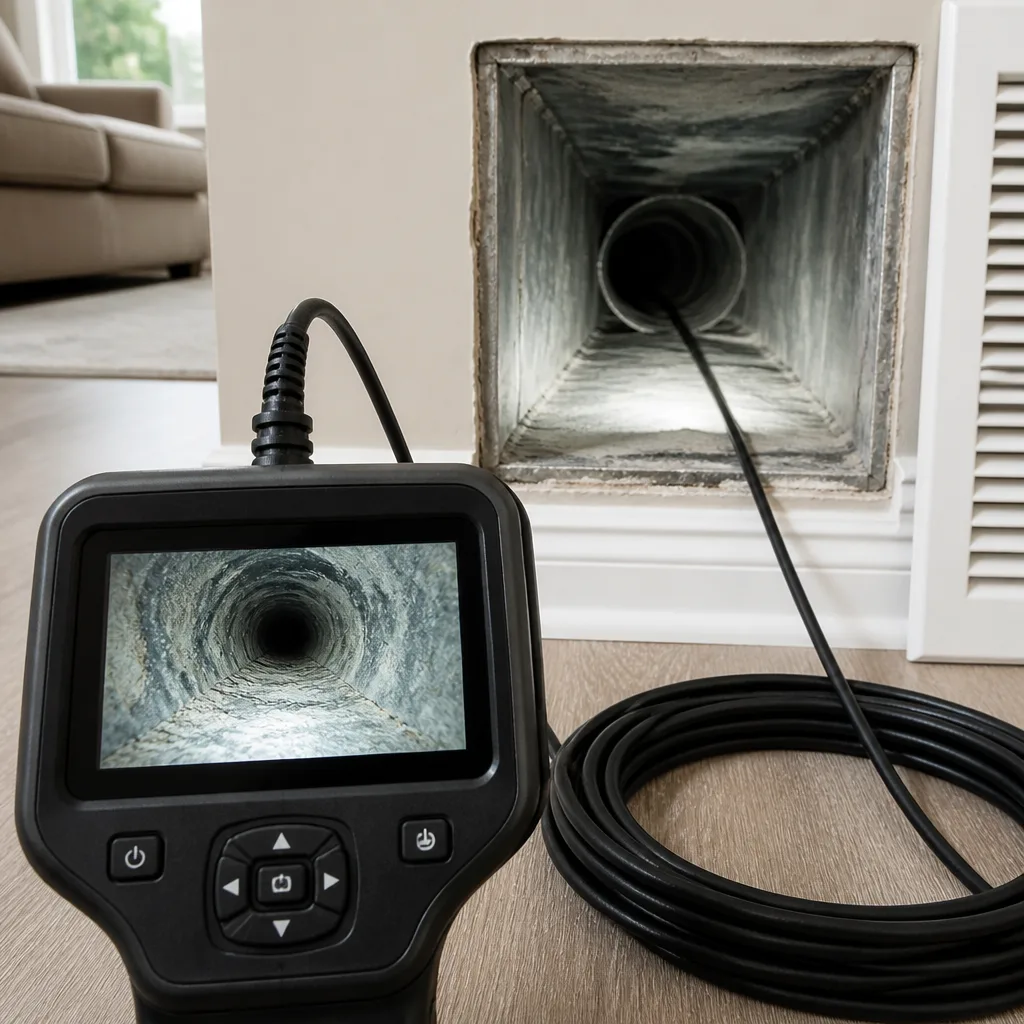 Camera inspection
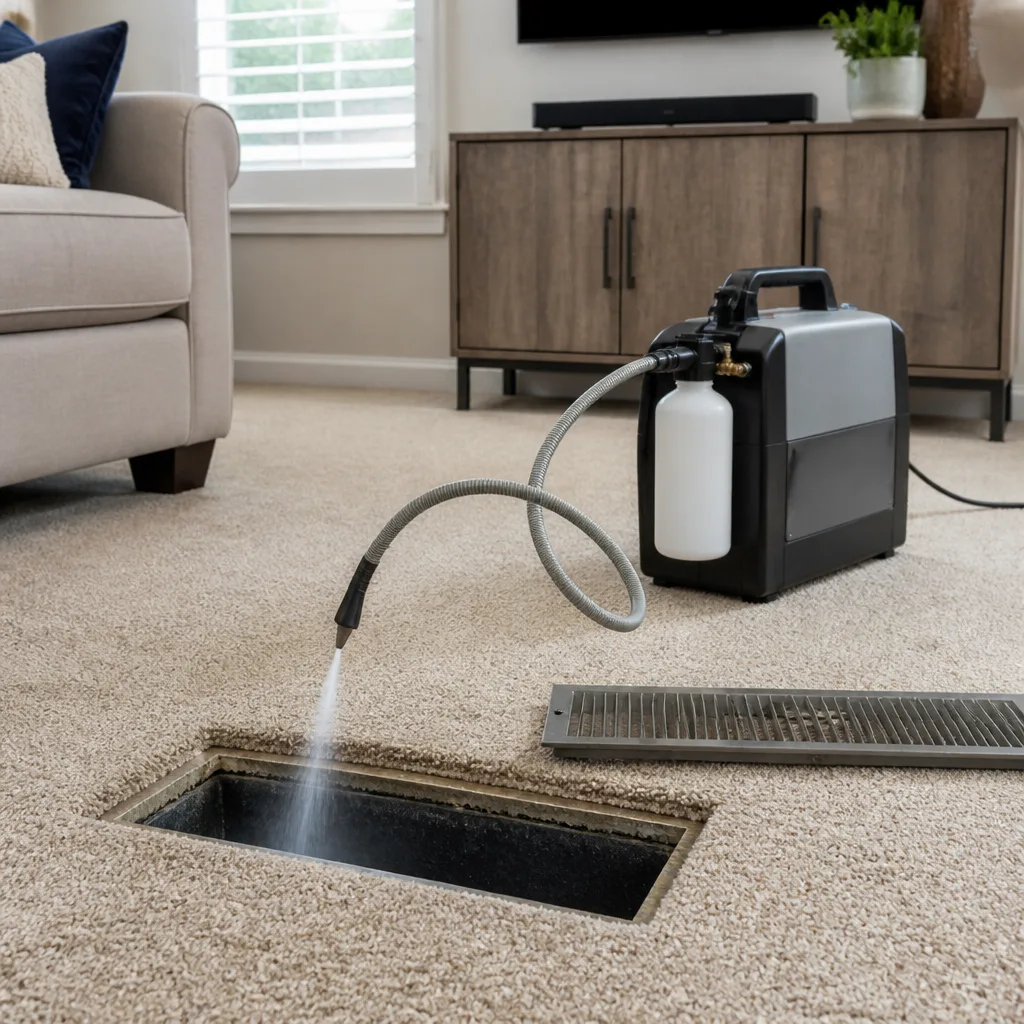 Sanitizing & deodorizing
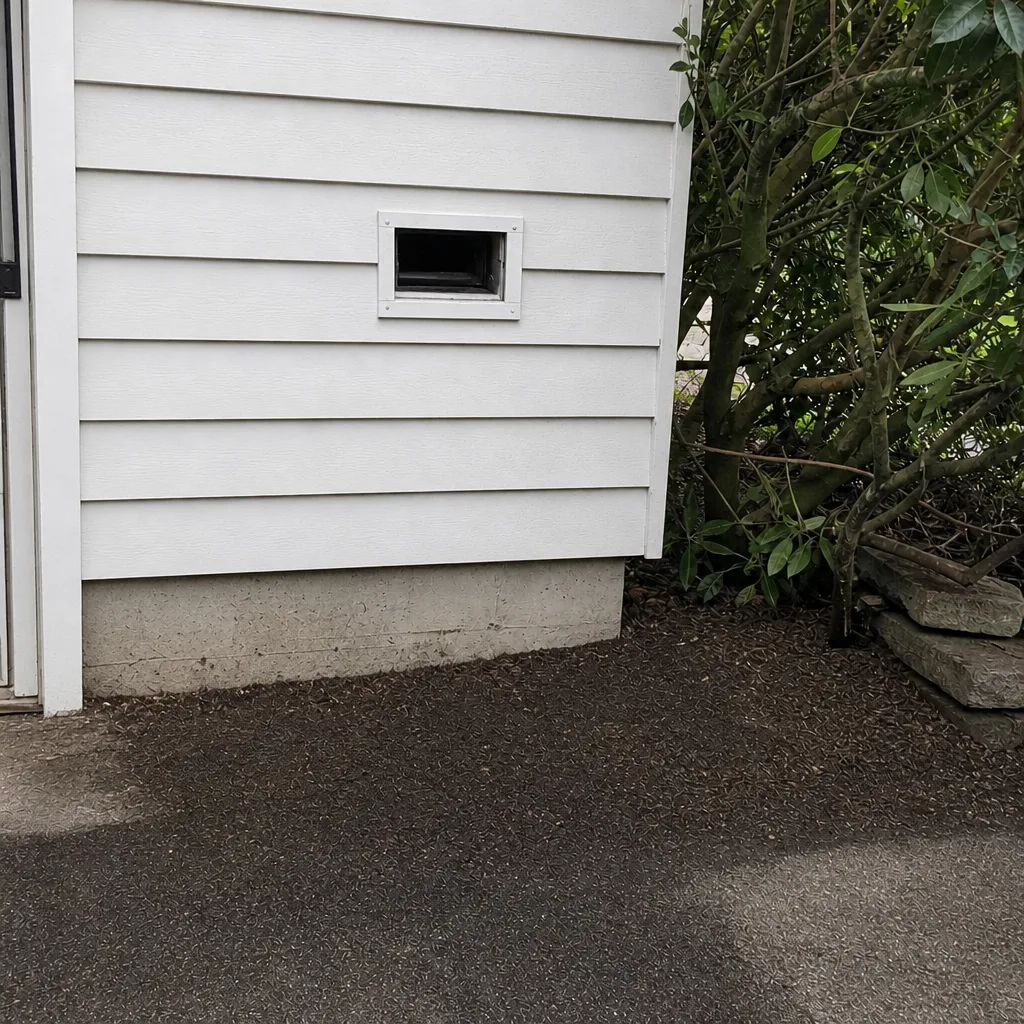
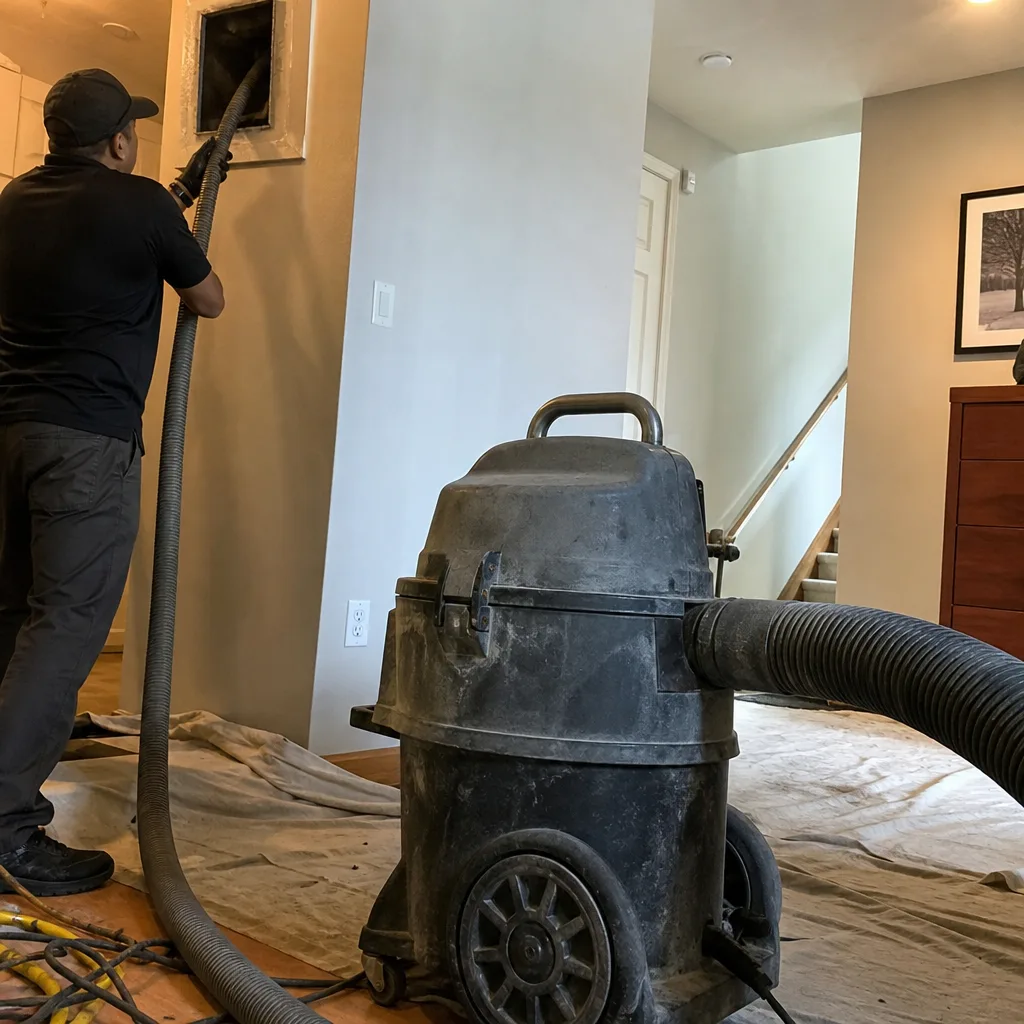
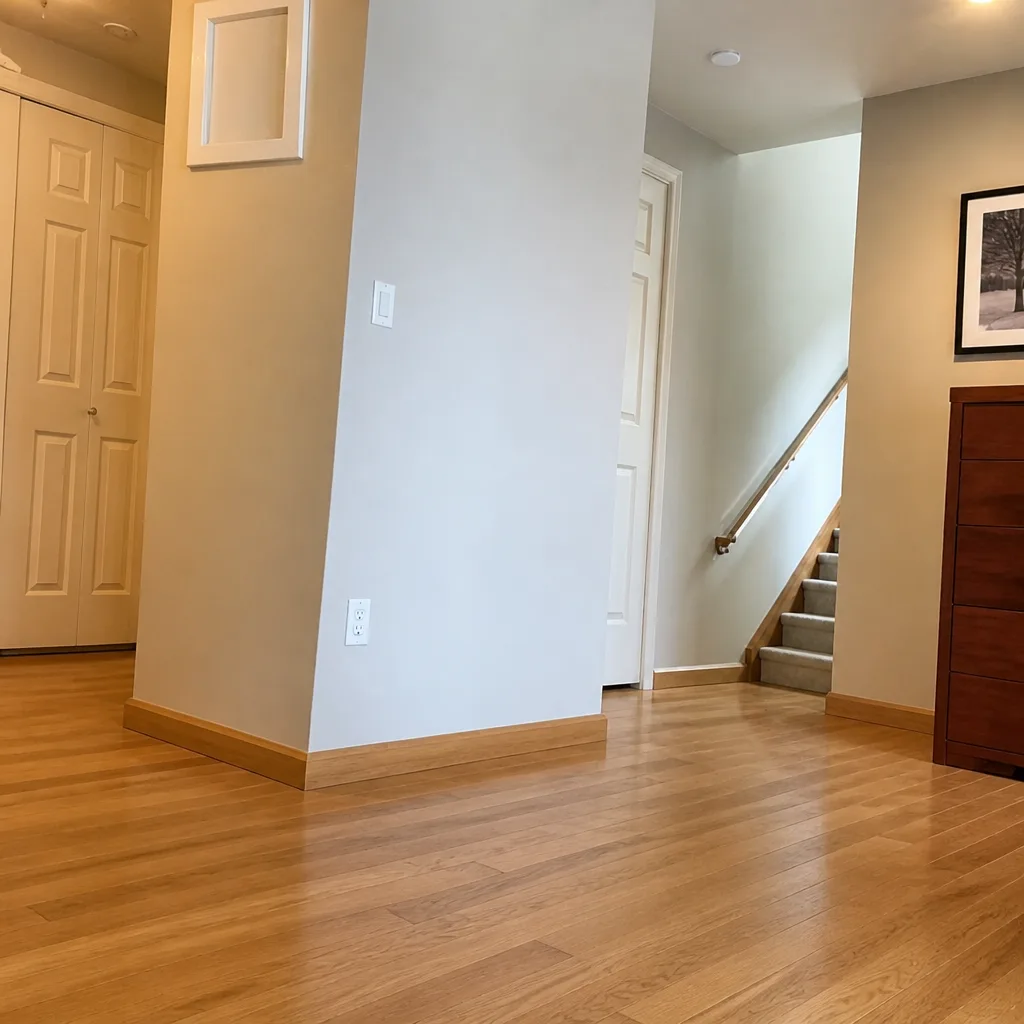
Whole-system duct and dryer vent check with before-and-after photos - you see exactly what came out of your vents
That "$99 whole-house special" is a bait ad - the real number appears once they are in your hallway, or the "clean" is a shop-vac at the register. We photograph the inside of your ducts before and after instead.
Seasonal Air Duct Cleaning Care for Bellevue: Year-Round Homeowner’s Guide
Most homeowners here treat duct cleaning as a once-every-few-years chore, something to schedule when the vents look dusty or someone in the house starts sneezing. But the air that moves through a Bellevue home changes character four times a year. Summer pulls wildfire smoke across the Cascades. Fall drops wet leaves and drives the furnace back to life. Winter brings combustion byproducts from gas and propane heat. Spring throws pollen and renovation dust into the same ductwork. Each season stresses your HVAC air pathway in a different way, and a single annual cleaning misses the windows where real damage gets prevented. This guide maps the specific actions to each season, so you stay ahead of contamination instead of reacting to it.
Styles & brands we work with
- Whole-home duct cleaning
- Dryer vent cleaning
- Camera inspection
- Sanitizing & deodorizing
Quick Answer
In Bellevue, duct care works best as a seasonal rhythm rather than a once-a-year event. Run the system with a good filter during normal weather, shut the forced-air system down during wildfire smoke alerts and clean afterward, inspect before the heating season, watch combustion appliances all winter, and manage pollen and renovation dust in spring. A full professional cleaning fits best after a smoke event, before heating season, or after major remodeling, not on a calendar date.
Table of Contents
- Why Bellevue’s Four Seasons Stress Ductwork Differently
- Summer (July-September): The Wildfire Smoke Protocol
- Fall (October-November): The Pre-Heating Inspection
- Winter (December-February): Combustion Appliances and Your Ducts
- Spring (March-May): Pollen and Renovation Dust
- Which Season Is Right for a Full Professional Cleaning?
- What a Professional Seasonal Cleaning Actually Involves
- Common Mistakes to Avoid
- When to Call a Professional
- Frequently Asked Questions
- The Bottom Line
Why Bellevue’s Four Seasons Stress Ductwork Differently
Ductwork doesn’t wear out from use alone. It accumulates whatever the air around it carries, and in Bellevue that load shifts through the year. The city sits between Puget Sound and the Cascade foothills, which means mild, wet winters, a long pollen season in spring, and summers where smoke from Eastern Washington can settle in the lowlands for weeks. Add the region’s heavy renovation culture – older homes in neighborhoods like Bridle Trails and Crossroads get remodels, additions, and system replacements constantly – and you have a duct system that faces a different challenge every few months.
Here’s the part most homeowners miss: a standard furnace filter catches a fraction of what actually rides through the ducts. Fine particulate matter, the kind that comes from smoke and combustion, passes through most filters and lands on duct walls. Once it’s there, normal airflow doesn’t move it, and the filter upstream can’t reach it. That’s why the timing of a professional cleaning matters as much as the cleaning itself. If you clean in early summer and then run the system through a smoke event, the ducts are dirty again by September. If you clean after the smoke clears and before the furnace starts, you carry that cleanliness into the heating season when the system runs continuously.
Bellevue homeowners also deal with a specific combination that’s worth naming. Wet fall weather drives mold spores into crawl spaces and return-air pathways. Gas and propane furnaces, common in the area, introduce combustion byproducts that interact with ductwork in ways an electric system never does. And the renovation boom means construction dust – drywall, sawdust, insulation fibers – gets pulled straight into return vents while work is underway. Our technicians have up to 8 years of experience, and the pattern we see most is this: a home that skipped seasonal maintenance ends up needing a deeper cleaning, sometimes with sanitizing, because contamination had time to settle and spread. Bellevue Air Duct Cleaning Pros approaches the whole HVAC air pathway as one system, which is why seasonal timing matters more than a single annual appointment.
Summer (July-September): The Wildfire Smoke Protocol
Summer is the season that catches Bellevue homeowners off guard. Wildfire smoke from Eastern Washington regularly drifts over the Cascades, and when air quality alerts hit, the instinct is to close the windows and run the air conditioning for relief. That instinct is half right. Sealing the house helps. Running the forced-air system during a smoke event can push fine particulate straight onto duct walls, where a standard filter will never remove it.
So what should you actually do when smoke settles over Bellevue? Follow this sequence:
- Close windows and doors, and seal gaps around window frames and exterior doors before the smoke arrives if you can.
- Switch the thermostat to fan-only or recirculate if your system supports it, rather than pulling in outside air. If your system has a fresh-air intake, close or damper it during the alert.
- Upgrade to a higher-MERV filter for the duration, and note the date you installed it. A filter loaded with smoke particulate needs replacing sooner than a normal one.
- Shut the system down during the worst hours if the smoke is thick and your filter is standard. A running system with a weak filter distributes what it can’t catch.
- After the alert lifts, replace the filter and assess the ducts. Wipe a vent cover with a white cloth and look at it in daylight. A gray film after a smoke event is a sign that particulate reached the duct interior.
One point worth making clearly: the assessment step is not the same as a cleaning. A visual check at the vent tells you whether contamination reached the surface. It doesn’t tell you how far it traveled. Fine smoke particles move through the whole system, and the only reliable way to remove them is contact cleaning with professional-grade equipment. This is exactly the scenario where a Rotobrush contact-cleaning system and a Nikro HEPA negative-pressure setup earn their keep, because they reach the duct walls rather than just the visible vent mouths. If Bellevue has a smoke-heavy summer, plan on a professional assessment before the fall heating season rather than after.
Fall (October-November): The Pre-Heating Inspection
The most useful piece of seasonal duct care in Bellevue happens before the furnace runs continuously for the first time. Fall is wet here – leaves drop, gutters clog, and moisture finds its way into crawl spaces and attic spaces. That moisture is the raw material for mold, and mold in a duct system is a much bigger job than ordinary dust. Once the furnace kicks on in October or November, it pushes warm air through whatever is sitting in the ducts, and any spores or debris that settled over the summer get distributed through every room.
A pre-heating inspection works through this checklist:
- Look at the return-air grilles in each room. Dust buildup on the grille face is normal; dust clinging to the inside of the grille is a sign the filter wasn’t keeping up.
- Check the filter and replace it before the heating season starts. If you ran the system through summer smoke, the filter should already be replaced, but confirm it.
- Inspect for moisture around duct runs in the crawl space or attic, especially near exterior walls where condensation forms.
- Listen for new sounds – rattling, whistling, or uneven airflow – which can indicate loose duct joints or a disconnected run.
- Smell the air on the first heat cycle. A burning-dust smell for the first few minutes is normal. A musty or persistent odor is not.
The other fall priority is duct sealing. Bellevue’s older homes frequently have ducts that leak at joints and seams, and a leak does two things at once: it wastes the heated air you’re paying for, and it lets outside dust and moisture get pulled straight into your clean system. If you’re planning a cleaning this fall, sealing after the cleaning is what keeps the result from degrading over winter. That’s why we offer Duct Repair & Sealing as a standalone service rather than treating it as an add-on. Clean, sealed, and sanitized is the full arc, and fall is when it pays off most.
Winter (December-February): Combustion Appliances and Your Ducts
Winter is when combustion matters. Many Bellevue homes heat with natural gas or propane, and a furnace that burns fuel produces combustion byproducts that have to vent properly. Ductwork interacts with that in two ways. First, the return-air side of the system can pull air from a space where a gas appliance is operating, which affects how the appliance drafts. Second, if the duct system is leaky or unbalanced, it can create pressure differences in the house that interfere with venting.
What to monitor through the winter:
- Carbon monoxide detectors on every level of the home, tested monthly. This is not a duct-specific concern, but a duct system that’s pressurizing a house incorrectly can affect combustion appliance performance, and a working detector is the safety net.
- Soot or discoloration around the furnace and at the flue connection. Soot means incomplete combustion, which needs a professional look.
- Condensation on cold duct surfaces, especially in attics and crawl spaces. Winter moisture plus duct dust is a mold recipe.
- Return-air pathways that draw near a gas water heater or furnace. If your return grille is close to a combustion appliance, airflow can compete with proper venting. A technician should assess that arrangement.
If you heat with gas or propane and you’ve never had your ductwork cleaned, winter is the season to pay attention to the warning signs rather than wait for spring. Our HVAC cleaning service covers the system broadly, including the components that move air through your home, which is useful when combustion concerns and dirty ducts overlap. We answer 24/7 if you’re worried about a CO detector or a fuel smell – that’s a call for a licensed HVAC professional and, if you smell gas, your gas utility first. Fast dispatch from 7am to 7pm, Sunday through Friday, handles the routine scheduling.
Spring (March-May): Pollen and Renovation Dust
Bellevue’s spring is a pollen season with a construction season layered on top. The region’s tree canopy – cedar, alder, cottonwood – produces weeks of pollen, and homeowners open their windows for the first time since fall, which is exactly when they want the system running to filter that pollen out. Meanwhile, renovation work in neighborhoods like Lake Hills and Crossroads is heavy in spring. Additions, kitchen remodels, and finished basements all generate drywall dust, sawdust, and insulation fibers, and return-air vents pull that dust into the ducts before anyone thinks to seal them off.
Here’s the spring sequence that keeps your ducts out of trouble:
- Seal the return-air grilles in any room under renovation, and cover registers with plastic before work starts. Simple tape and plastic film works.
- Replace the filter at the start of pollen season and check it monthly through May.
- Run the fan continuously during high-pollen days to keep filtering the indoor air rather than opening windows wide. You’ll pull pollen in with open windows, then trap it in the ducts.
- After any major renovation, schedule an assessment before you run the system normally. Drywall dust and insulation fibers settle into duct walls and don’t come out with a filter change.
- Consider an air quality and sanitizing service in spring if you have allergies in the household, especially after a renovation or a smoke-heavy previous summer.
Spring is also the right time to think about filtration upgrades. We work with Honeywell and Aprilaire product lines, and a properly sized high-efficiency filter or a whole-home air cleaner extends the results of a cleaning considerably. That’s the practical argument for product recommendations that follow a cleaning: a clean duct system with a weak filter re-dirties quickly, while a clean system with a properly matched filter stays clean. If your home has heavy pollen exposure or a family member with a respiratory condition, spring is when that upgrade earns its keep. The same goes for air duct cleaning after renovation season.
Which Season Is Right for a Full Professional Cleaning?
There’s no single calendar date that fits every Bellevue home. The right timing depends on your system’s use pattern, what the year brought, and what your household needs. Here’s a decision framework we use to guide homeowners through the question.
| Situation | Best timing | Why |
|---|---|---|
| Smoke-heavy summer, standard filter | Late September or October | Clean after the smoke clears, before the furnace runs |
| Older home with leaky ducts | Fall, with sealing | Clean and seal before heating season to prevent re-contamination |
| Gas or propane heat, never cleaned | Fall inspection, winter monitoring | Combustion interaction is a heating-season concern |
| Major renovation | Immediately after work finishes | Construction dust settles into duct walls and needs contact cleaning |
| Allergy household | Spring, with sanitizing | Pollen season is when symptoms peak |
| New home, unknown history | Any season, then reset the rhythm | Establish a baseline and plan from there |
If you’re on the fence, the simplest rule is this: clean when the system is about to work hardest, not when it’s already been working hard for months. In Bellevue, that’s usually fall. The other rule is to clean after a major event rather than on a schedule. A wildfire smoke summer, a renovation, or a water intrusion all justify a cleaning regardless of when the last one happened. For homes without those events, most households benefit from a professional cleaning every few years, and a well-sealed system with a good filter can go longer. The key phrase to remember: clean, sealed, and sanitized is the goal; a cleaning alone doesn’t hold up.
One more consideration: property managers and multi-unit buildings face a different calculus. Systems in apartment buildings and rental properties run continuously and often share air pathways, so seasonal contamination from one unit can affect others. If you manage property in Bellevue, plan cleaning after tenant turnover and after any renovation work, and consider a spring and fall inspection cadence rather than one annual visit. Bellevue Air Duct Cleaning Pros works with both homeowners and property managers seeking a single-source contractor for the entire air pathway.
What a Professional Seasonal Cleaning Actually Involves
It helps to know what you’re buying, because the difference between a professional cleaning and a cheap one shows up in the tools. A discount company arrives with a portable shop vac, runs it over the vent openings, and leaves the duct walls untouched. The result looks clean at the surface and re-dirties within weeks. A proper cleaning uses contact cleaning against the duct walls and negative pressure to keep the contamination from escaping into the room.
Here’s what the process looks like when it’s done right:
- Inspection and setup. The technician walks the system, identifies the duct layout, and connects a negative-pressure HEPA unit to capture loosened debris before it reaches room air.
- Contact cleaning. A Rotobrush system works the interior of each duct run with a rotating brush, dislodging contamination from the walls rather than just pulling air through the vents.
- Source and supply cleaning. The blower compartment and coil area are cleaned as well, since contamination there re-enters the ducts on the next cycle. This is why cleaning the ducts without the HVAC components leaves the job half done.
- Repair and sealing. Leaks and loose joints are sealed after cleaning so that the clean result holds.
- Sanitizing. For mold or contamination scenarios, Abatement Technologies products are applied to address the source rather than masking it with fragrance.
- Before-and-after documentation. Photos of your ducts, not stock images. You should be able to see what changed.
The Bellevue angle on this is the renovation factor. Construction dust is denser than ordinary household dust, and it settles rather than circulating, so it’s easy to miss on a visual check. Contact cleaning is what actually removes it. When a system has been through a Bellevue renovation, we recommend asking whether the quote includes coil and blower cleaning, and whether the crew carries negative-pressure equipment. The dryer vent cleaning service we offer follows the same standard, and it’s worth pairing with a duct cleaning since both touch the air pathway and both address fire risk. One crew, one visit, every service.
Common Mistakes to Avoid
- Running the system through a smoke alert with a weak filter. This is the most common and most expensive Bellevue mistake. Running the fan during thick smoke with a standard filter pushes particulate into the ducts, where it stays until a professional cleaning removes it.
- Cleaning once and forgetting sealing. A cleaned duct system with leaks re-contaminates from outside air and wastes energy. Bellevue’s older homes often have leaky duct runs, and sealing after cleaning is what makes the result last.
- Treating the air-duct cleaning as a one-time event. Seasonal duct care is a rhythm, not a project. Homes that plan around smoke, pollen, renovation, and heating season need less frequent deep cleanings than homes that react to a dusty vent.
- Opening windows wide during peak pollen season. Bellevue spring is beautiful, but open windows pull pollen straight into the return-air system. If you or a family member have allergy concerns, filter instead of opening up.
- Skipping the return-air grilles when sealing for renovation. Contractors tarp the furniture but rarely seal the vents. Drywall dust gets pulled into the ducts before anyone thinks about it.
- Judging duct cleanliness by the vent cover. A dusty grille tells you dust is on the grille. It says nothing about the duct wall 10 feet away, which is where the contamination actually settles.
- Buying on price alone in a market where cheap means shop-vac equipment. In Bellevue, the cost gap between a discount cleaning and a professional one usually reflects the difference in equipment. Ask what tools the crew carries before you compare quotes.
When to Call a Professional
Call a professional when the warning signs move past normal maintenance. Specific scenarios: a smoke event where the system ran for days, a major renovation, musty odors on the first heat cycle, visible mold near a vent or on a duct surface, water damage that reached the crawl space or attic, and a home with gas or propane heat that’s never been cleaned. If someone in the household has respiratory concerns and you can’t identify the source, an assessment is the right first step.
Bellevue Air Duct Cleaning Pros offers free estimates in Bellevue – call (855) 337-2032. We answer 24/7. Fast dispatch from 7am to 7pm, Sunday through Friday. Bellevue Air Duct Cleaning Pros connects you with a vetted local professional who is licensed and insured as their state requires, and the price is set per job by the written estimate. You’ll see before-and-after photos of your own ducts. If you’re not sure whether you need a cleaning or a sealing job, the estimate will tell you. We also serve commercial and multi-unit properties, so property managers can call the same number.
Frequently Asked Questions
Most Bellevue homes benefit from a professional cleaning every few years, but the schedule depends on what the year brought. A smoke-heavy summer, a renovation, or a mold issue justifies a cleaning regardless of when the last one happened, while a well-sealed system with a good filter can go longer. Bellevue Air Duct Cleaning Pros will give you an honest read during a free estimate – call (855) 337-2032.
You can run the system during a smoke alert if you close fresh-air intakes and use a high-MERV filter, but shut it down if the smoke is thick and your filter is standard. Running a forced-air system with a weak filter pushes fine particulate onto duct walls where the filter can’t reach it. After the alert lifts, replace the filter and have the ducts assessed. Call (855) 337-2032 for a free post-smoke estimate.
Pricing is set per job by a written estimate, and Bellevue Air Duct Cleaning Pros gives free estimates so you know the figure before work starts. One flat price per system, no per-vent pricing, and before-and-after photos of your own ducts. Call (855) 337-2032 for an exact quote.
Because the equipment is different. Cheap quotes usually mean a portable shop vac that cleans the vent openings and leaves the duct walls untouched; a professional job uses contact cleaning and negative-pressure HEPA equipment that works the whole run. In Bellevue, the difference shows up within weeks when a cheap cleaning re-dirties. Call (855) 337-2032 and ask what equipment the crew carries before you compare.
You should see before-and-after photos of your own ducts, taken during the service, not stock images. A legitimate cleaning also includes coil and blower compartment cleaning, not just the vents, because contamination there re-enters the system. Bellevue Air Duct Cleaning Pros documents every job this way – call (855) 337-2032 for a free estimate.
Yes, in two ways: a leaky or unbalanced duct system can affect how a gas or propane appliance drafts, and winter moisture plus duct dust is a mold setup. Keep carbon monoxide detectors on every level and have ducts inspected before the heating season. If you smell gas, call your gas utility first, then book an HVAC assessment through (855) 337-2032.
The Bottom Line
Seasonal duct care in Bellevue is about timing, not frequency. Summer smoke, fall moisture, winter combustion, and spring pollen each stress your HVAC air pathway in a different way, and a cleaning that happens at the wrong moment misses the point. Clean after a smoke event, seal before heating season, monitor combustion appliances through winter, and manage renovation dust in spring. When you book a cleaning, ask for contact cleaning and negative-pressure equipment, and expect before-and-after photos of your own ducts. Bellevue Air Duct Cleaning Pros offers the full arc – clean, sealed, and sanitized – under one roof, with free estimates. Call (855) 337-2032 to schedule yours.
Written by the team at Bellevue Air Duct Cleaning Pros.
See the difference
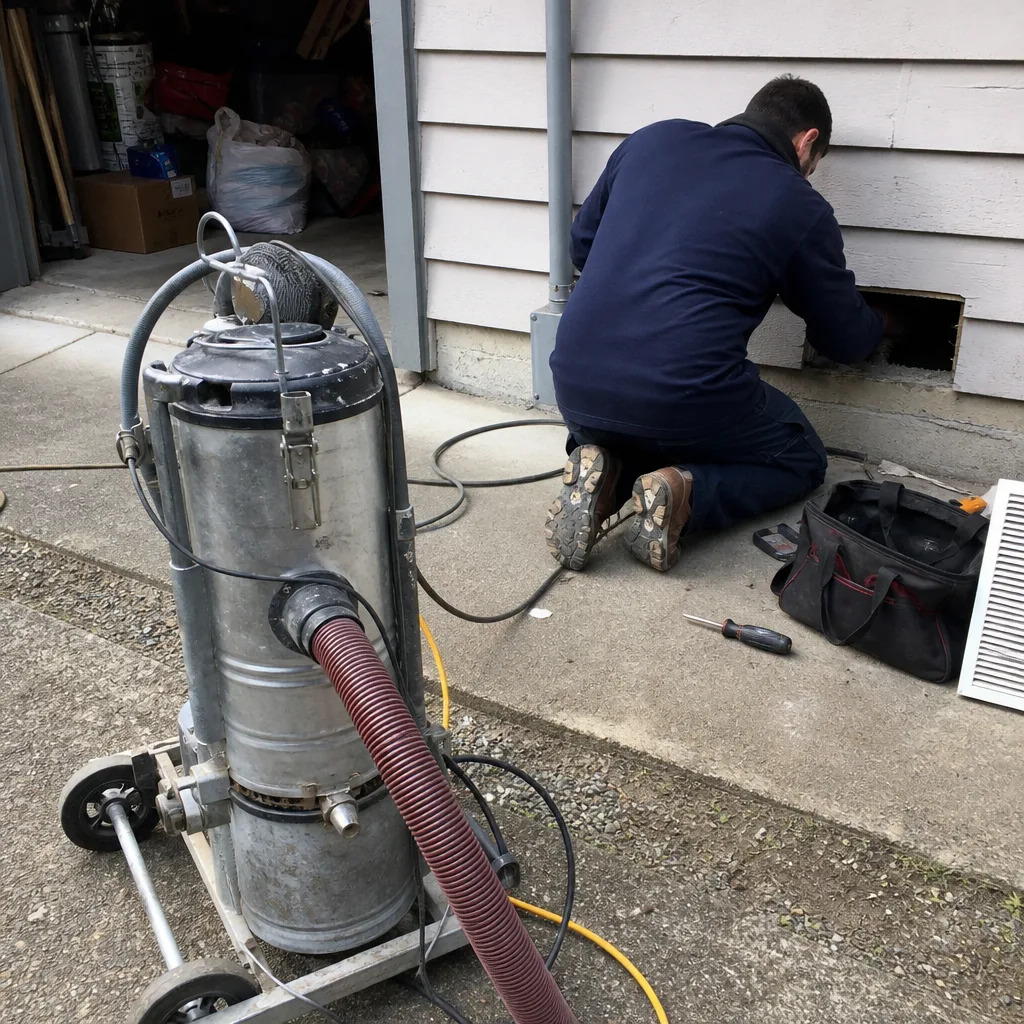 Before
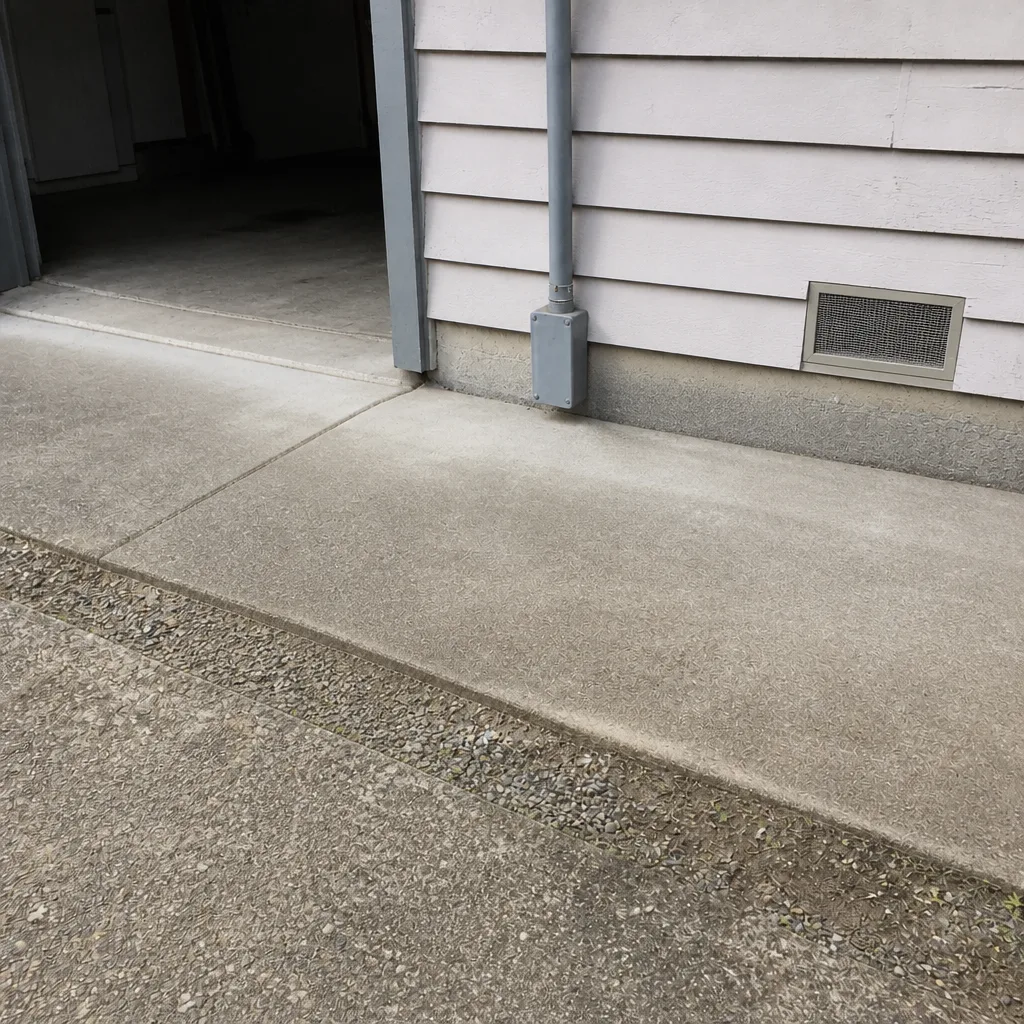 After
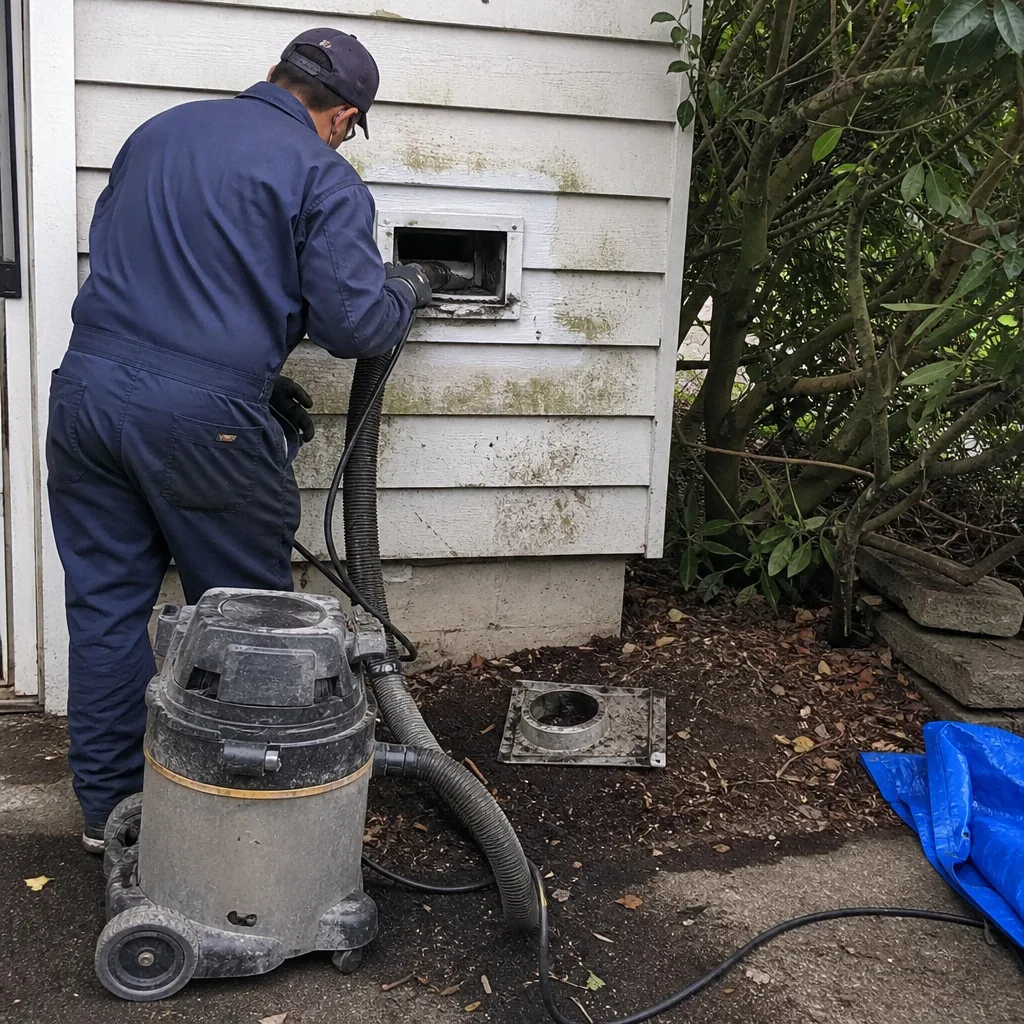 Before
 After
 Before
 After